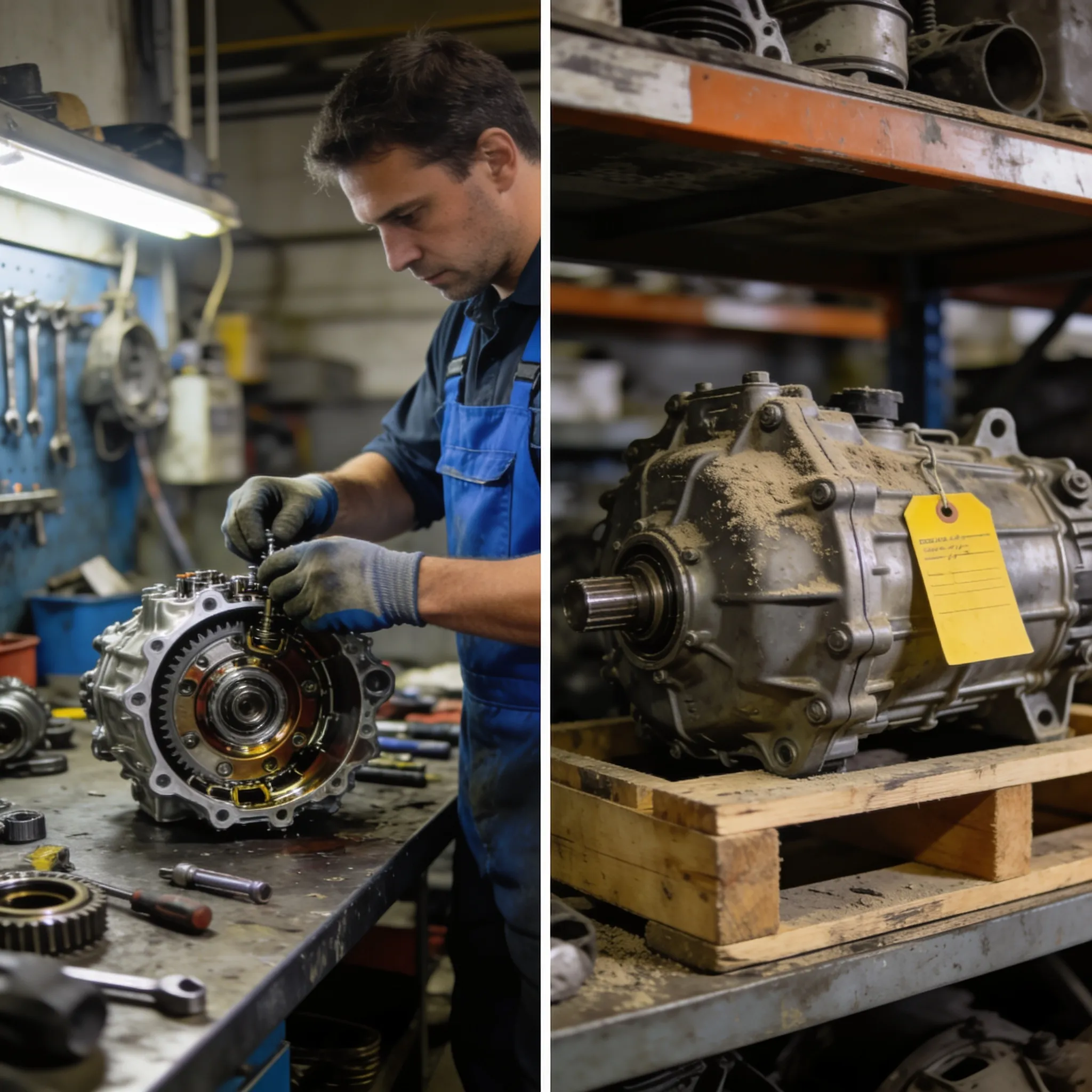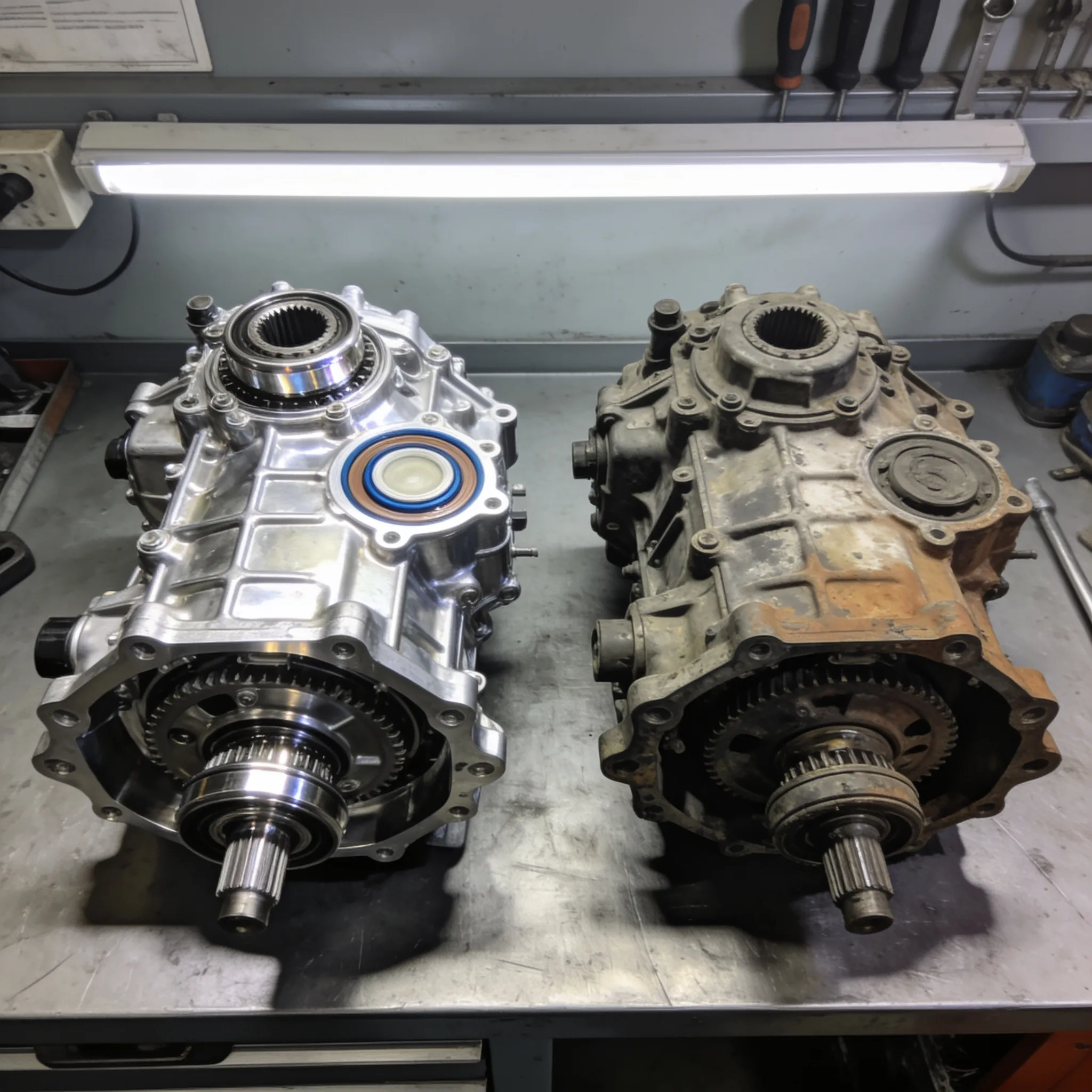
A rebuilt transmission lasts 100,000 to 150,000 miles when done properly. A used transmission lasts 60,000 to 150,000 miles depending on the donor vehicle's mileage and maintenance history. The rebuilt option gives you a more predictable lifespan; the used option gives you a lower per-mile cost if it reaches even half its potential.
Neither option is universally better. The right choice depends on how long you plan to keep the vehicle, how much the transmission costs, and whether predictable longevity or upfront savings matter more to you.
- Rebuilt: 100k–150k miles with all wear components replaced, 1–3 year warranty
- Used: 60k–150k miles remaining, depends entirely on donor vehicle mileage
- Cost per mile: used wins at $0.013/mile vs rebuilt at $0.020/mile (at median pricing)
- Rebuilt is more predictable; used has wider variance but lower entry cost
- Maintenance after install is identical for both — same fluid, same intervals
Lifespan Comparison
| Factor | Rebuilt | Used (Grade A) | Used (Grade B) |
|---|---|---|---|
| Expected life | 100k–150k miles | 100k–150k miles | 60k–100k miles |
| Warranty | 1–3 years | 60–90 days | 30–60 days |
| Wear parts status | All new | Unknown | Unknown |
| Hard parts status | Inspected/reused | Original | Original |
| Variance | Low | Medium | High |
What Affects Rebuilt Transmission Life
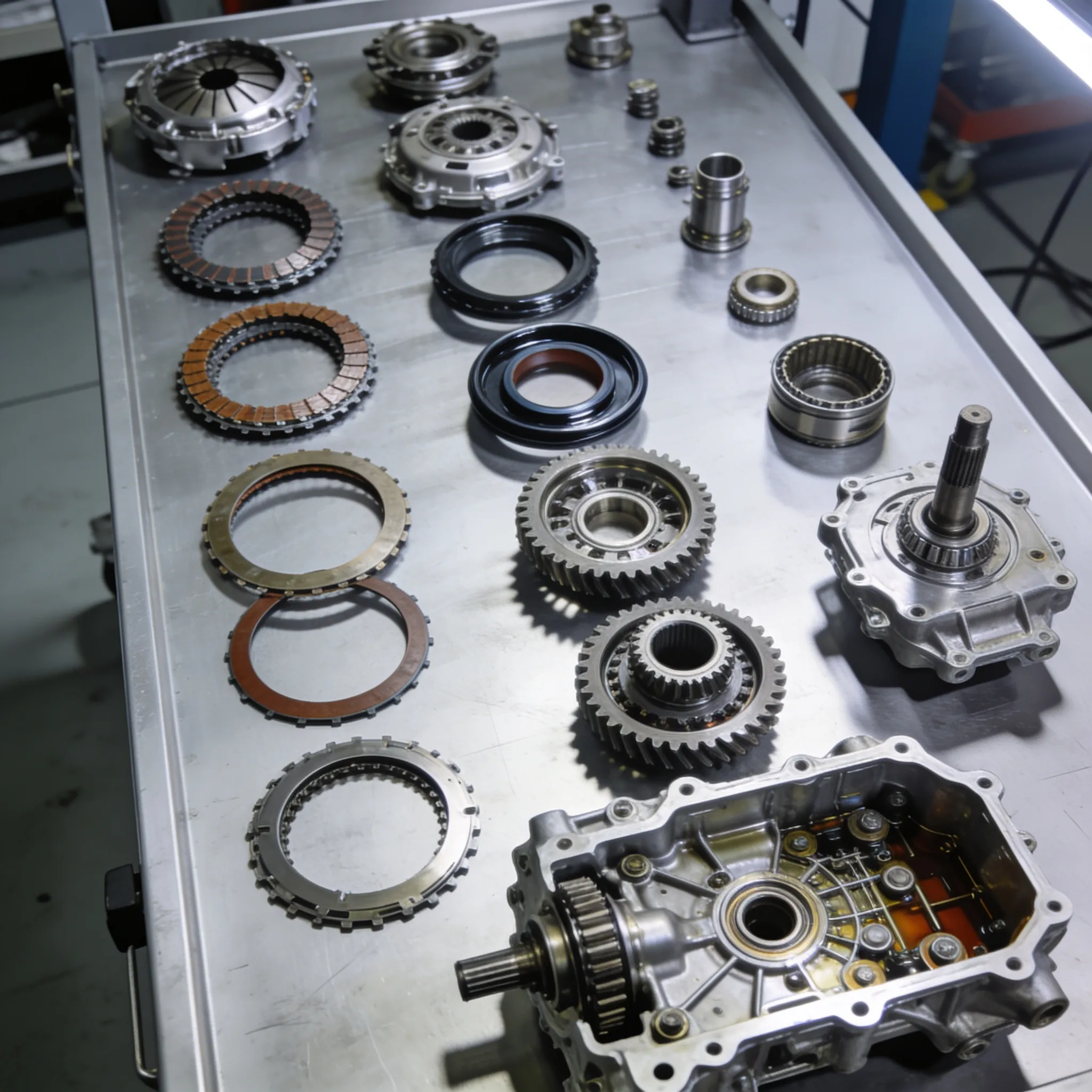
Quality of the rebuild kit. Premium rebuild kits from Raybestos, Alto, or Sonnax use OEM-spec friction materials and upgraded seals. Budget kits use lower-quality clutch packs that wear faster. The difference in kit cost is $200 to $500, small compared to the $1,800+ total rebuild cost, but it determines whether the transmission lasts 30,000 or 150,000 miles.
Shop expertise. A dedicated transmission shop that rebuilds the same transmission types daily produces better results than a general repair shop doing an occasional rebuild. Ask how many of your specific transmission type the shop has rebuilt in the past year.
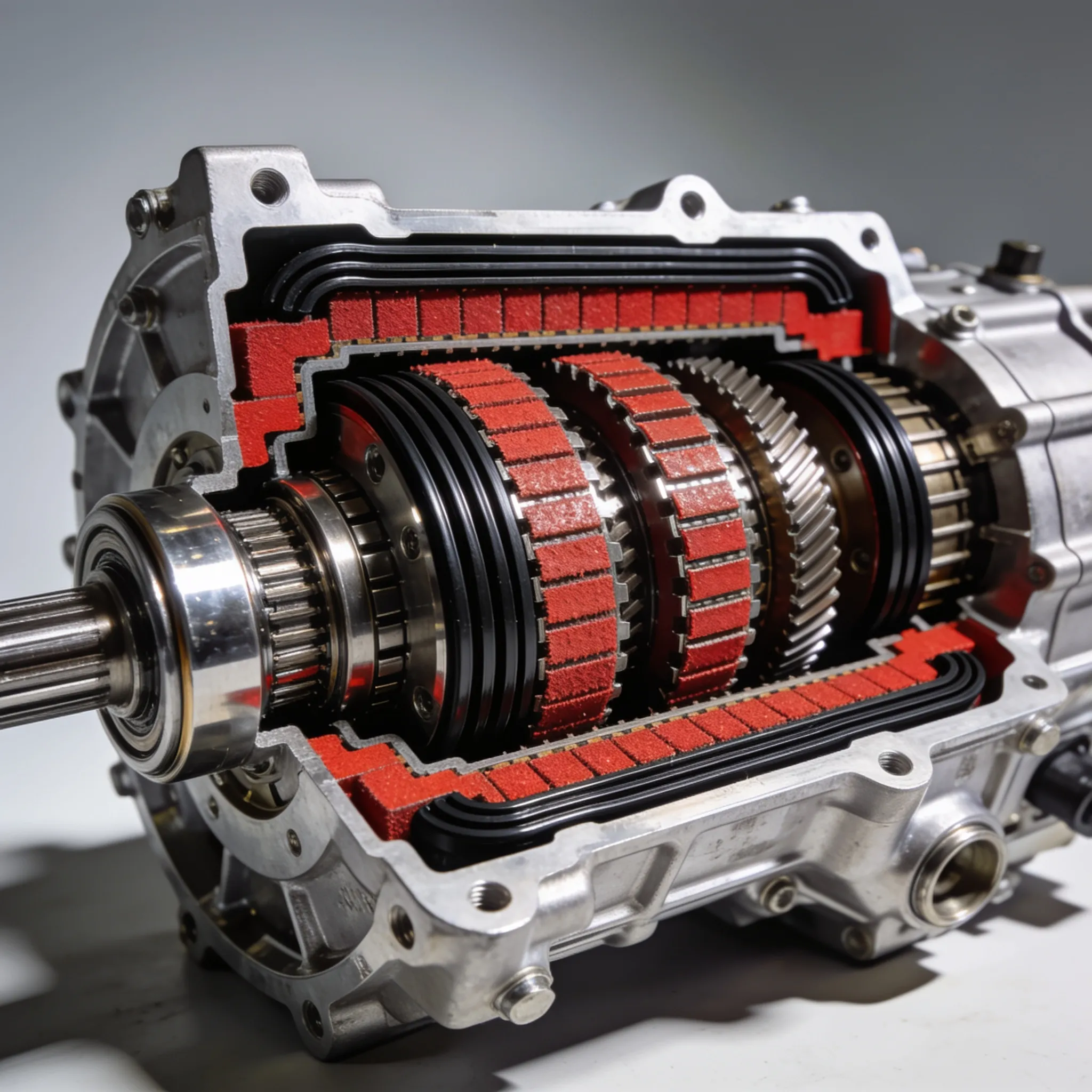
Hard part condition. The rebuild replaces all friction and sealing components, but the case, planetary gear sets, sun gears, and pump housing are reused. If these show wear or scoring, they should be machined or replaced, but not every shop takes this step. Ask whether hard part inspection is included.
Torque converter. A rebuilt transmission should include a rebuilt or new torque converter. A "rebuild" that reuses the original torque converter is cutting corners; contaminated fluid from the old converter will damage new friction materials within 20,000 miles.
What Affects Used Transmission Life
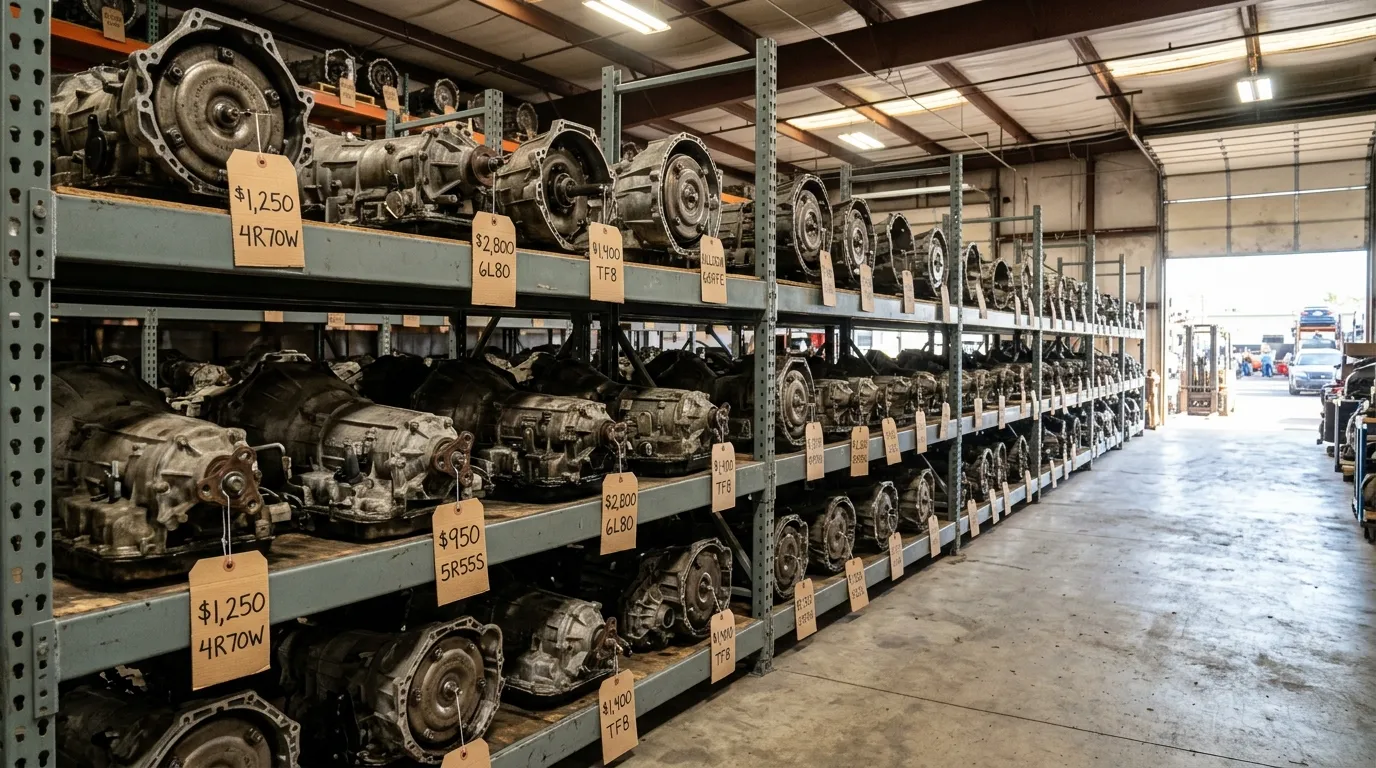
Donor vehicle mileage. This is the single biggest factor. A transmission from a 50,000-mile vehicle has 150,000+ miles of potential life remaining. One from a 180,000-mile vehicle may only have 20,000 to 40,000 miles left. Always ask the salvage yard for mileage documentation.
Why the donor was totaled. Transmissions from front-end collision vehicles are generally fine because the impact didn't reach the transmission. Rear-end collisions on rear-wheel-drive vehicles can damage the transmission output shaft. Flood vehicles should be avoided entirely; water contamination destroys clutch packs and bearings rapidly.
Grade matters. Our data shows graded transmissions carry clear quality signals:
| Grade | Median Price | What It Means |
|---|---|---|
| A (Best) | $1,298 | Low mileage, tested, inspected |
| B (Mid) | $1,136 | Mid mileage, functional |
| C (Lower) | $750 | Higher mileage, limited warranty |
| X (Ungraded) | $1,300 | Quality unknown |
Fluid condition at removal. If the salvage yard can show you the fluid sample, dark brown or burnt-smelling fluid indicates overheating damage. Clean, red-to-light-brown fluid suggests the transmission was maintained.
Cost Per Mile Analysis
This is where used transmissions win on paper:
| Option | Total Cost | Expected Miles | Cost Per Mile |
|---|---|---|---|
| Rebuilt | $2,500 avg | 125k miles | $0.020 |
| Used (Grade A) + labor | $1,298 + $800 = $2,098 | 125k miles | $0.017 |
| Used (Grade B) + labor | $1,136 + $800 = $1,936 | 80k miles | $0.024 |
| Used (median) + labor | $1,254 + $800 = $2,054 | 100k miles | $0.021 |
Grade B used transmissions have the highest cost per mile because they combine moderate pricing with shorter expected life. Counterintuitively, spending more for Grade A used or a rebuild delivers better value than the "budget" Grade B option.
For specific models, the math varies significantly. A Ram 1500 used transmission at $600 plus $800 labor equals $1,400. At 100,000 miles, that's $0.014 per mile. No rebuild can compete at that price point. Check your model on our transmission price index.
Maintenance After Installation
Both rebuilt and used transmissions need the same maintenance:
Immediate (first 500 miles): Change the transmission fluid after the first 500 miles of driving. Both rebuilt and used transmissions shed break-in debris that should be flushed before it circulates.
Regular service (every 30,000 miles): Full fluid and filter change. Use the manufacturer-specified fluid; transmissions aren't tolerant of wrong fluid types. This is the single most important maintenance item for longevity.
At 60,000 miles: Have the transmission pan dropped and inspected. Look for metal shavings or unusual debris that indicate internal wear beginning. Catching problems early can extend life significantly.
The rebuild timeline guide covers what happens during a rebuild. The rebuild vs used cost guide covers the full financial decision framework.