Alternator price snapshot
- Low
- $50
- Average
- $109
- High
- $228
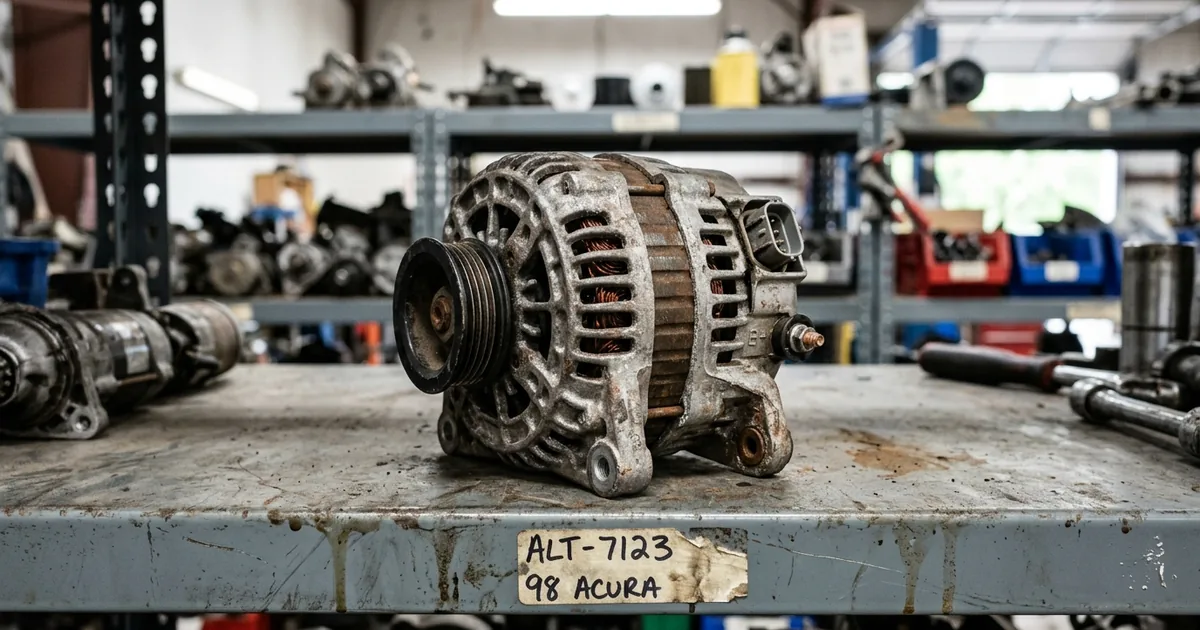
Part price guide
A used alternator costs $50 to $228, with a median asking price of $100. Based on price data across 90 vehicle-specific guides. Prices exclude shipping, core charges, and installation.
Condition comparison
| Grade | Price range | Relative range | Listings |
|---|---|---|---|
| Grade AClean / low wear | $50–$228 | 90 | |
| Grade BStandard used | $60–$248 | 89 | |
| Grade CVisible wear | $15–$249 | 65 | |
| Grade XUngraded | $40–$241 | 90 |
Median by grade
Median asking price by seller-reported condition grade · $50–$228 overall range
Vehicle-specific reference
90 of 90 guides currently priced
Compare by vehicle
Keep comparing
Common questions
Across 90 vehicle-specific guides with current pricing, used alternator guide medians run from $50 to $228, with a typical median of $100. Condition grade, mileage, and fitment move the price within that range.
Usually, yes. Buying a used alternator from a salvage yard or auto recycler typically costs a fraction of the new alternator replacement cost at a dealership. Compare the grade-level medians above against any replacement quote you've received, and remember our figures exclude shipping and installation labor.
Salvage yards, junkyards, pick-and-pull lots, and online used parts marketplaces all sell used alternators. Our index tracks asking prices nationally, so you can benchmark a local quote against the market range before you buy.
Expect to pay toward the upper half of the $50–$228 range for a grade-A alternator with low mileage. Check the grade table above for the current grade-level medians, and confirm whether shipping and any core charge are included in the quote.
They can be — condition grade is the key. Grade A parts come off low-mileage vehicles with little to no damage, grade B is average, and grade C or ungraded parts are the gamble. Buy grade A or B from a yard that offers a return window or warranty, and confirm the mileage of the donor vehicle before paying. The grade-level medians above show what each tier should cost.
No — both charge the battery and power the electrical system while the engine runs, but they work differently. An alternator produces AC current that's rectified to DC internally, and it's what virtually every vehicle built since the 1960s uses; a true generator produces DC current directly and was standard on older vehicles before alternators took over. "Generator" is sometimes used informally today to mean alternator, but true generators are functionally obsolete on modern vehicles — confirm which charging system your vehicle actually has before assuming the terms are interchangeable.