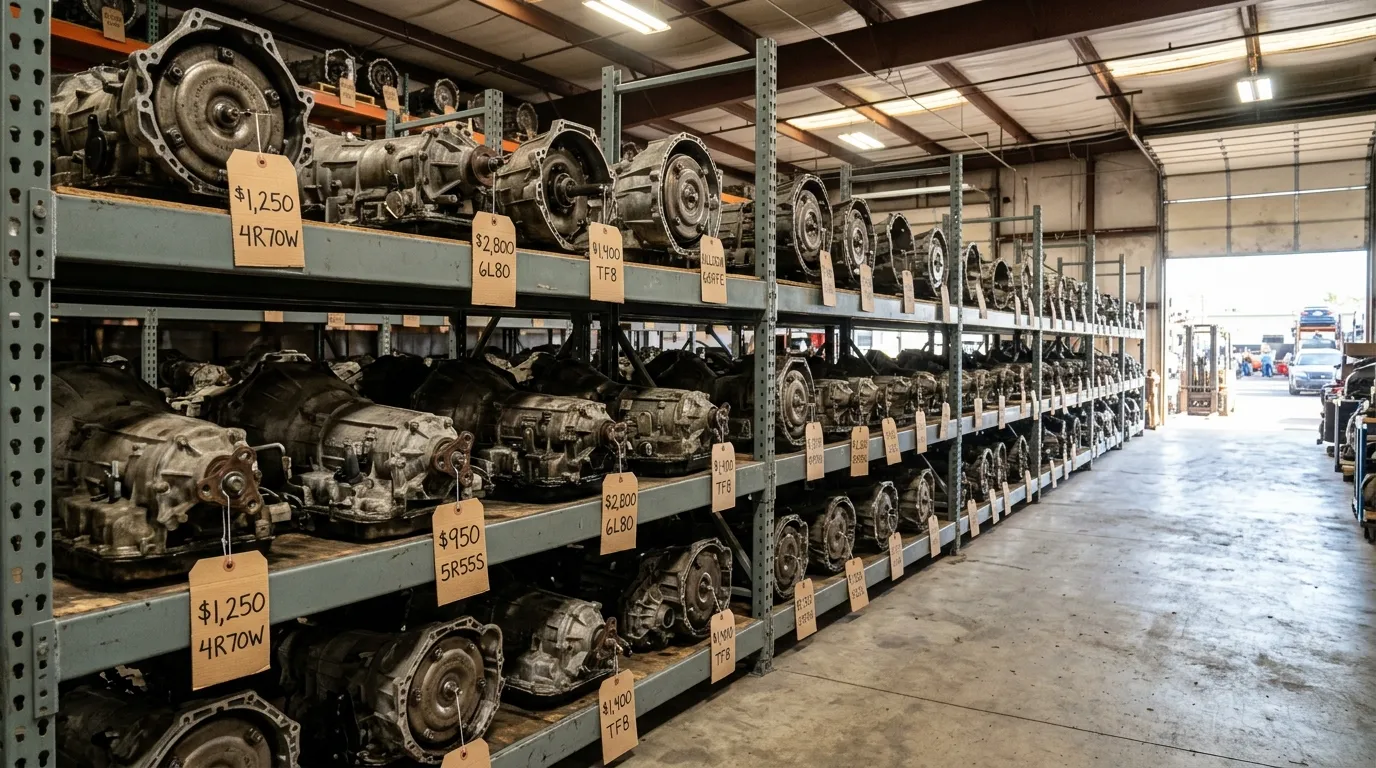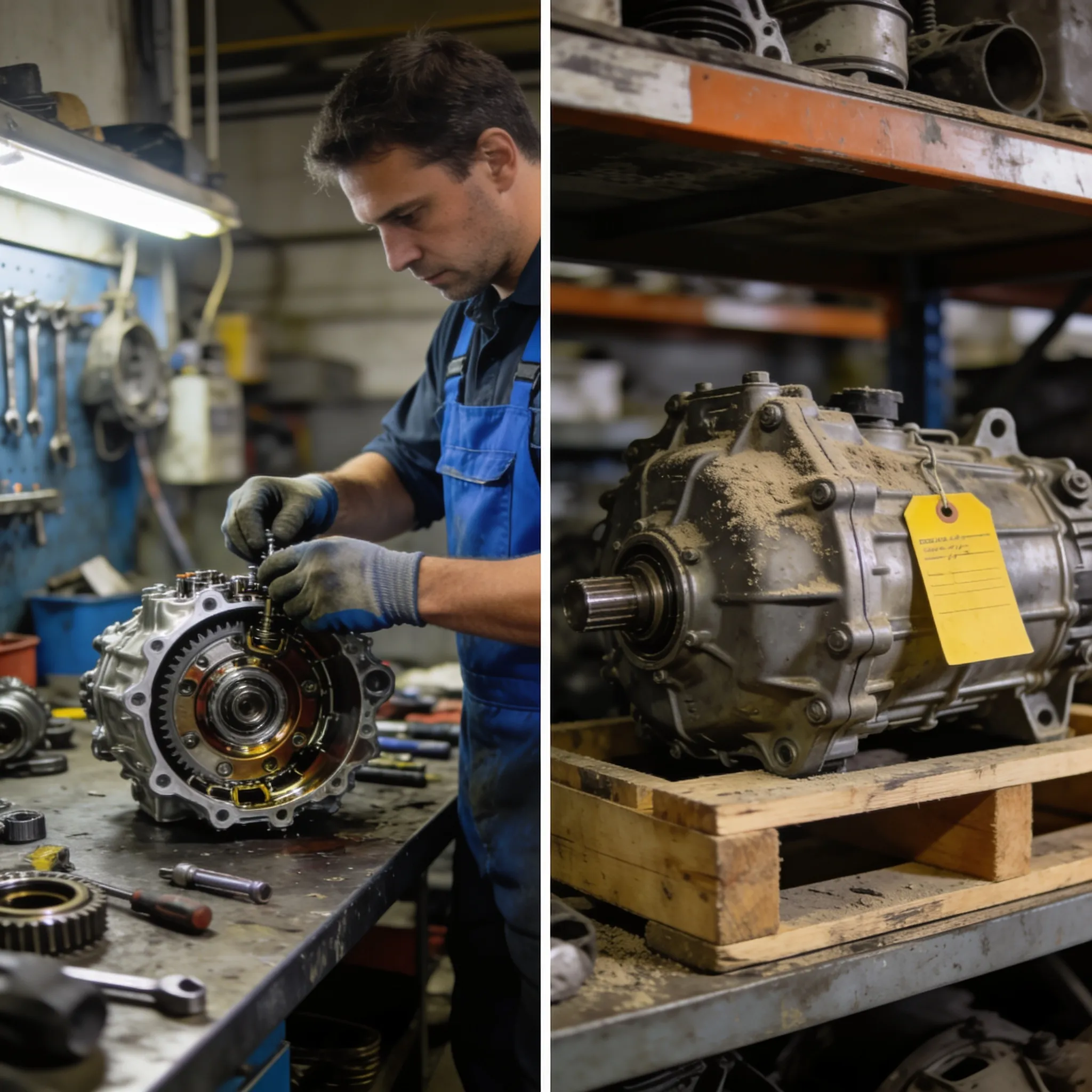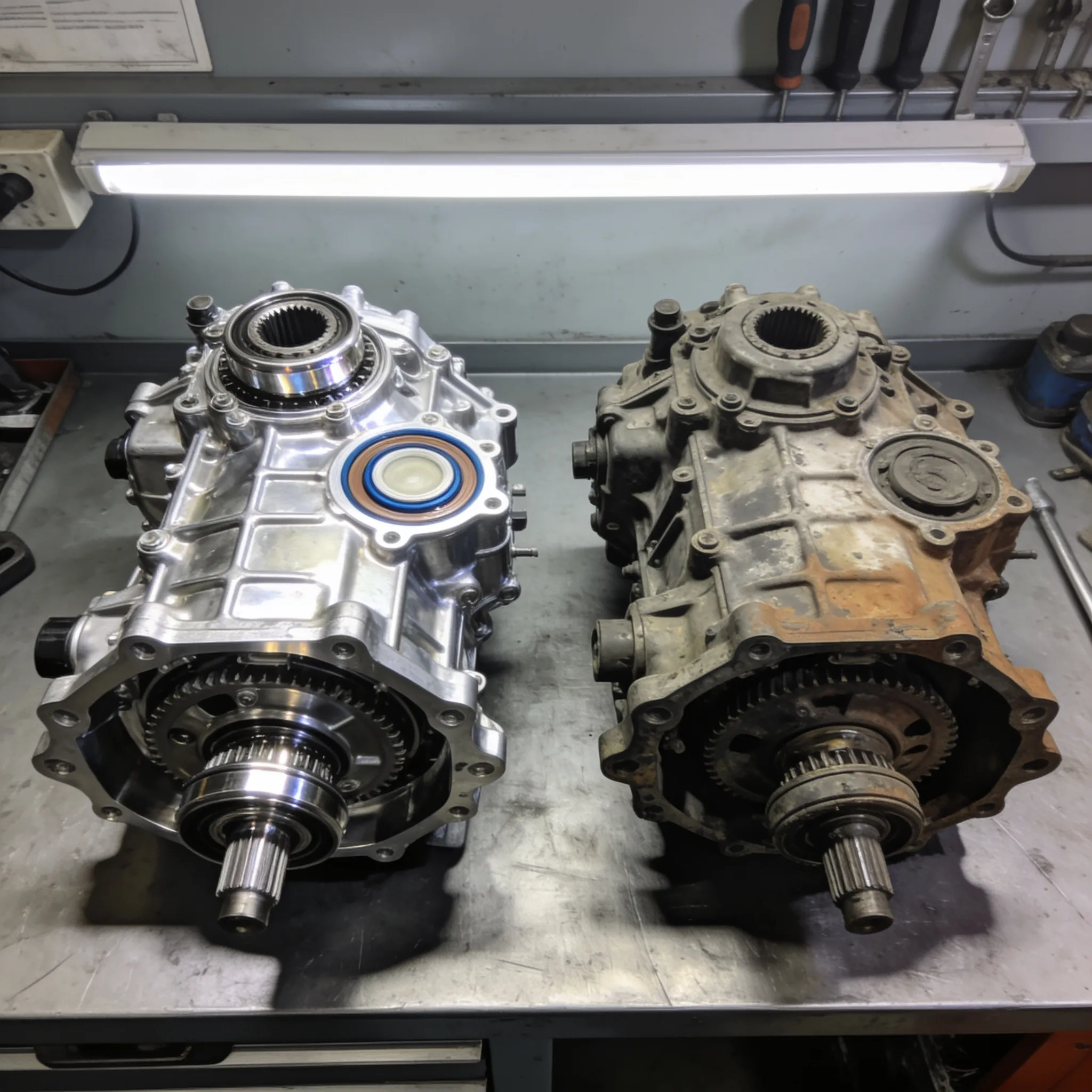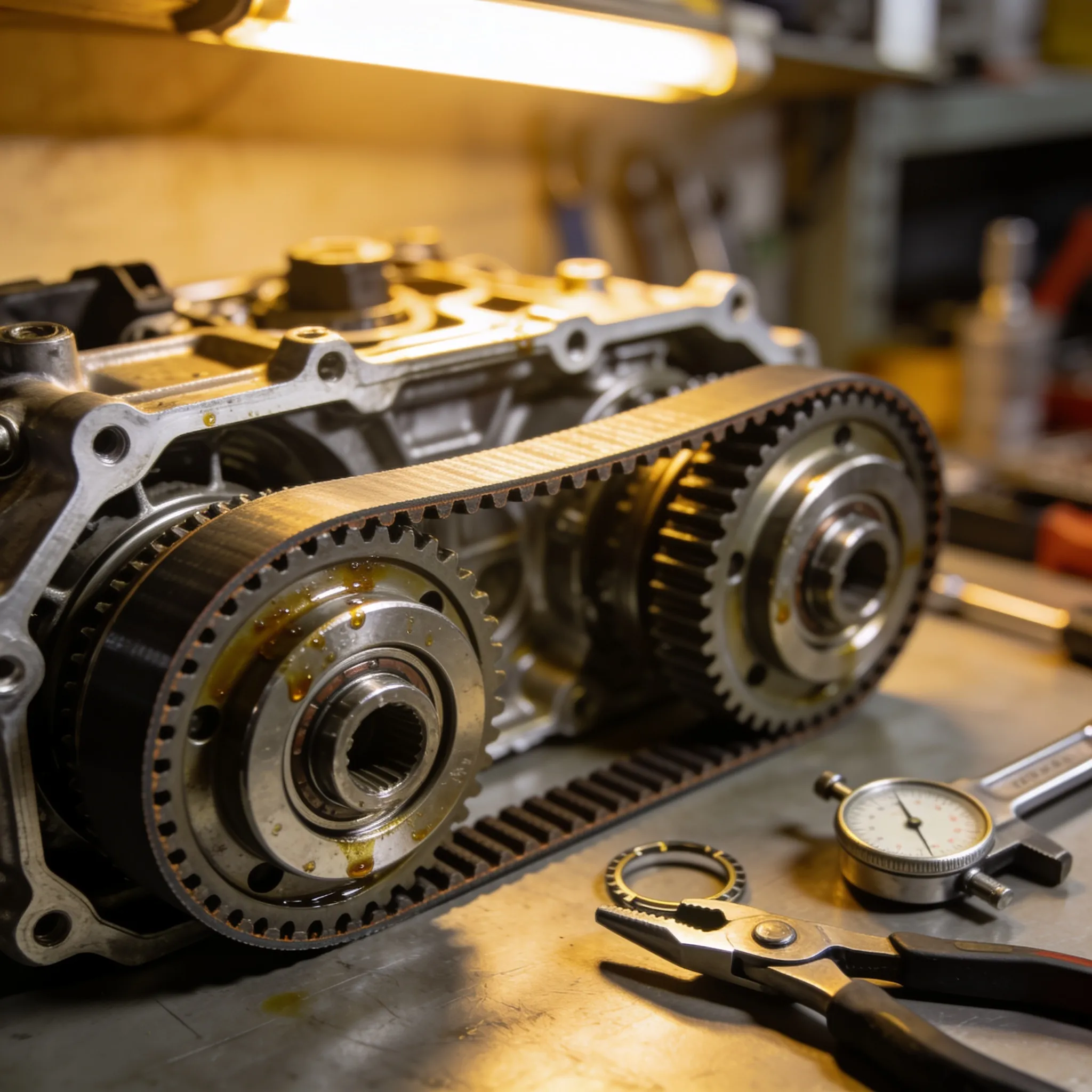
Yes, CVT transmissions can be rebuilt, but fewer than 20 percent of transmission shops will do it because the work requires specialized tooling that most shops don't own. Expect to pay $2,500 to $5,000 for a CVT rebuild and wait 2 to 4 weeks, compared to a used CVT at $748 to $1,654 median that can be swapped in 1 to 2 days.
The CVT rebuild market is fundamentally different from conventional automatics. With a standard automatic, any decent transmission shop can rebuild it. With a CVT, your options are a handful of specialists, the dealership, or a used replacement from a salvage yard. For most CVT owners, used is the practical choice.
- CVT rebuild: $2,500–$5,000: few shops offer it, 2–4 week turnaround
- Used CVT: $748–$1,654 median depending on model, installed in 1–2 days
- Nissan CVTs are the most commonly rebuilt (most rebuild kit availability)
- Design-flaw risk: rebuilding a CVT with a known defect may just reset the failure clock
- The 60% rule applies: if repair exceeds 60% of vehicle value, buy used
Can a CVT Be Rebuilt?
Technically, yes. A skilled technician can disassemble a CVT, replace the steel belt or chain, resurface or replace the variator pulleys, rebuild the hydraulic control unit, and reassemble it. The process is similar to a conventional automatic rebuild in concept but different in execution.
Why most shops won't do it:
- Proprietary tooling. The variator pulleys require specific clamping fixtures and measurement tools that cost $5,000 to $15,000 per CVT platform. A shop needs different tooling for Nissan, Honda, and Subaru CVTs.
- Belt/chain sourcing. The steel push belt (Jatco/Nissan) or chain (Honda, Subaru) is the most critical component. Aftermarket options are limited. OEM belts must be ordered from the manufacturer, adding lead time.
- Calibration requirements. After reassembly, the CVT's electronic control unit may need factory-level reprogramming to recalibrate ratio ranges and line pressure tables. Not every shop has the diagnostic software.
- Liability. CVTs have higher comeback rates than conventional rebuilds. Many shops avoid CVT work entirely to protect their warranty track record.
CVT Rebuild Cost
| CVT Type | Rebuild Cost | Timeline | Kit Availability |
|---|---|---|---|
| Nissan/Jatco (JF015E, JF017E) | $2,500–$3,500 | 2–3 weeks | Good |
| Honda (multiple platforms) | $3,000–$4,500 | 3–4 weeks | Limited |
| Subaru (Lineartronic TR580/690) | $3,500–$5,000 | 3–4 weeks | Limited |
| Toyota/Aisin (K-series) | $3,000–$4,000 | 2–3 weeks | Moderate |
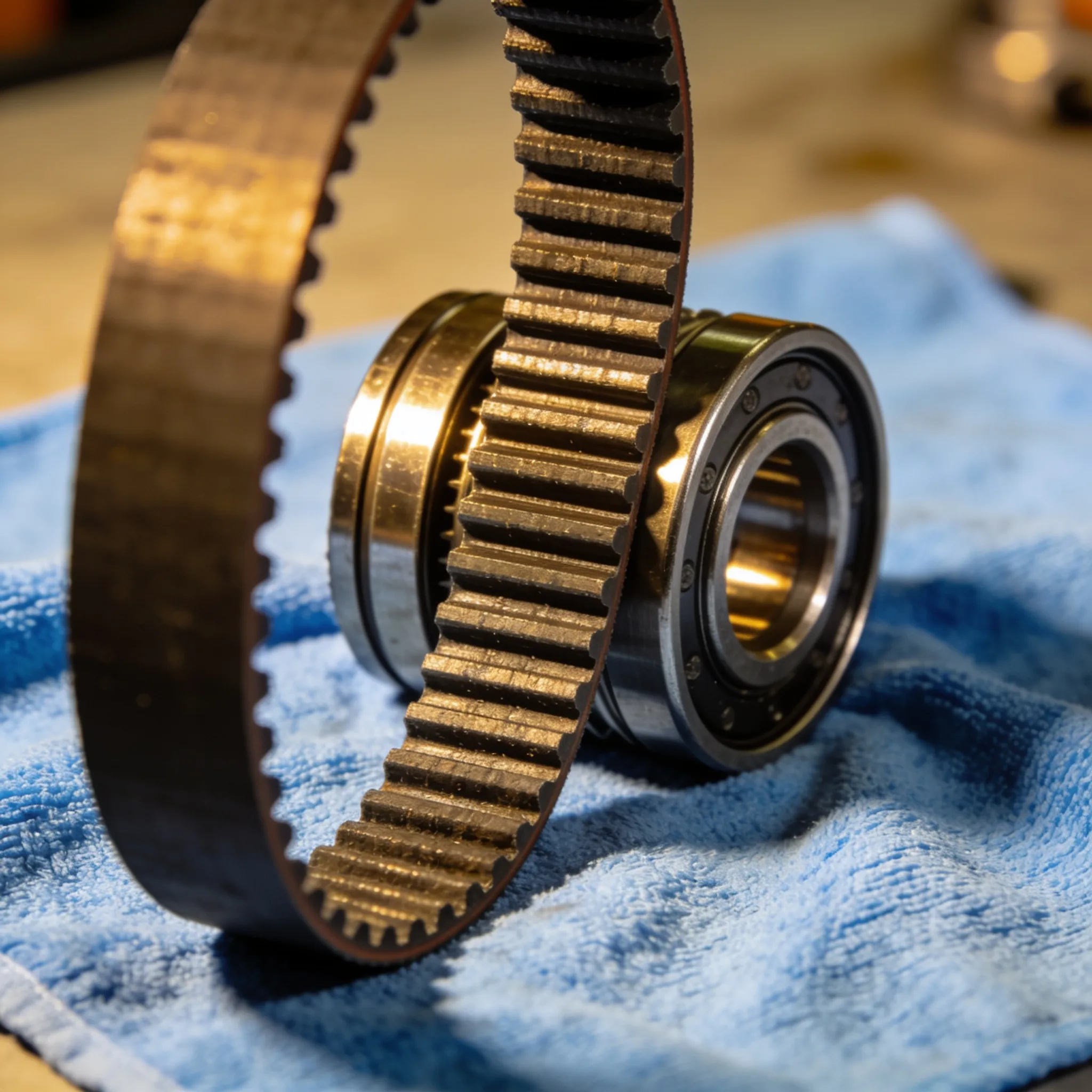
Used CVT as the Alternative
Our pricing data shows used CVTs are substantially cheaper than rebuilds for every model we track:
| Vehicle | Used Median | Used Listings | Rebuild Cost | Savings |
|---|---|---|---|---|
| Honda CRV | $748 | 600 | $3,500 | $2,752 (79%) |
| Nissan Pathfinder | $1,654 | 756 | $3,000 | $1,346 (45%) |
| Hyundai Elantra | $1,254 | 634 | $3,000 | $1,746 (58%) |
The used CVT approach has one unique risk: design-flaw inheritance. If your CVT failed because of a known design defect (common in 2012–2017 Nissan models with the Jatco JF015E), a used CVT from the same generation may have the same defect waiting to surface. A rebuild with updated components could theoretically address the root cause, but only if the rebuilder specifically upgrades the weak point.
For sourcing used CVTs, start with our transmission price index and check local yards before going online.
By Brand — Nissan, Honda, Subaru
Nissan CVTs
Nissan is the largest CVT market. Their Jatco-sourced units (JF015E in small cars, JF017E in SUVs) are the most commonly rebuilt CVTs because:
- Highest failure rate creates demand for rebuild services
- Rebuild kits are the most widely available
- Several aftermarket companies specialize in Jatco rebuilds
Verdict: Rebuild is most viable for Nissan, but check if a used unit from a later production year (with the revised belt) is available. It may have the corrected design.
Honda CVTs
Honda uses its own CVT designs across the Civic, CRV, Accord, and HRV. Honda CVTs are generally more reliable than Nissan's, but when they fail:
- Rebuild parts are harder to source (Honda restricts some components to dealers)
- The CRV CVT at $748 used is so affordable that rebuilding at $3,500 rarely makes sense
- Honda CVTs tend to fail from overheating rather than belt wear, which means the root cause may be inadequate cooling, and a rebuild without addressing cooling doesn't fix the underlying problem
Verdict: Buy used for Honda CVTs unless the vehicle is worth over $20,000.
Subaru CVTs
Subaru's Lineartronic CVTs (TR580, TR690) are paired with AWD systems, adding complexity:
- The CVT and AWD system are integrated, so a rebuild must address both
- Rebuild costs trend highest ($3,500–$5,000) because of AWD components
- Subaru CVTs have a known issue with torque converter shudder that must be addressed during rebuild
Verdict: Rebuild only if you have a newer WRX or Outback worth $15,000+. For older models, a used unit is the practical choice.
When to Rebuild vs Replace
Rebuild your CVT when:
- Vehicle value exceeds $15,000
- No used units available (rare model or year)
- The failure is a known issue with an available updated component
- You plan to keep the vehicle 5+ years
- A qualified CVT specialist is within reasonable distance
Replace with used when:
- Vehicle value is under $15,000
- Your model has 100+ listings in our price index (strong supply)
- You need the vehicle back within a week
- Budget is the primary factor
- The CVT failure is a known design issue with no available fix
The broader rebuild vs used decision guide covers the general framework. For CVTs specifically, the balance tips more heavily toward used because of the scarcity of qualified rebuilders and the design-flaw risk.
For how long each option lasts, see our longevity comparison.