A transfer case replacement is worth it when the total repair cost (part plus labor) stays under half your vehicle's current value. With a used transfer case costing $325 median and labor running $600 to $1,000, the typical total of $925 to $1,325 makes the repair worthwhile for any vehicle valued above $3,000 to $5,000.
The harder question is whether you should repair, replace with used, replace with remanufactured, or buy new. That decision depends on what failed, how long you plan to keep the vehicle, and what the part costs for your specific model.
- Total replacement cost with used: $925–$1,325 ($325 median part + $600–$1,000 labor)
- Total with new OEM: $2,000–$5,000+, the part alone runs ~$1,800
- The 50% rule: if total repair exceeds half the vehicle's value, replacement isn't worth it
- Labor is the same regardless of part source, $600 to $1,000 for 4-8 hours of shop time
- Seal and motor repairs ($200-$500) are worth trying first if the internal components are healthy
The Short Answer
Replace the transfer case if all three conditions are true:
- Your vehicle is worth more than twice the total repair cost
- The rest of the drivetrain (transmission, differentials) is in reasonable shape
- You plan to keep the vehicle for at least 2 more years
If any of those conditions fails, the repair may not pencil out.
What Replacement Actually Costs
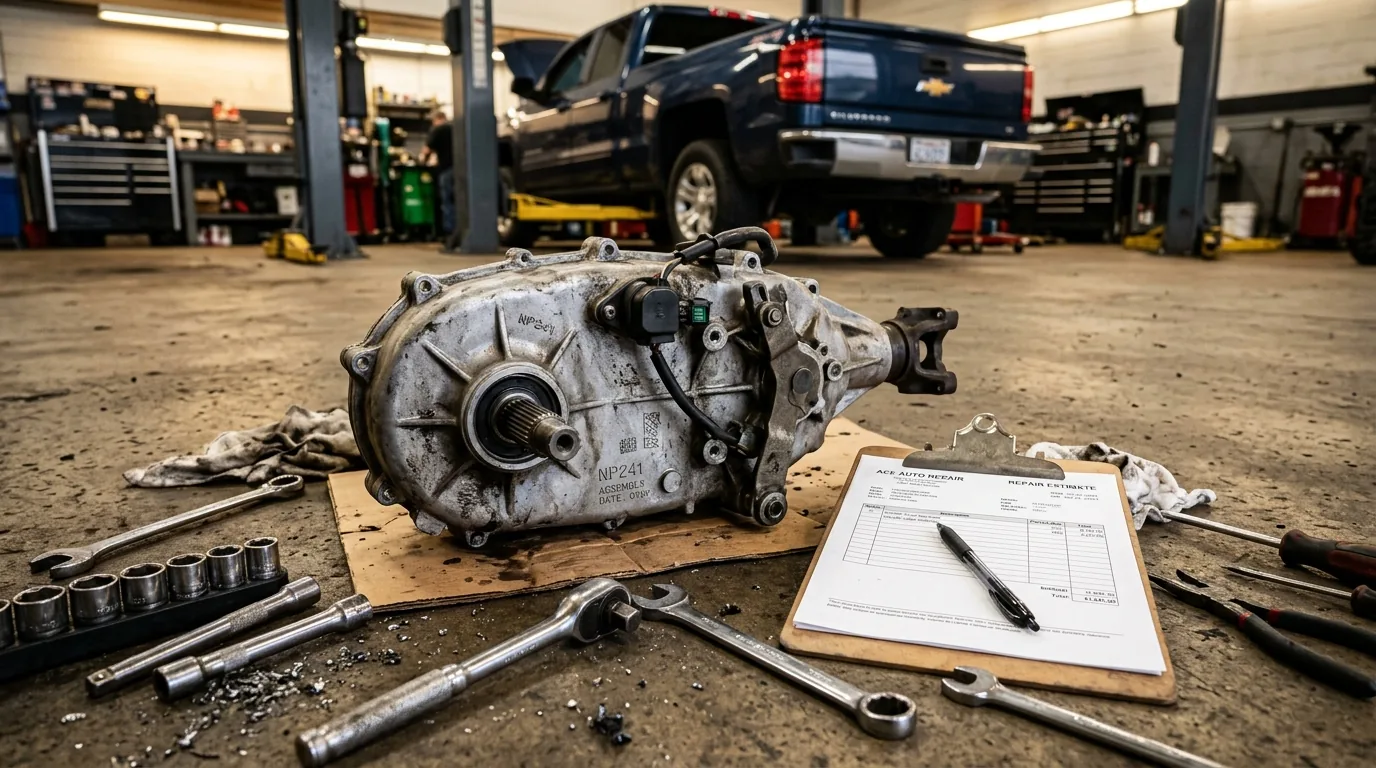
Transfer case replacement has two cost components: the part and the labor. Labor stays roughly the same regardless of what part you install.
| Cost Component | Used | Remanufactured | New OEM |
|---|---|---|---|
| Part cost | $138–$1,720 (median $325) | $600–$2,000 (~$1,000 typical) | $1,000–$2,500 (~$1,800 typical) |
| Labor (4-8 hrs) | $600–$1,000 | $600–$1,000 | $600–$1,000 |
| Total | $738–$2,720 | $1,200–$3,000 | $1,600–$3,500 |
For exact part pricing on your specific vehicle, check our transfer case price lookup.
*Part pricing source: PartPriceGuide.com analysis of 23,929 salvage yard listings, August 2026.*
The 50% Rule
The industry standard decision threshold: if the total repair cost exceeds 50% of your vehicle's current market value, the repair usually isn't worth it.
How to apply it:
- Look up your vehicle's current value (KBB, Edmunds, or recent comparable sales)
- Get a quote for the complete replacement (part + labor + fluids)
- Divide the quote by the vehicle value
If the result is under 0.5 (50%), the replacement makes financial sense. Above that, the money is better spent toward a different vehicle.
This rule has one important exception: if the vehicle has sentimental or utility value that doesn't show up in market price. Cross-check your vehicle's value on NADA Guides for a second data point beyond KBB. A paid-off truck that you use for work might be worth repairing even at 60% of market value, because replacing it costs far more than the repair.
Three Worked Examples
Scenario 1: 2019 Ford F-150 (vehicle value ~$28,000)
- Used transfer case: $325 median
- Labor estimate: $700
- Total repair: $1,025
- Repair-to-value ratio: 3.7%
Verdict: replace it. The repair is under 4% of the vehicle's value. This is the easiest call; use a Grade A used unit and you're back on the road for around $1,000.
Scenario 2: 2018 Jeep Wrangler (vehicle value ~$25,000)
- Used transfer case: $872 median
- Labor estimate: $800
- Total repair: $1,672
- Repair-to-value ratio: 6.7%
Verdict: replace it. Even at $872 for the part, the total is well under 50%. Wrangler transfer cases are expensive because of off-road demand, but the vehicle holds its value well enough to justify it.
Scenario 3: 2018 Ford Escape (vehicle value ~$12,000)
- Used transfer case: $203 median
- Labor estimate: $650
- Total repair: $853
- Repair-to-value ratio: 7.1%
Verdict: replace it. The Escape's AWD transfer case is one of the cheapest in our index at $203 median. Total repair under $900 is a straightforward yes.
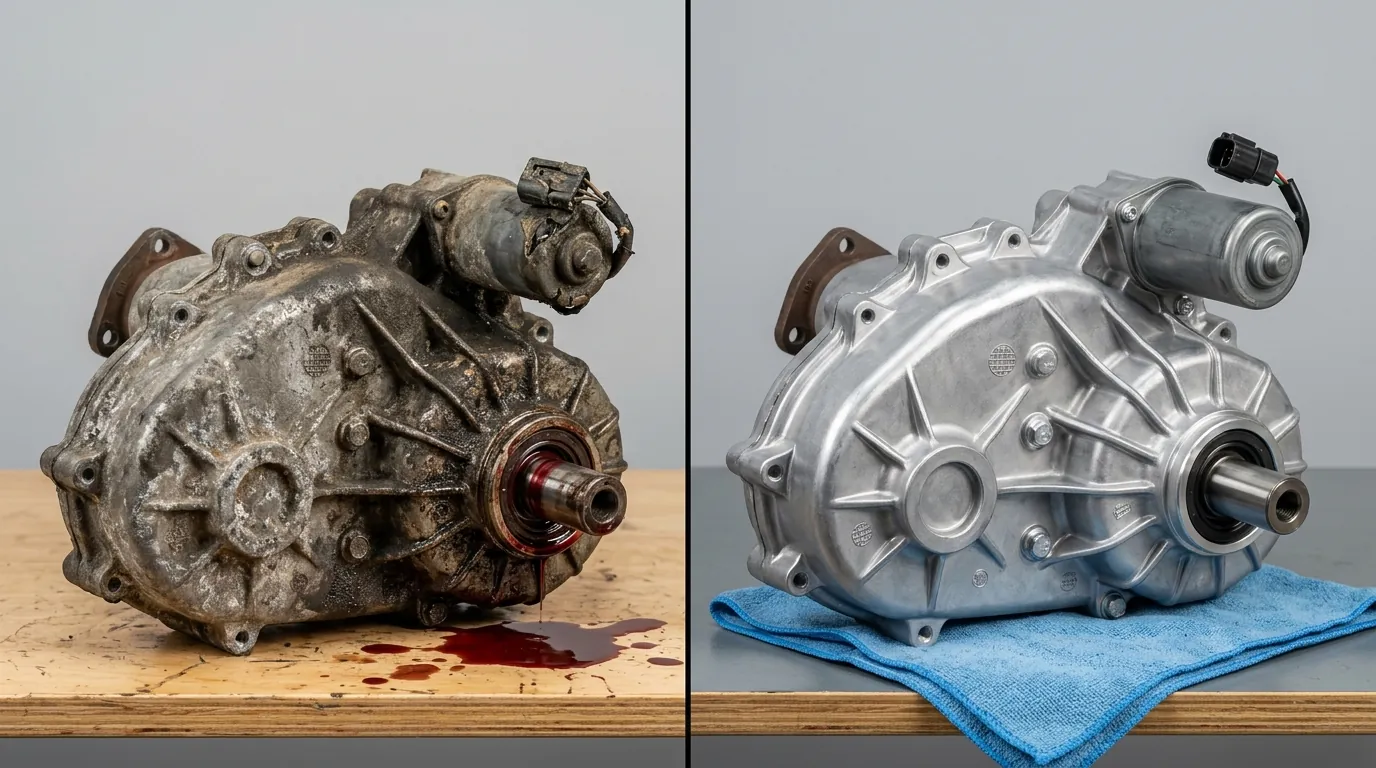
When Repair Beats Replacement
Not every transfer case problem requires a full replacement. Several common failure modes can be fixed for a fraction of the swap cost:
Seal replacement ($200-$500). If the transfer case functions normally but leaks fluid from the input seal, output seals, or case halves, seal replacement is far cheaper than swapping the entire unit. This is a 2-3 hour job.
Shift motor replacement ($150-$400). Electronic transfer cases can fail to engage because the shift motor or encoder ring malfunctions. The motor bolts to the outside of the case and can be replaced independently.
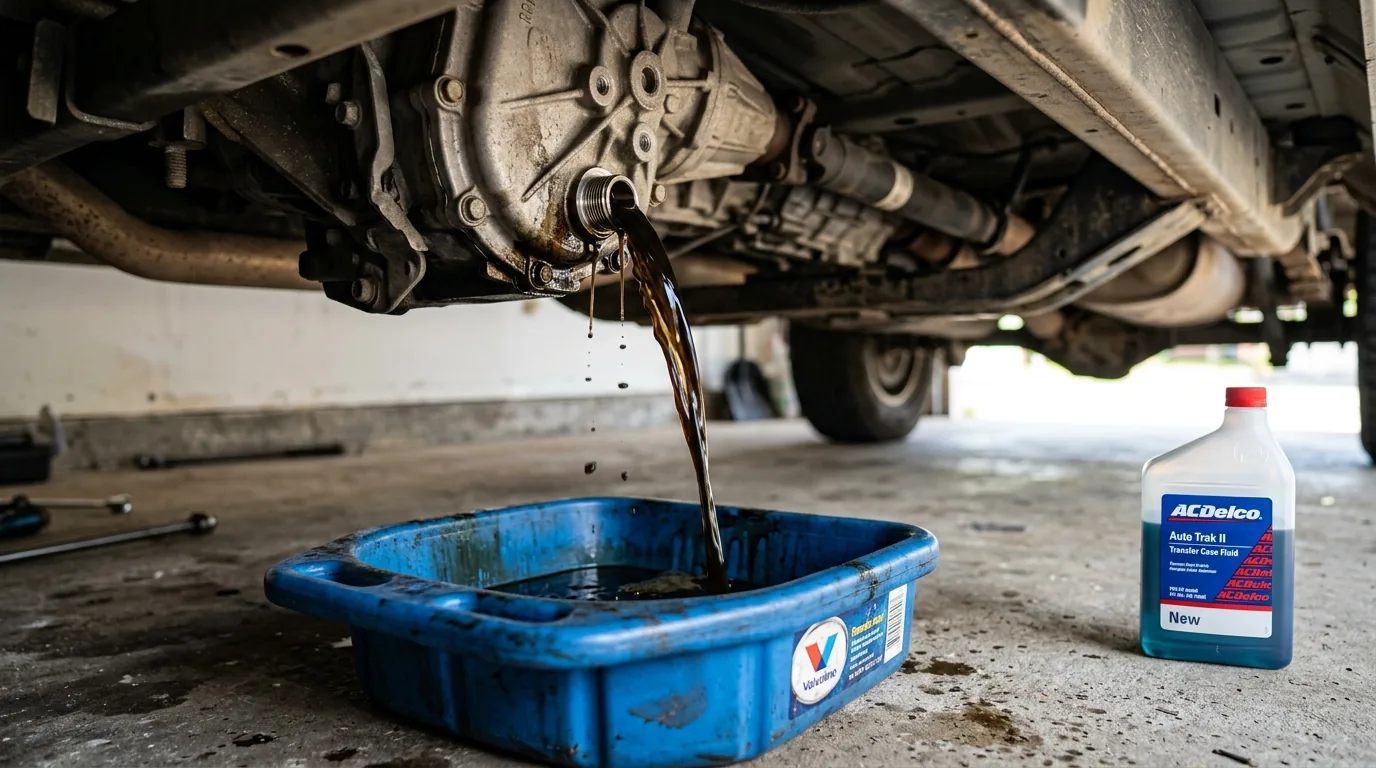
Fluid change ($100-$200). If the transfer case is noisy or shifts roughly but hasn't progressed to grinding or slipping, a fluid change sometimes resolves the issue. Transfer case fluid breaks down over time and loses its ability to protect the chain and gears. Check our transfer case fluid change cost guide for details.
When replacement is the better choice: grinding noises, complete failure to engage 4WD, metal debris in the fluid, or a quote from the shop that puts internal repair close to the cost of a used replacement unit.
Used vs Reman vs New — Which to Install
Once you've decided to replace, the next question is which type of replacement unit:
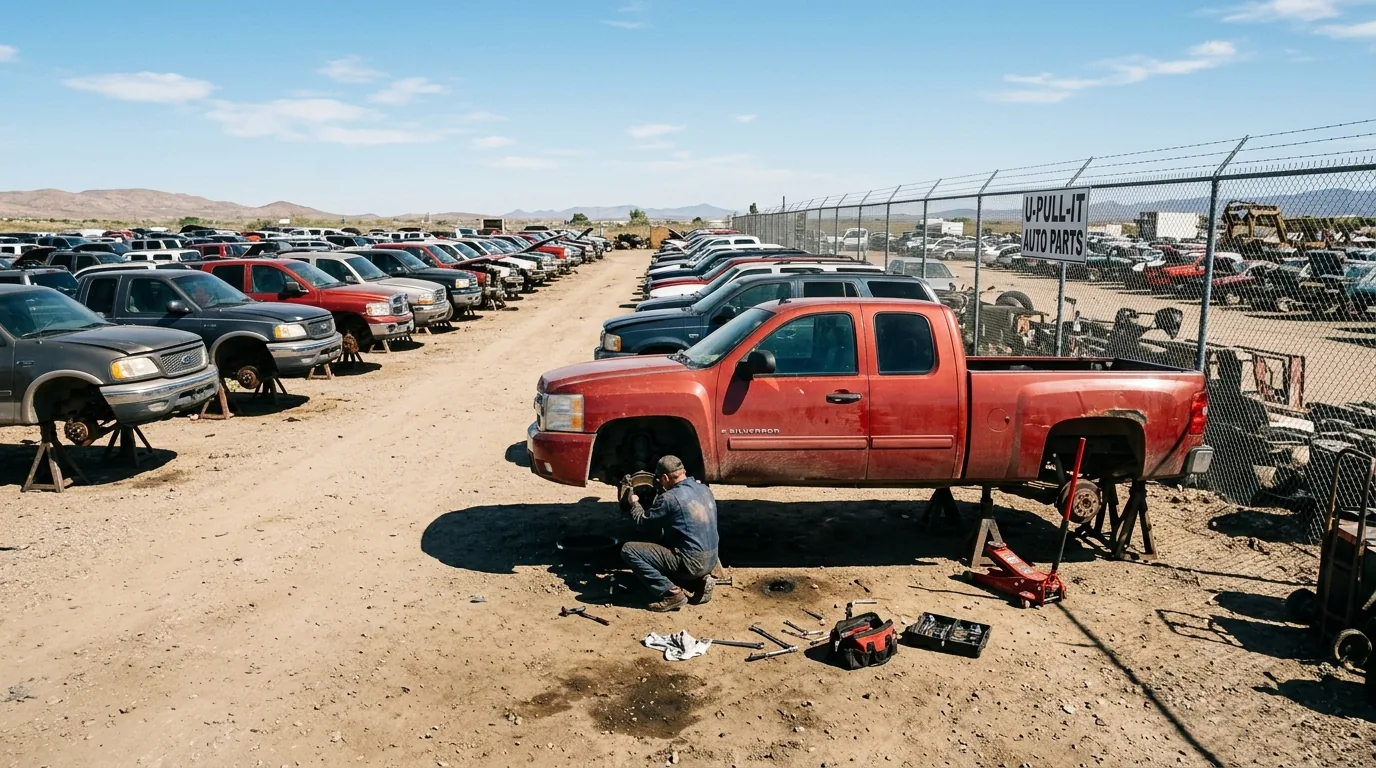
Used ($325 median) is the right call for vehicles valued under $15,000 or when you need the part fast. Salvage yards can have a tested unit ready the same day. The 30-90 day warranty is short, but it covers the installation verification period. Read our junkyard transfer case pricing guide for sourcing tips.
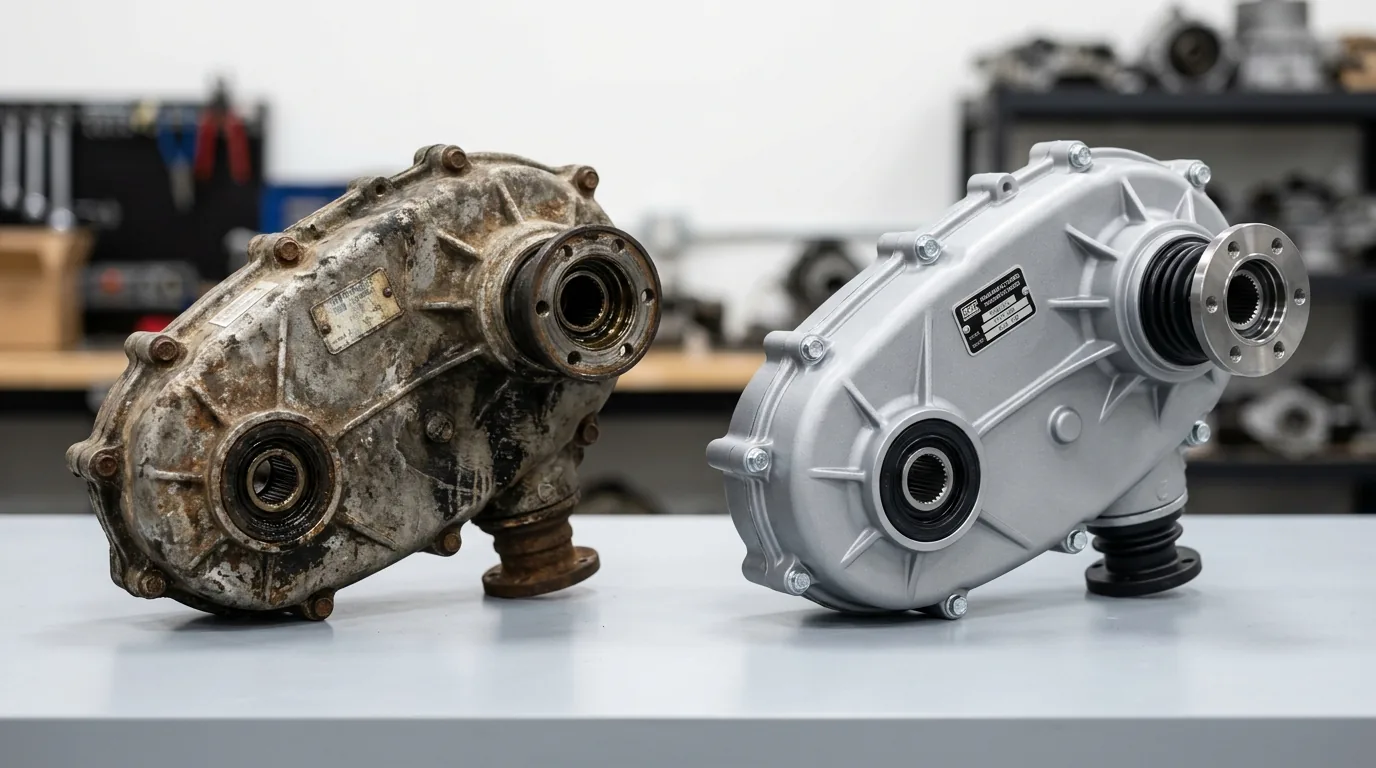
Remanufactured (~$1,000 typical) suits vehicles you plan to keep for 100,000+ more miles. Every internal component is inspected, worn parts are replaced, and you get a 1-3 year warranty. The 3-7 day shipping lead time is the main downside. For a full comparison, see our used vs remanufactured transfer case analysis.
New OEM (~$1,800 typical) rarely makes financial sense for vehicles over 5 years old. The warranty is longer (3+ years), but the cost gap over reman is $800+ for marginal additional lifespan. New makes sense only for newer vehicles still under powertrain warranty or for heavy-duty towing applications where failure has high consequences.