Fuel Pump price snapshot
- Low
- $75
- Average
- $127
- High
- $253
Part price guide
Saurabh Kumar
Co-Founder & CTO, Part Price Guide
Built the pricing pipeline that collects and normalizes used OEM part listings from salvage yards and online marketplaces across the US.
Ambika Sharma
Co-Founder & COO, Part Price Guide
12 years of project management and technical operations experience. Reviews price guides for sample size, fitment accuracy, and data freshness.
Part overview
Across 175 vehicle models, the typical used fuel pump lists for $120, with model-level medians ranging from $75 to $253. Based on 226,604 priced salvage yard listings tracked by PartPriceGuide.
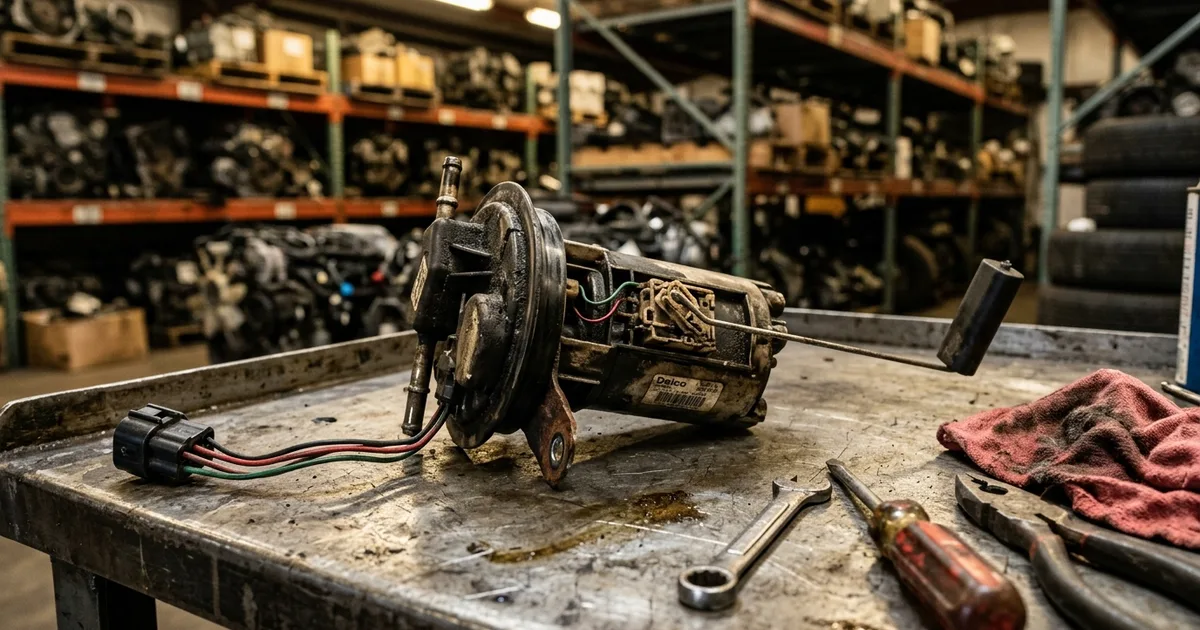
The fuel pump pumps fuel from the gas tank to the engine at high pressure for combustion.
Failing fuel pumps cause engine sputtering at high speeds, hard starting, loud humming from the gas tank, or engine stalling.
A used fuel pump costs $75 to $253, with a median asking price of $120. Based on price data across 175 vehicle-specific guides. Prices exclude shipping, core charges, and installation.
Condition comparison
| Grade | Price range | Relative range | Listings |
|---|---|---|---|
| Grade AClean / low wear | $80–$262 | 175 | |
| Grade BStandard used | $75–$286 | 174 | |
| Grade CVisible wear | $40–$395 | 137 | |
| Grade XUngraded | $50–$355 | 176 |
Median by grade
Median asking price by seller-reported condition grade · $75–$253 overall range
Vehicle-specific reference
175 of 184 guides currently priced
Price data updating
Price data updating
Price data updating
Price data updating
Price data updating
Price data updating
Price data updating
Price data updating
Price data updating
Compare by vehicle
Keep comparing
Common questions
Across 175 vehicle-specific guides with current pricing, used fuel pump guide medians run from $75 to $253, with a typical median of $120. Condition grade, mileage, and fitment move the price within that range.
Usually, yes. Buying a used fuel pump from a salvage yard or auto recycler typically costs a fraction of the new fuel pump replacement cost at a dealership. Compare the grade-level medians above against any replacement quote you've received, and remember our figures exclude shipping and installation labor.
Salvage yards, junkyards, pick-and-pull lots, and online used parts marketplaces all sell used fuel pumps. Our index tracks asking prices nationally, so you can benchmark a local quote against the market range before you buy.
Expect to pay toward the upper half of the $75–$253 range for a grade-A fuel pump with low mileage. Check the grade table above for the current grade-level medians, and confirm whether shipping and any core charge are included in the quote.
They can be — condition grade is the key. Grade A parts come off low-mileage vehicles with little to no damage, grade B is average, and grade C or ungraded parts are the gamble. Buy grade A or B from a yard that offers a return window or warranty, and confirm the mileage of the donor vehicle before paying. The grade-level medians above show what each tier should cost.
Yes. A fuel pump assembly is another name for a fuel pump. Other common names include fuel pump module, electric fuel pump, gas pump, in-tank fuel pump. The prices on this page apply regardless of what it's called in your region or by your mechanic.
The fuel sending unit is the float-and-resistor assembly that measures fuel level and reports it to your gauge; on most modern vehicles it's built into the same in-tank module as the electric fuel pump. If your gauge reads wrong but the engine starts and runs fine, the sending unit alone may be at fault, and some vehicles sell it separately. But on many popular models the pump and sending unit only come as one combined module, so a failure in either one can mean replacing the whole assembly.
The (low-pressure) fuel pump most listings reference is the in-tank or inline pump that moves fuel from the tank to the engine at moderate pressure — what most port-injected gasoline engines use. A high pressure fuel pump is a separate, mechanically or electrically driven pump found on direct-injection gasoline engines and diesels, which further pressurizes fuel to the very high pressures required for direct injection into the cylinder. If your vehicle is direct-injected, confirm which pump actually failed — they're different parts at very different price points.
Inspect the plastic housing and strainer bucket for cracks, check the wiring harness plug for melted pins, and verify that the fuel sender float arm moves smoothly. Ensure the pump unit was pulled from a clean fuel tank and has not been left exposed to moisture or dirt.
A failing fuel pump typically produces a loud whining noise from the gas tank, engine sputtering at high speeds, delayed cranking, or sudden engine stall under load. Loss of fuel pressure prevents the engine from starting or maintaining steady idle speeds.
Buying a used OEM fuel pump module is a reliable, low-cost solution if sourced from a low-mileage donor car and tested for motor resistance. Factory fuel pump assemblies generally outlast cheap aftermarket pumps, which often suffer from noisy motors and inaccurate fuel gauge senders.
Used in-tank fuel pump assemblies almost always include the internal pump motor, fuel strainer, fuel pressure regulator, and level sending unit float. However, you should always install a brand-new rubber tank lock-ring seal to prevent fuel fumes and leaks.
You can verify motor operation by momentarily applying 12-volt battery power and ground to the pump terminals, listening for a smooth electric motor hum. Never run the pump dry for more than a couple of seconds, as fuel acts as both a lubricant and coolant for the motor.
Debris or rust sediment resting at the bottom of a dirty fuel tank will quickly clog the used pump's inlet strainer and destroy its internal impellers. Always clean the fuel tank interior thoroughly and install a new fuel filter when replacing the pump.