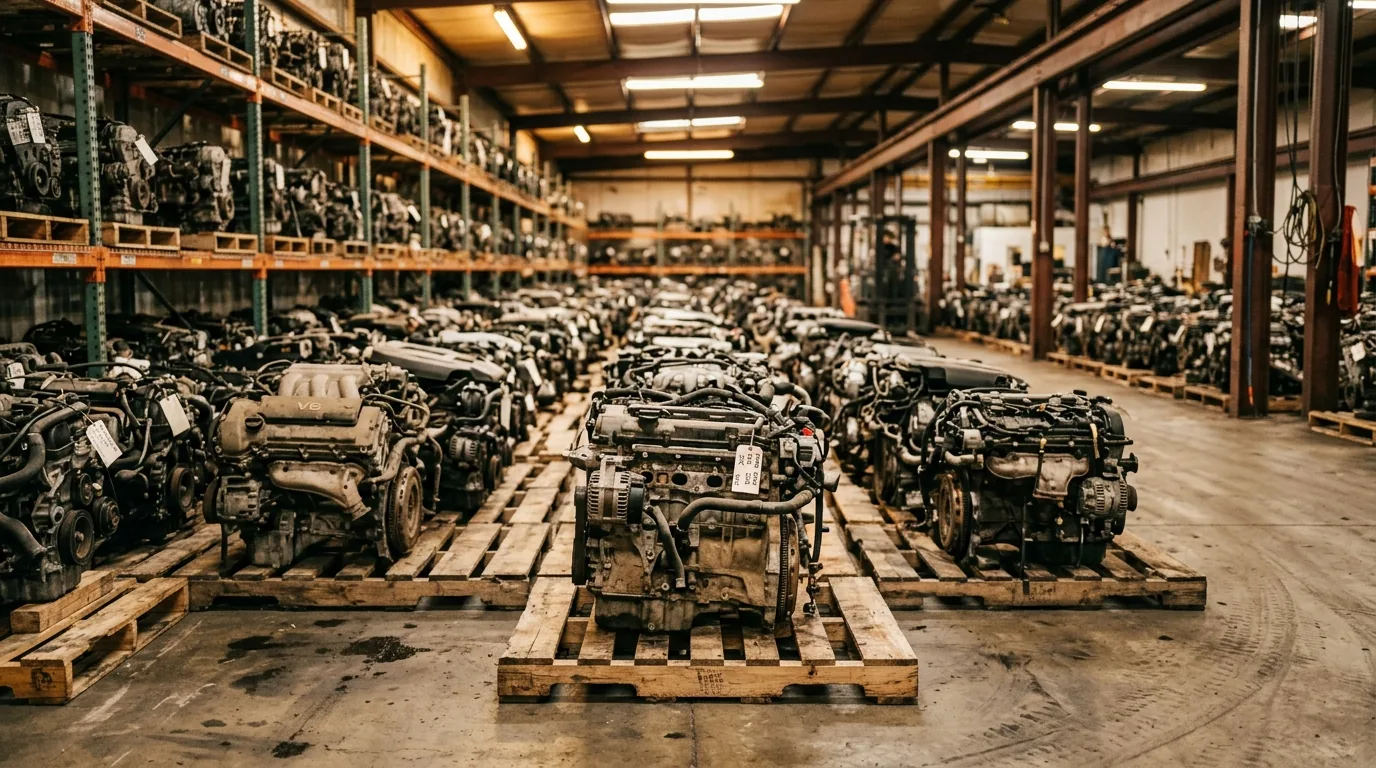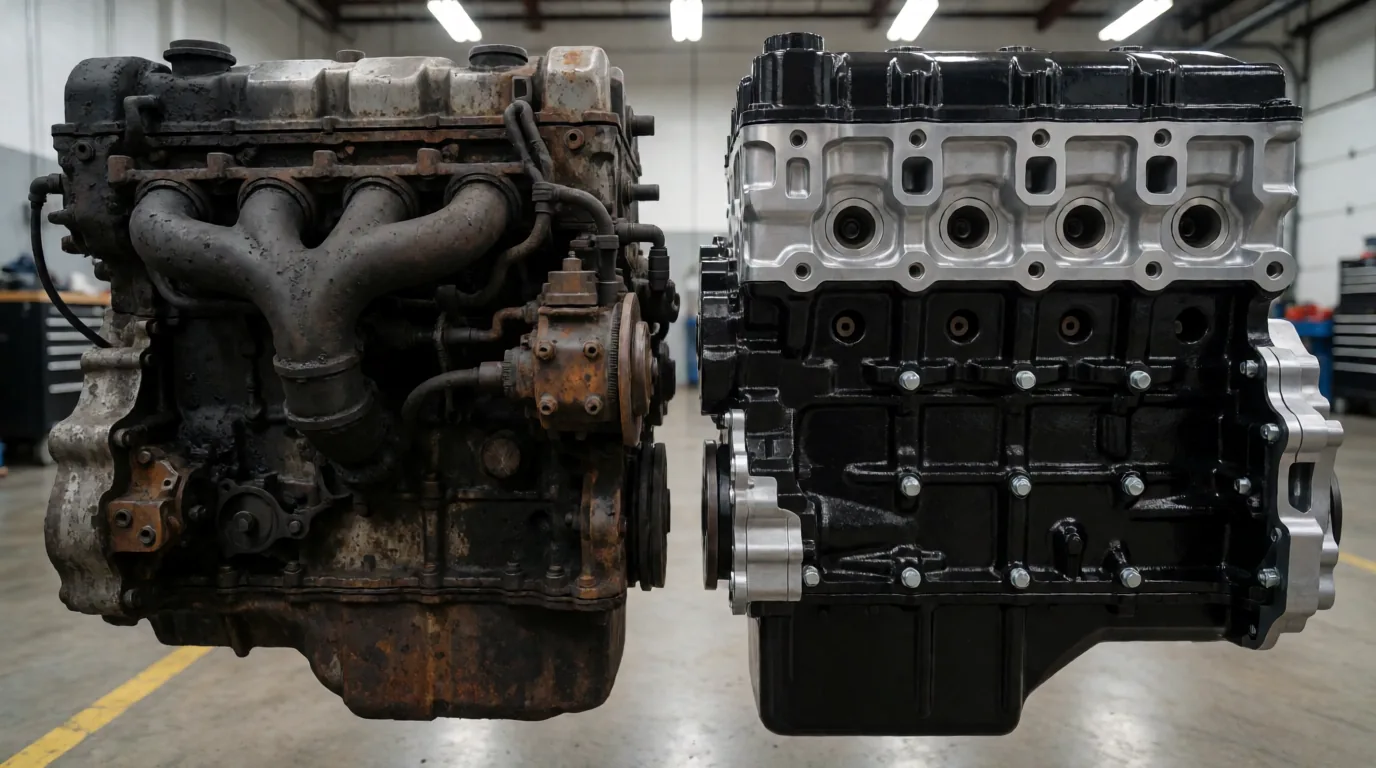
A used engine costs a $2,400 median across 29,646 salvage yard listings, while a remanufactured engine typically runs $3,000 to $7,500 depending on displacement. Reman buys you a 2 to 3 year warranty and factory-spec internals; used buys you a running engine today for a fraction of the price.
The right answer depends almost entirely on what your car is worth. On a Honda Civic with a $700 used engine median, paying reman prices can exceed the value of the car. On a Chevy Tahoe at $5,520 used, the reman premium is small enough that the warranty starts looking like cheap insurance.
- Used engine median: $2,400 across 29,646 priced listings and 48 vehicle models
- Remanufactured typically runs $3,000 to $7,500, roughly 1.5x to 4x the used price
- The premium multiple shrinks as engine price rises, so reman is best value on expensive engines, not cheap ones
- Warranty is the real difference: 30 to 90 days used vs 2 to 3 years reman, and only reman sometimes covers labor
- Rule of thumb: total installed cost above half the vehicle's market value means rethink the repair
The Price Gap in Real Numbers
Here's how the three options compare. Only the used column comes from our listing data; reman and new are typical market ranges you'll see quoted by suppliers.
| Factor | Used (Salvage) | Remanufactured | New Crate |
|---|---|---|---|
| Typical price | $600–$7,958 | $3,000–$7,500 | $4,500–$12,000+ |
| Median / midpoint | $2,400 | ~$4,500 | ~$7,000 |
| Warranty | 30–90 days | 2–3 years | 2–5 years |
| Labor covered | Rarely | Sometimes | Usually |
| Mileage on block | Donor's mileage | Zero since rebuild | Zero |
| Lead time | Same day to 1 week | 3 days to 3 weeks | 1 to 6 weeks |
| Best for | Older, lower-value cars | Cars you're keeping | Late-model or specialty |
The overlap in the middle is the interesting part. A used BMW X5 engine at a $7,958 median costs more than a remanufactured four cylinder for a Corolla. "Used is cheaper" is only true within the same engine, which is why generic comparisons mislead people.
Used, Rebuilt, Remanufactured, and New
These four words get used interchangeably by sellers, and they mean very different things.
Used means pulled from a donor vehicle and sold as-is, with whatever mileage and wear it accumulated. Nothing is replaced. The quality question is entirely about the donor: how it was maintained, why it came off the road, and how many miles it had.
Rebuilt means someone disassembled the engine and replaced the parts that had failed or measured out of spec. Standards vary wildly. A rebuild by a good machine shop is excellent. A rebuild by an anonymous seller on a marketplace could mean new gaskets and a coat of paint.
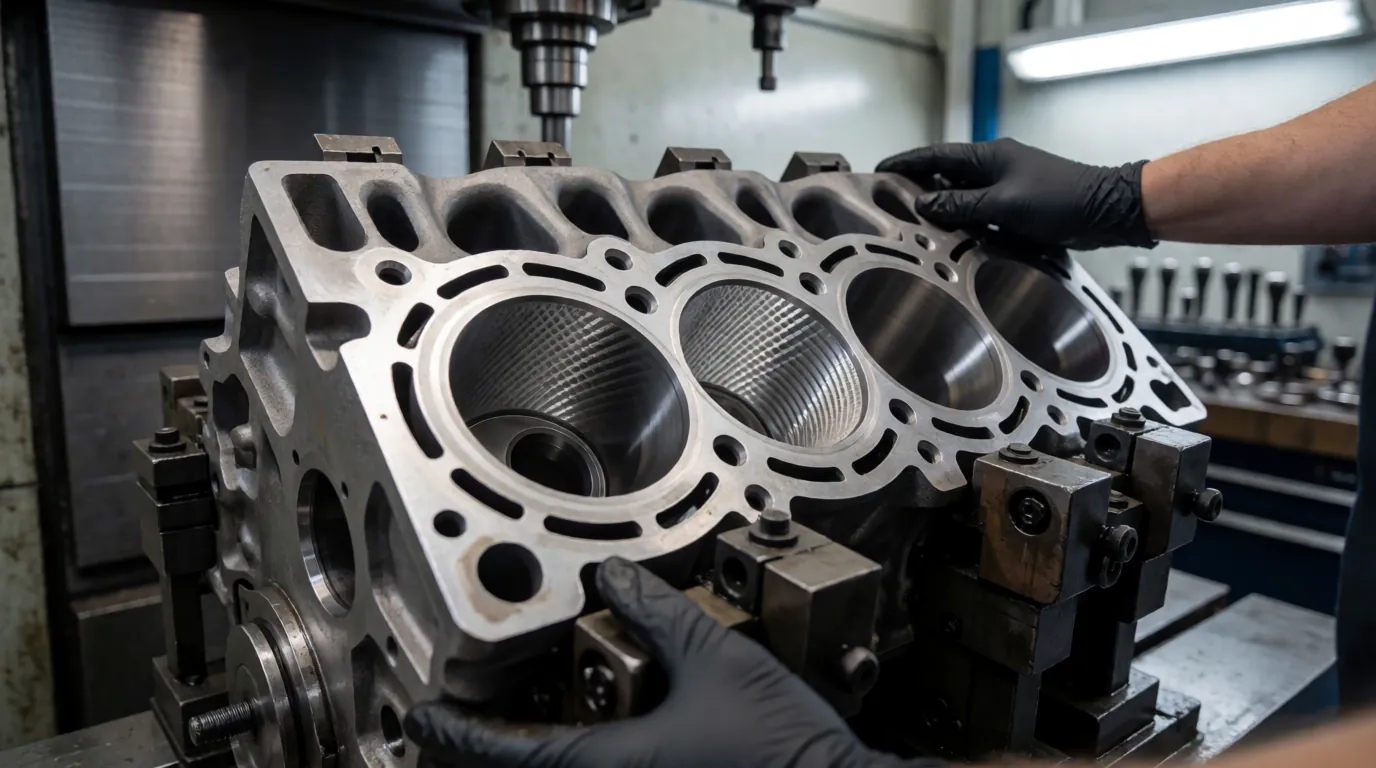
Remanufactured means the block was fully disassembled, cleaned, machined back to factory tolerances, and reassembled with all new wear items: bearings, rings, seals, gaskets, and usually the oil pump and timing set. Reputable remanufacturers dyno or pressure test every unit. That process is why reman carries a real warranty.
New crate engines come from the manufacturer or an OEM supplier with zero hours on any component. They're the safest and the priciest, and for most vehicles over five years old they're hard to justify.
The distinction that costs people money is rebuilt vs remanufactured. Rebuilt units get advertised at reman prices without reman process control. Ask what was machined, what was replaced, and whether the unit was tested before shipping. If the seller can't answer specifically, price it as used.
Warranty Is What You're Actually Buying
Strip away the marketing and the reman premium is a warranty purchase.
A salvage yard warranty on a used engine typically runs 30 to 90 days, sometimes extendable to a year for a fee. Crucially, it almost always covers the part only. If the engine fails at day 60, you get a replacement engine and a second labor bill.
A remanufactured engine warranty typically runs 2 to 3 years with unlimited or high mileage caps, and better remanufacturers include a labor allowance on a warranty failure. That labor allowance is the clause worth reading closely, because engine swap labor can rival the cost of the engine itself on cheaper units.
Three questions to ask any seller before you pay:
- Does the warranty cover labor, and if so, up to how many hours or dollars?
- Does it require professional installation with a receipt? Most reman warranties do, which rules out a driveway swap.
- What voids it? Overheating, oil starvation, and modified tuning are the usual exclusions, and the burden of proof is on you.
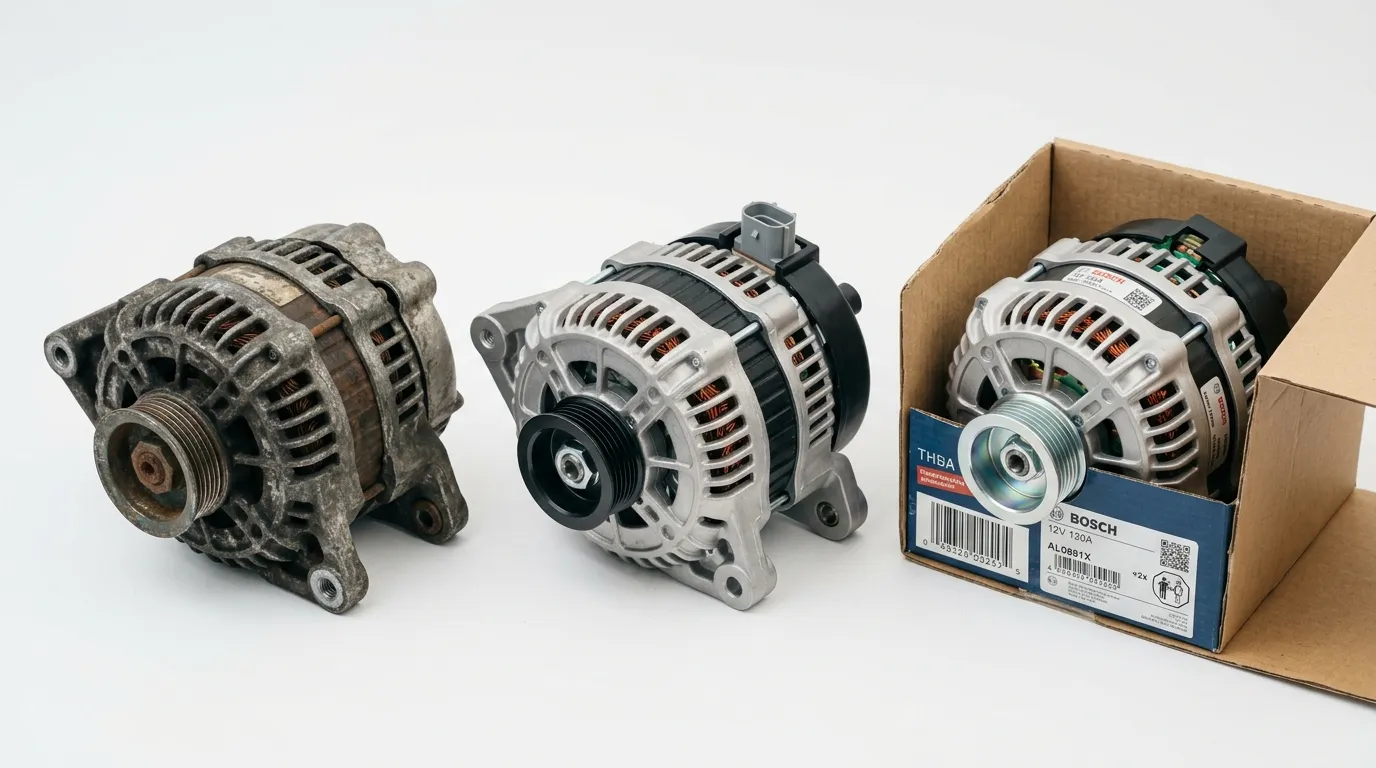
The same warranty logic drives the decision on smaller components. Our used vs remanufactured alternator comparison shows how the math changes when the part is cheap enough to simply replace again.
Labor Costs the Same Either Way
An engine swap takes the same number of hours whether the engine came from a junkyard or a remanufacturer. That fixed cost changes the comparison in a way most buyers don't expect.
Work through two examples, assuming a mid-range shop bill for the swap itself:
Honda Civic. Used engine at the $700 median plus roughly $1,600 in labor gives about $2,300 installed. A reman four cylinder around $2,800 plus the same labor gives about $4,400. You're paying nearly double the total project cost for the warranty.
Chevy Tahoe. Used engine at the $5,520 median plus roughly $1,900 in labor gives about $7,420 installed. A reman 5.3L around $6,800 plus the same labor gives about $8,700. That's a 17% increase in total cost for a warranty that runs 20 times longer.
The pattern inverts the usual advice. People assume reman is a luxury upgrade for people with money. In percentage terms, reman is actually most defensible on expensive engines, where the price gap narrows and the labor risk on a failure is highest. On cheap high-volume engines, buying used twice is often still cheaper than buying reman once.
The Vehicle Value Threshold
One number decides most of these cases: total installed cost as a share of your car's market value.
Under 30% of vehicle value. Straightforward repair. Buy the used engine, keep the change, and put some of it toward the wear items while the engine is out.
30% to 50%. The judgment zone. If you plan to keep the car another three years, the reman warranty starts paying for itself. If you're selling within a year, used wins.
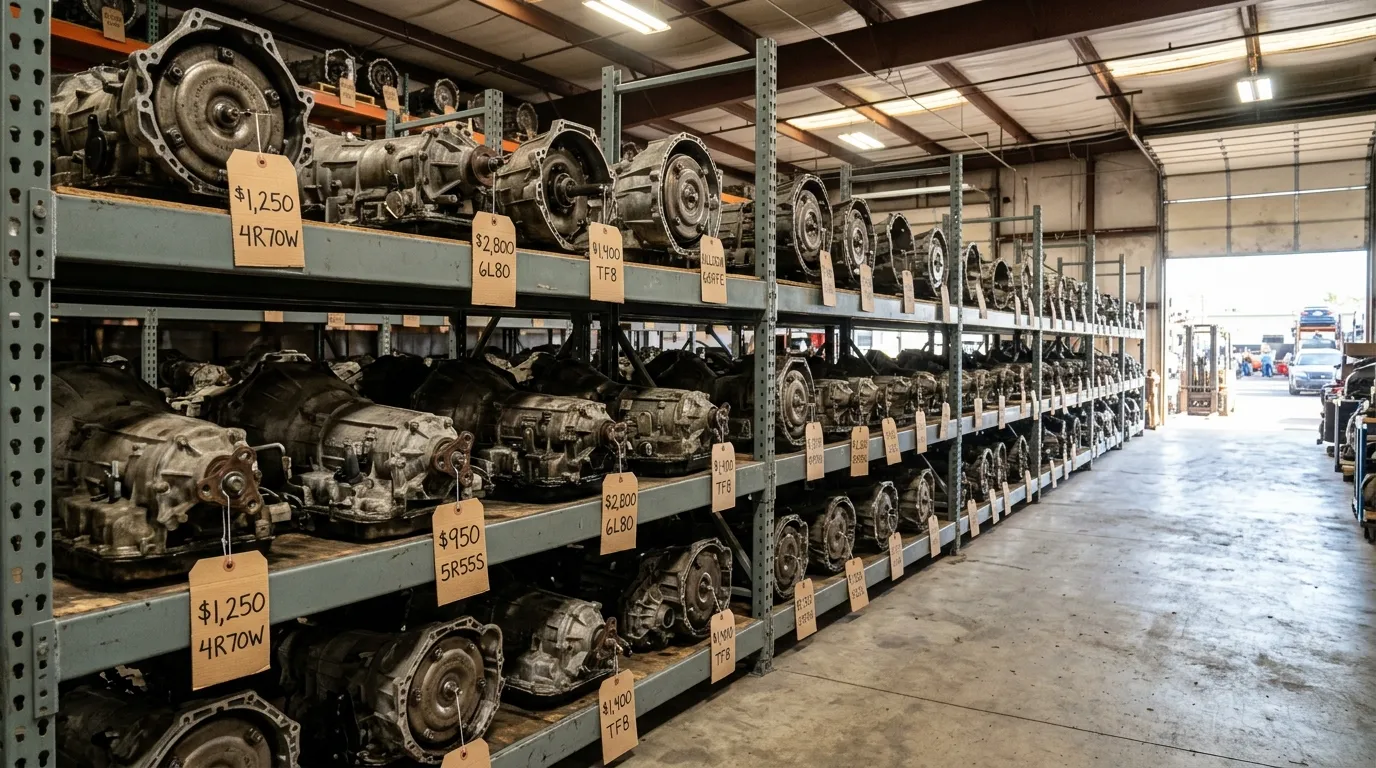
Over 50%. Stop and reprice the whole decision. At this point you're comparing an engine swap against a replacement vehicle, and the answer often isn't the engine. Check the transmission's condition too, because a second major failure six months later turns a marginal repair into a bad one. Our used transmission cost analysis covers what that would add.
Look up your model's actual used engine median on the engine price index before running this calculation. Using the $2,400 national median on a Nissan Rogue, where the real median is $600, will send you to the wrong conclusion.
When Each Option Wins
Buy used when your vehicle is worth under roughly $10,000, the model has strong salvage supply, you need the car back this week, or you're comfortable doing or overseeing the install. High-volume models make this easy: Honda Civic at $700, Toyota RAV4 at $1,750, Hyundai Sonata at $1,925.
Buy remanufactured when you're keeping the vehicle past another 100,000 miles, the used price for your engine is already high, you're paying a shop full retail for labor, or the engine is one with a known design weakness that reman addresses with updated parts.
Buy new when the vehicle is late-model and still under significant value, the engine is a specialty or performance unit where reman supply is thin, or a manufacturer program makes the crate engine competitive.
Skip the rebuild from an unknown seller unless you can verify what was machined and tested. Rebuilt units priced like reman with no process documentation are the worst risk-adjusted buy in this market.
For the full pricing picture across all 48 models we track, read our used engine cost analysis. If you've decided on used and want to source it well, our junkyard engine pricing guide covers yard types, engine-type pricing, and negotiation.