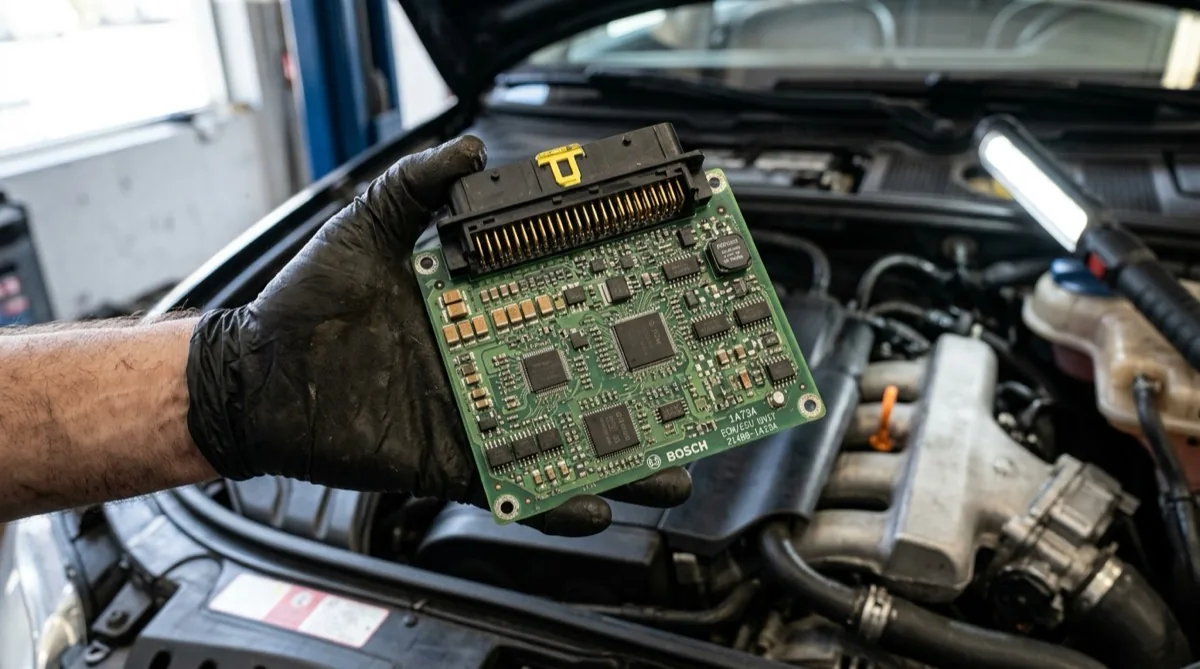
Replacing an engine control module costs $352 to $679 total when you source a used ECM from a salvage yard and pay a shop for programming, or $298 to $825 with a remanufactured unit that arrives pre-programmed to your VIN. A full dealer replacement with a new OEM module runs $800 to $2,200, and trucks with diesel powertrains or heavy-duty calibrations can push that to $5,000.
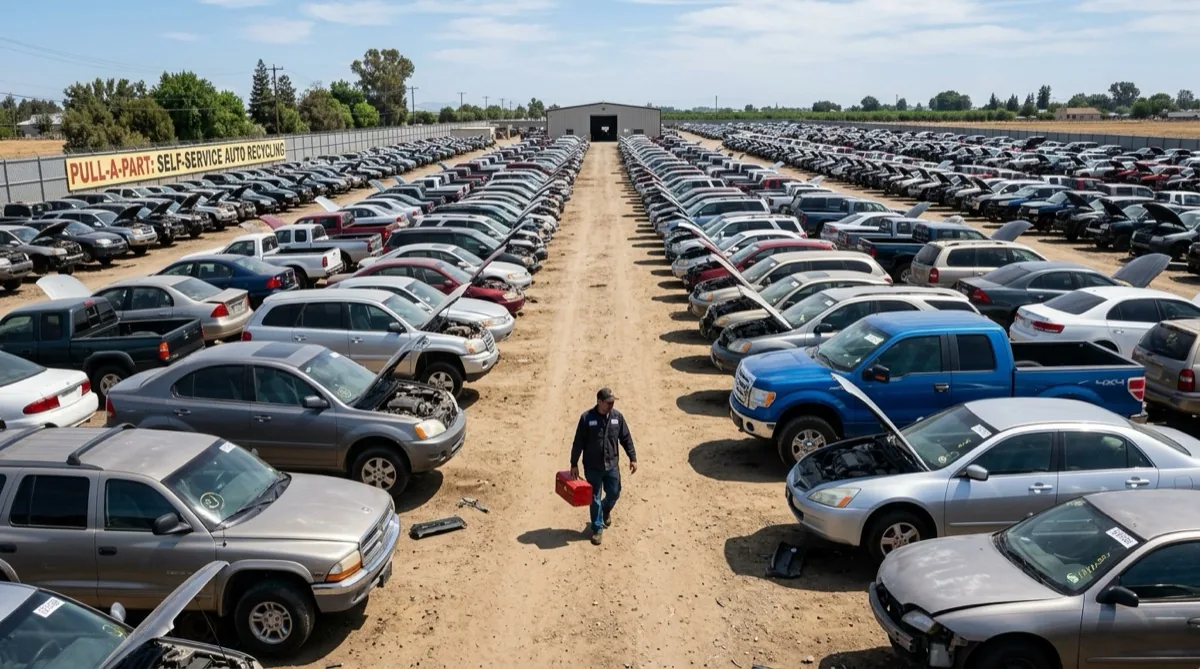
The part itself is not the expensive half. A used engine computer carries a $154 median price across 42,536 priced salvage listings in our index. What catches most owners off guard is the $150 to $300 programming charge that follows, a mandatory step on virtually every vehicle built after 1996. That programming fee is what makes the "cheap used ECM" route less cheap than it looks on paper, and it is what makes pre-programmed remanufactured units a serious alternative.
For a detailed breakdown, see our junkyard parts pricing overview guide.
- Used ECM + programming: $352–$679 total. The module runs $154 median, programming adds $150–$300, and labor to swap it adds $48–$225
- Remanufactured pre-programmed: $298–$825 total. The unit arrives ready to install with no dealer visit for flashing
- New OEM from a dealer: $800–$2,200 total. Trucks and diesels can reach $5,000
- Programming is mandatory on 1996+ vehicles and usually requires a factory-level scan tool only available at dealerships or specialized shops
- ECM, ECU, and PCM are the same thing for pricing purposes, they all refer to the vehicle's main engine management computer
- Dataset: 42,536 priced engine computer listings, August 2026
What ECM Replacement Costs
ECM replacement breaks into three line items: the module itself, the labor to physically swap it, and the programming charge to flash the correct calibration and security data. The third line item is what separates this job from a typical bolt-on repair.
| Cost Component | Used + Programming | Reman Pre-Programmed | New OEM (Dealer) |
|---|---|---|---|
| Module cost | $100–$254 (median $154) | $250–$600 | $600–$1,500 |
| Labor (0.5–1.5 hrs) | $48–$225 | $48–$225 | $48–$225 |
| Programming/flashing | $150–$300 | Included | Included |
| Total | $352–$679 | $298–$825 | $800–$2,200 |
What moves the total is the programming path. A used module pulled from a different vehicle needs a full reprogram at a dealer or a shop with factory-level software. A remanufactured unit sold as "VIN-programmed" ships with the correct calibration already loaded, so the installer only needs to complete a quick relearn procedure rather than a full flash session.
*Part pricing source: PartPriceGuide.com analysis of 42,536 priced salvage yard listings, August 2026. Labor range consistent with RepairPal national estimates.*
ECM vs ECU vs PCM: What Is the Difference?
These three acronyms all refer to the vehicle's main engine management computer, and in everyday repair contexts they are interchangeable. The technical distinctions are minor.
ECM (engine control module) is the most common term in service manuals. It manages fuel injection timing, ignition spark, idle speed, and emissions-related functions. When a technician says "the car needs a new computer," they almost always mean the ECM.
ECU (engine control unit) is the older European term for the same part. It originated with Bosch fuel injection systems in the 1980s and is still widely used in import-vehicle communities. Functionally, an ECU and an ECM are the same hardware.
PCM (powertrain control module) is technically broader. On vehicles where a single computer manages both the engine and the automatic transmission, manufacturers call it a PCM rather than an ECM. Most modern GM, Ford, and Chrysler vehicles use this naming convention. The PCM handles everything the ECM does, plus shift scheduling, torque converter lockup, and transmission line pressure.
For pricing purposes, the distinction does not matter. Salvage yards list all three under "engine computer," and the median price holds whether the listing says ECM, ECU, or PCM. The part number printed on the module is what determines compatibility, not the acronym.
If your vehicle has a separate TCM (transmission control module), that is a distinct unit with its own pricing. Used TCMs carry a $121 median across 131,361 listings in our index. See our transmission control module pricing page for current data.
The Programming Cost Nobody Mentions
Every ECM replacement on a 1996-or-newer vehicle requires programming, and this is the cost that turns a $200 salvage yard purchase into a $500 repair. The programming step loads two things into the module: the correct engine calibration file (fuel maps, timing tables, emissions parameters) and the vehicle's security credentials (VIN, immobilizer keys, theft-deterrent codes).
Why it cannot be skipped. Modern vehicles use encrypted communication between the ECM and the immobilizer system. If the ECM does not hold the correct security keys, the vehicle will crank but refuse to start. Even if security were not an issue, an ECM pulled from a 2018 Camry with a different axle ratio or emissions calibration will run poorly or throw codes on your 2018 Camry if the calibration file does not match.
What it costs. Dealers charge $150 to $300 for ECM programming as a standalone service. This covers the technician's time (15 to 45 minutes of actual flash time) plus the subscription fee for the manufacturer's diagnostic software. Independent shops with ASE-certified technicians and factory-level tools like Ford IDS, GM GDS2, or Toyota Techstream charge on the lower end. General-purpose scan tools cannot perform this step on most makes.
Where the money goes. Manufacturers charge dealerships an annual or per-session license fee for programming access. Ford's FJDS subscription runs around $40 per session or $1,000 annually. GM's TIS2Web charges similar rates. Dealerships pass these costs through to the customer as part of the programming fee, which is why the charge exists even though the actual flash process takes under an hour.
For a detailed breakdown, see our check engine light diagnostics and cost guide.
Pre-Programmed vs Flash-Required: Which Saves More?
The two dominant sourcing paths for a replacement ECM each have a cost advantage in different situations.
Used module + dealer programming
Buy a used ECM from a salvage yard for $100 to $254, pay a shop $48 to $225 for the physical swap, then pay a dealer $150 to $300 to flash it. Total: $352 to $679.
This path works well if you have a trusted independent shop that handles the physical install (saving on labor rates versus a dealer) and a dealer nearby that does programming-only appointments. Many dealers will program a customer-supplied module for a flat fee without requiring the full installation labor. The downside is the extra trip: the vehicle has to go to the dealer after the shop installs the module, or the shop has to coordinate with the dealer, which adds time and sometimes a tow if the vehicle will not start without programming.
Remanufactured VIN-programmed module
Buy a remanufactured ECM pre-programmed to your VIN for $250 to $600. Pay a shop $48 to $225 for the install. Total: $298 to $825.
Companies like Flagship One, Module Experts, and Solo Automotive offer remanufactured ECMs that arrive flashed with your vehicle's VIN and calibration. You order by providing your VIN and the module part number, and the unit ships ready to install. In most cases the vehicle starts immediately after a brief key-cycle relearn procedure with no dealer visit required.
Which path costs less?
For common vehicles (Honda Accord, Toyota Camry, Ford F-150), the used-plus-programming path usually comes in $50 to $150 cheaper because the salvage part is inexpensive and programming is a flat fee. For less common vehicles or European makes where dealer programming charges are higher or the used module is harder to source, the pre-programmed reman path eliminates the dealer dependency and often lands at a similar total.
The convenience factor also matters. If your vehicle is not drivable (common with ECM failure, since the engine will not start), you either need a tow to the dealer for programming or a mobile programmer. A pre-programmed unit avoids that logistics problem entirely.
Bad ECM Symptoms
ECM failure is less common than most other engine components because the module has no moving parts, no fluid, and no wear surfaces. When it does fail, the symptoms mimic several other electrical problems, which is why diagnosis matters before buying a replacement.
The engine does not start. A completely dead ECM produces a crank-no-start condition. The starter spins the engine, but the ECM never triggers the fuel injectors or ignition coils. This is also the symptom of a bad crankshaft position sensor, a failed fuel pump, or a blown ignition fuse, so jumping straight to an ECM replacement without diagnosis is a common and expensive mistake.
For a detailed breakdown, see our complete guide to car won't start causes and costs guide.
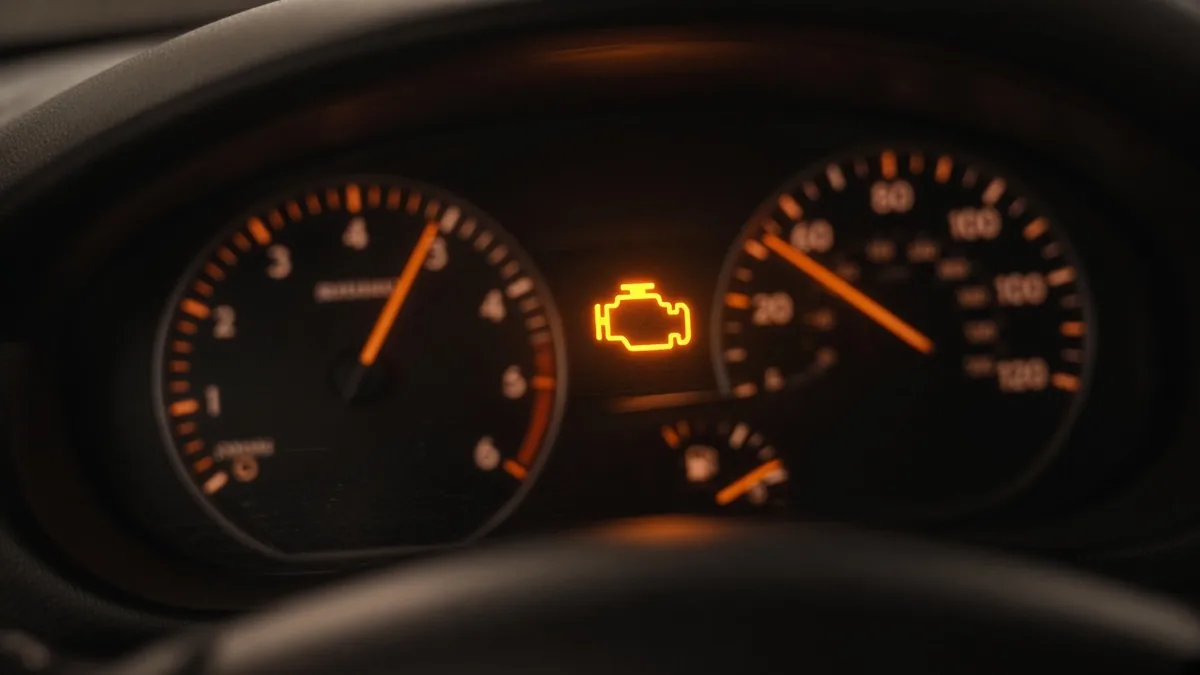
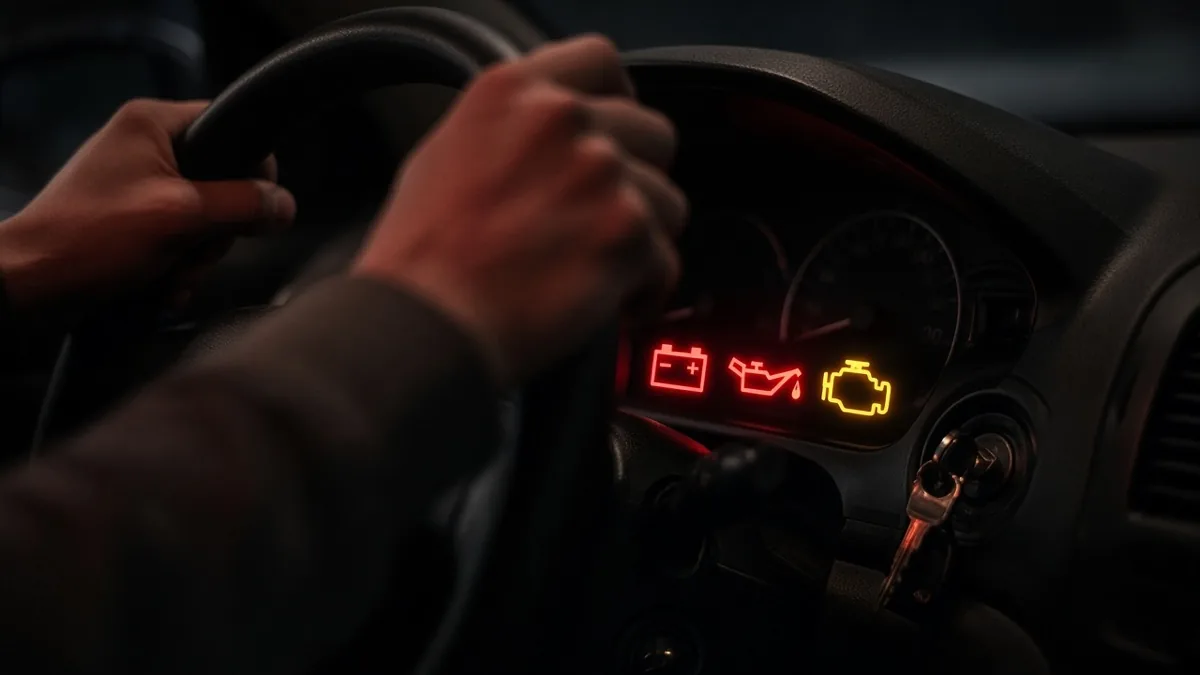
The check engine light stays on with communication codes. Diagnostic trouble codes U0100 (lost communication with ECM/PCM) or U0101 (lost communication with TCM) point directly at a module communication failure. These codes appear when other modules on the CAN bus cannot reach the ECM. If the code clears and returns immediately, the ECM hardware is the likely cause rather than a wiring issue.
Erratic engine behavior with no mechanical cause. Random misfires, unexplained stalling, or sudden changes in idle speed that do not correspond to any sensor failure can indicate corrupted ECM software or a failing processor. These symptoms are the hardest to pin on the ECM because they overlap with dozens of sensor and wiring faults.
Intermittent electrical failures. If multiple unrelated systems (fuel injection, transmission shifting, cruise control) malfunction simultaneously or intermittently, a failing ECM is a reasonable suspect. Individual sensor failures affect one system; ECM failure affects everything the module controls.
Before you replace it: have a technician verify the ECM is the actual failed component. A proper diagnosis involves checking power and ground circuits to the ECM, verifying CAN bus communication with a scan tool, and ruling out wiring harness damage. A corroded connector or a single broken wire in the harness can produce every symptom listed above, and a $20 wiring repair is obviously preferable to a $500 ECM replacement.
Cost by Vehicle Type
ECM replacement cost varies more by vehicle class than by brand. The physical installation labor is roughly the same across all vehicles, but the module cost and programming complexity scale with the powertrain.
| Vehicle Type | Module Cost | Programming | Labor | Estimated Total |
|---|---|---|---|---|
| Economy sedan (Civic, Corolla) | $100–$180 | $150–$250 | $48–$150 | $298–$580 |
| Mid-size sedan (Camry, Accord) | $120–$200 | $150–$250 | $48–$175 | $318–$625 |
| Domestic truck (F-150, Silverado) | $150–$280 | $150–$300 | $48–$200 | $348–$780 |
| SUV (Explorer, 4Runner, Tahoe) | $150–$300 | $150–$300 | $60–$225 | $360–$825 |
| European (BMW, Mercedes, Audi) | $250–$500 | $200–$400 | $95–$225 | $545–$1,125 |
| Diesel truck (Cummins, Duramax, Power Stroke) | $400–$1,200 | $250–$500 | $95–$225 | $745–$1,925 |
| Heavy-duty / specialty | $800–$2,000+ | $300–$600 | $95–$225 | $1,195–$2,825+ |
Diesel trucks are the outlier. A diesel ECM manages injector timing down to the microsecond, turbo boost pressure, exhaust aftertreatment (DPF regeneration, DEF injection, EGR valve control), and often coordinates with a separate transmission controller. The module itself costs $400 to $1,200 used and programming is more complex because emissions calibrations are tightly controlled. Total replacement on a diesel pickup commonly runs $2,000 to $5,000 at a dealer.
For a detailed breakdown, see our catalytic converter replacement cost for related emissions system pricing guide.