Most cars that refuse to start need a repair costing $150 to $600. The single most common cause is a dead or weak battery, which accounts for roughly 60% of all no-start problems and costs $150 to $350 to replace. Beyond batteries, the usual suspects are the starter ($250-$600 with a used part), the alternator ($195-$475 with a used part), and the fuel pump ($400-$900 total).
The fix depends entirely on what your car does, or doesn't do, when you turn the key. A car that makes no sound at all points to one set of parts. A car that cranks but won't fire points to a different set. This guide walks through each scenario with the actual repair costs, based on real part prices from our salvage yard index and labor estimates from RepairPal, so you can match your symptoms to the likely bill before calling a shop.
- 60% of no-start problems are dead batteries, the cheapest fix at $150-$350 installed
- Starter failure costs $250-$600 total with a used part (median used starter: $91, based on 42,026 listings)
- Alternator failure costs $195-$475 total with a used unit (median used alternator: $100, based on 56,927 listings)
- Fuel pump failure costs $400-$900 total (median used fuel pump: $120, based on 42,930 listings)
- Diagnosis alone runs $122-$179 at most shops (RepairPal), but a simple headlight test at home can narrow the cause for free
- The symptom pattern, nothing happens vs. clicks vs. cranks but won't fire, tells you which part category to investigate
What Most No-Start Repairs Cost
No-start repairs span a wide range, but the majority cluster between $150 and $600. Here is the full spread from the cheapest fix to the most expensive.
| Cause | Part Cost (Used/Salvage) | Labor | Total Installed |
|---|---|---|---|
| Dead battery | $80-$200 (new) | $50-$150 | $150-$350 |
| Bad starter | $91 median | $150-$500 | $250-$600 |
| Bad alternator | $100 median | $95-$375 | $195-$475 |
| Ignition switch | $99 median | $100-$250 | $199-$349 |
| Fuel pump | $120 median | $280-$780 | $400-$900 |
| Engine computer (ECM) | $154 median | $200-$450 | $354-$604 |
Two things stand out from this table. First, labor is the majority of the bill for every component except batteries. A used starter costs $91 median, but the labor to install it ranges from $150 on an easy-access truck to $500 on a vehicle where the intake manifold has to come off first. Second, the most expensive fix on this list, a fuel pump replacement at up to $900, is also one of the least common causes of a no-start condition.
For a full breakdown of part-vs-labor splits on starter jobs, see starter replacement cost.
Quick Diagnosis Flowchart
Before you call a mechanic or order parts, spend 60 seconds answering one question: what happens when you turn the key? The answer splits no-start problems into three distinct categories, each pointing to a different set of parts.
Nothing Happens (No Sound, No Lights)
Complete electrical silence when you turn the key means no power is reaching the starter or the dashboard. The most likely causes:
- Dead battery - the most common cause overall. Check for dim or dead interior lights. Jump-starting the car confirms this.
- Corroded or loose battery terminals - free to fix with a wire brush and wrench. Corrosion builds up gradually and can suddenly break the connection.
- Failed ignition switch - the electrical switch behind the key cylinder. Median used part cost: $99 from salvage.
Clicks But Won't Turn Over
A single loud click from the engine compartment, or rapid-fire clicking, means power is reaching the starter circuit but the engine isn't turning.
- Single click: The starter solenoid is engaging but the starter motor itself can't turn the engine. This almost always means a bad starter motor. Replacement runs $250-$600 with a used unit.
- Rapid clicking (machine gun sound): The battery has enough charge to activate the solenoid repeatedly but not enough amperage to spin the starter. This is a battery problem, not a starter problem. A jump start will confirm it.
Cranks Normally But Won't Fire
The engine spins at normal cranking speed, you can hear it turning over, but it never catches and runs. The starting circuit is working fine. The problem is fuel, spark, or the computer that controls both.
- No fuel: Failed fuel pump, clogged fuel filter, or tripped inertia switch
- No spark: Bad ignition coil, failed crankshaft position sensor, or worn spark plugs
- No signal: Failed engine computer (ECM/PCM) not sending fuel or spark commands
This category is harder to diagnose at home and usually requires a shop with a scan tool. Jump to When the Engine Cranks But Won't Start for the full breakdown.
Cause-by-Cause Cost Breakdown
Dead Battery (60% of No-Start Problems)
A dead battery is the single most frequent reason a car won't start. Batteries have a typical lifespan of 3-5 years, and extreme heat actually shortens battery life more than cold does, though cold weather is when a weak battery finally gives out.
Replacement cost: $150-$350 installed. Unlike the other repairs on this list, batteries are almost always purchased new. Auto parts stores like AutoZone and O'Reilly will install one for free if you buy from them, which saves the labor charge entirely.
Signs it's the battery: headlights are dim or dead, interior dome light won't turn on, the clock has reset, or the car started sluggishly in recent days before refusing entirely.
Bad Starter Motor
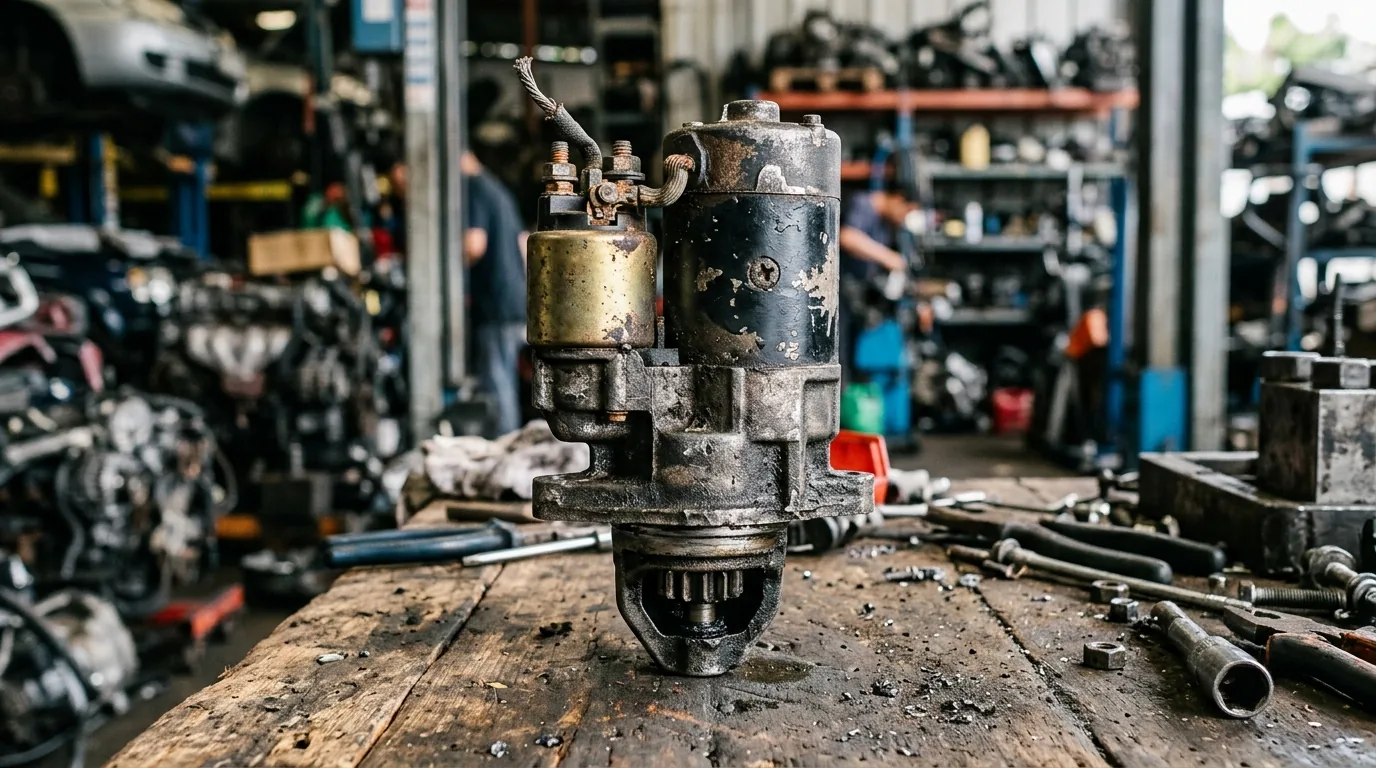
The starter is an electric motor bolted to the engine that physically spins the crankshaft when you turn the key. When it fails, you typically hear a single loud click and nothing else.
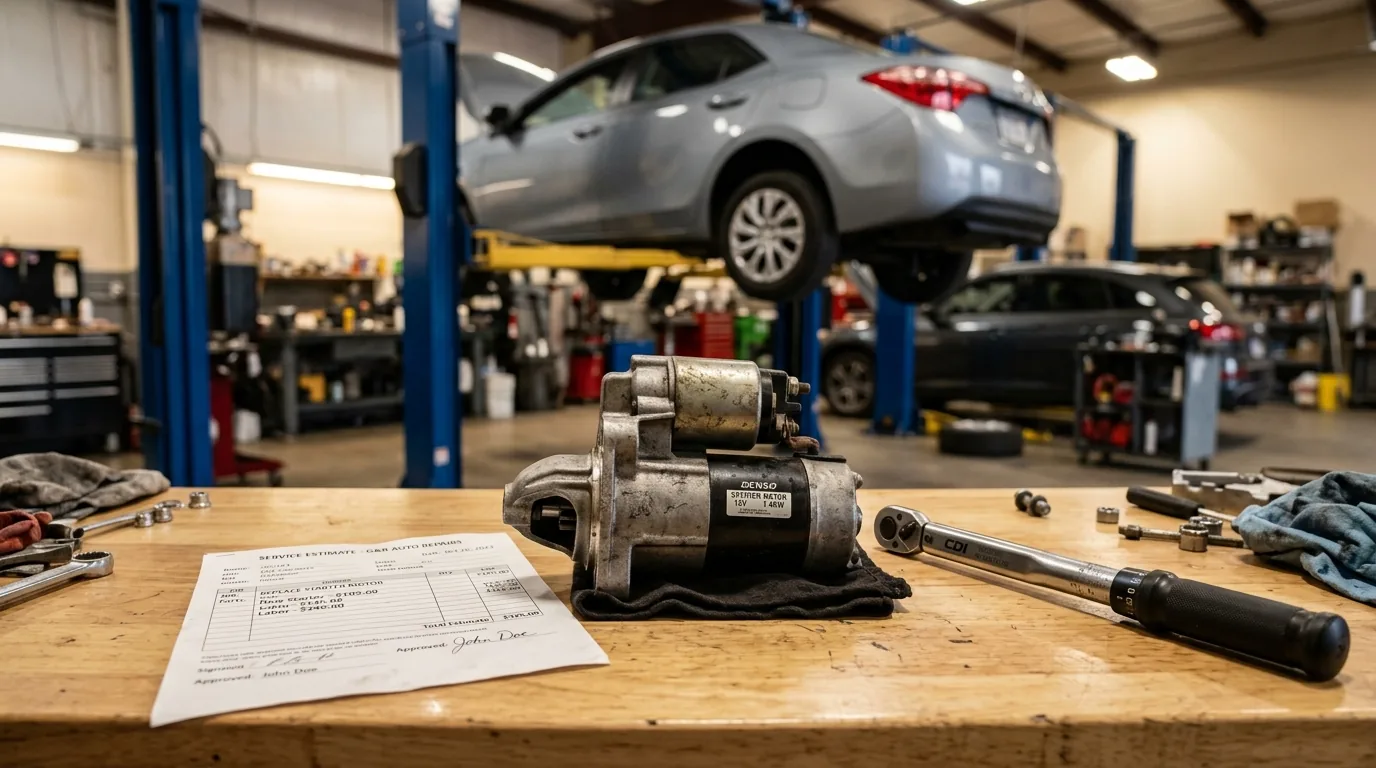
Replacement cost: $250-$600 total with a used starter. The median used starter costs $91 across 42,026 salvage yard listings. Labor ranges from $150 to $500 depending on accessibility. Rear-wheel-drive trucks often have easily accessible starters. Front-wheel-drive vehicles with transverse V6 engines can require intake manifold removal, driving labor past $400.
A used or remanufactured starter is practical for this repair. Starters are electromechanical components with straightforward failure modes, and the labor cost is the same regardless of part source. Spending less on the part keeps the total bill lower without increasing risk.
Compare used vs. remanufactured starter pricing in detail.
Bad Alternator
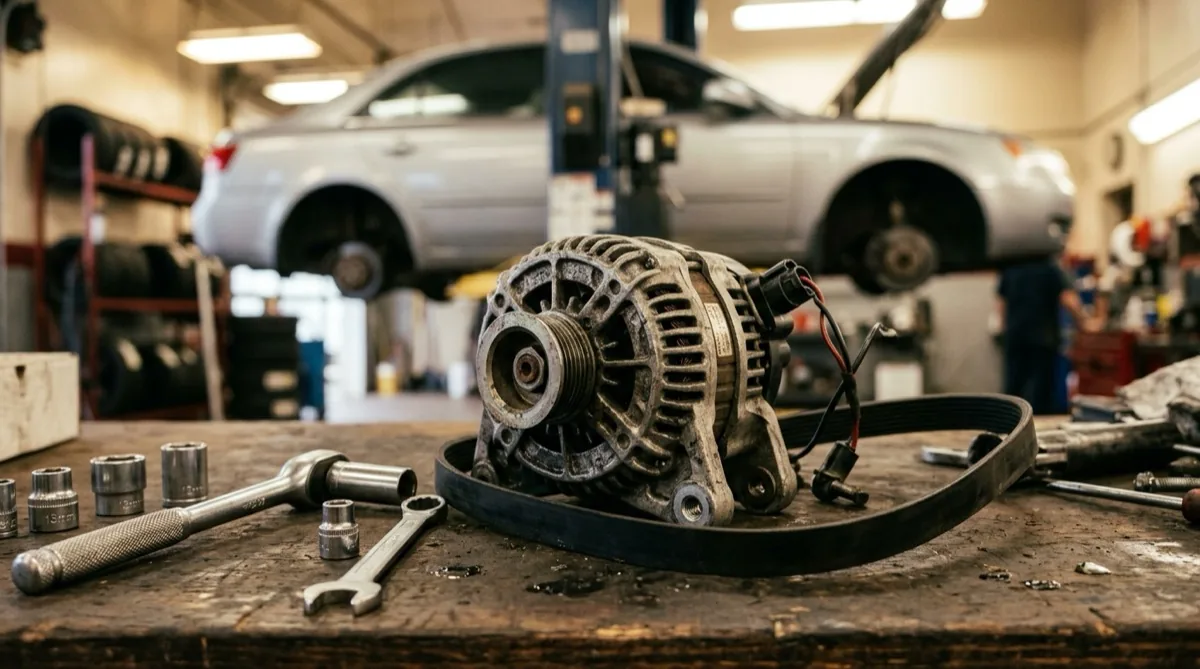
The alternator doesn't start your car directly. It charges the battery while the engine runs. When it fails, the battery gradually drains over a few drives until there's not enough charge left to crank the engine.
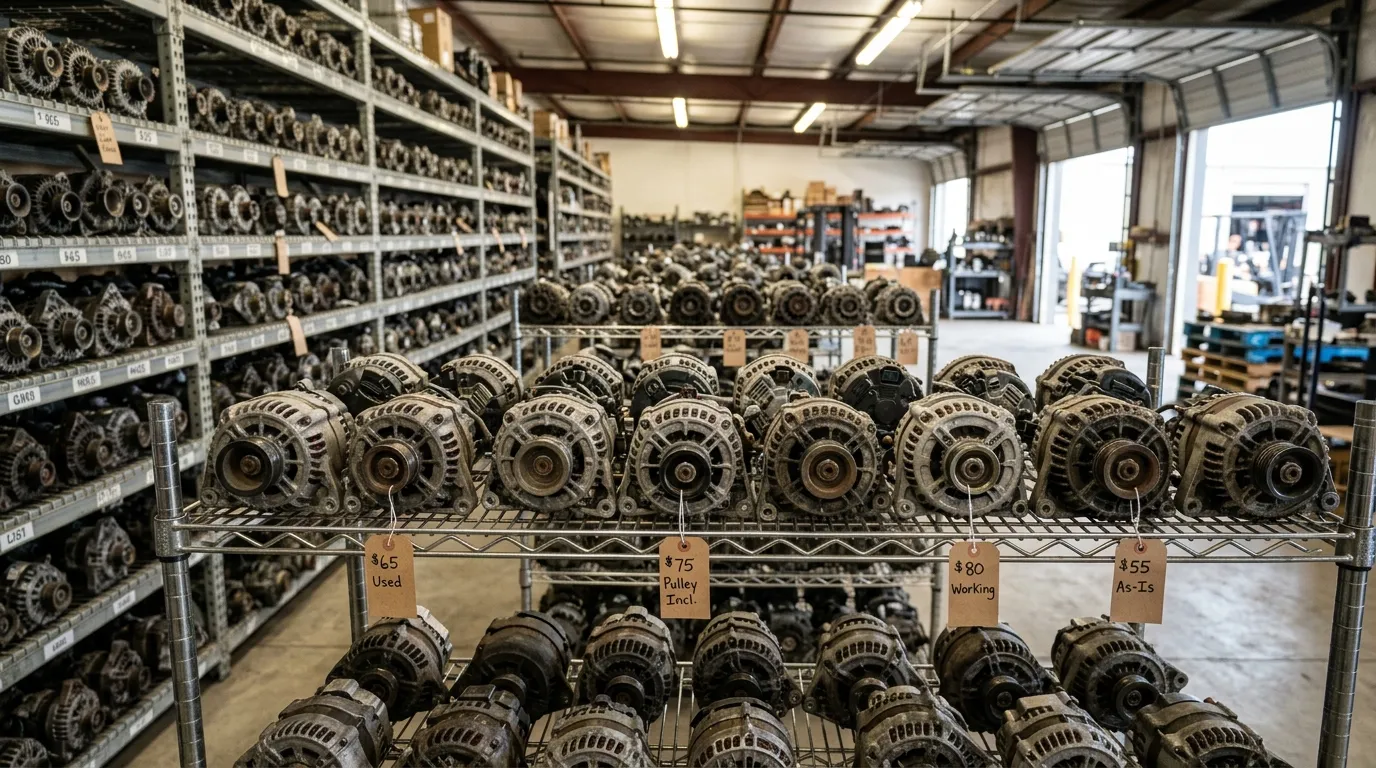
Replacement cost: $195-$475 total with a used alternator. The median used alternator costs $100 across 56,927 salvage yard listings. Labor typically runs $95-$375.
The telltale sign of an alternator-caused no-start: the car dies again a day or two after being jump-started. If one jump start gets you going and the car runs fine for weeks, it was just a weak battery. If the car keeps dying after every jump, the alternator isn't recharging the battery.
Full alternator replacement pricing by vehicle.
Failed Ignition Switch
The ignition switch is the electrical component behind the key cylinder. When it fails, turning the key sends no signal to the starter circuit. The dashboard may not light up at all, or it may light up partially with some accessories working.
Replacement cost: $199-$349 total. The median used ignition switch costs $99 across 13,827 salvage yard listings, and labor runs $100-$250. This is a less common cause of a no-start, but it's worth considering when the battery tests fine and there's no click at all from the starter.
Dead Battery vs Bad Starter vs Bad Alternator
These three components make up the starting and charging system, and symptoms overlap enough that misdiagnosis wastes money. Here's how to separate them.
| Test | Dead Battery | Bad Starter | Bad Alternator |
|---|---|---|---|
| Headlights when key is turned | Go dim or die completely | Stay bright | Stay bright (if battery has residual charge) |
| Sound when cranking | Slow, groaning crank or rapid clicking | Single loud click, then silence | Normal crank (if battery isn't fully drained) |
| After a jump start | Starts and runs, may not die again | Won't start even with a jump | Starts but dies again within 1-3 days |
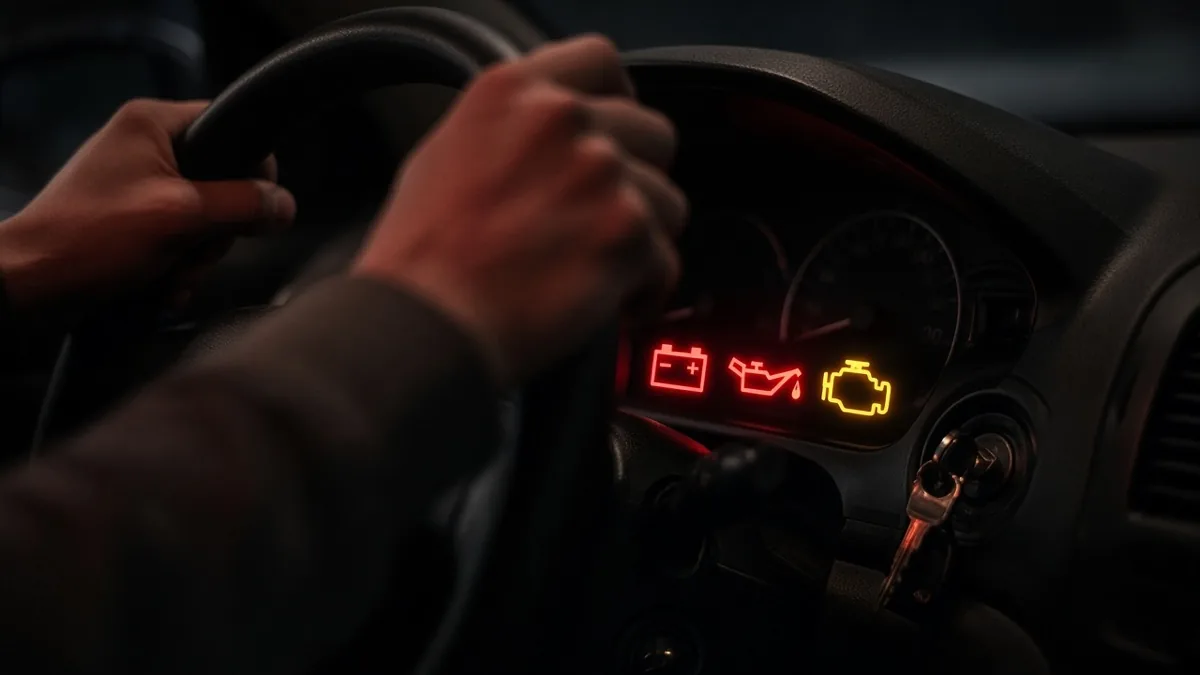
| Dashboard warning | Battery light may be on | No specific warning | Battery/charging light was on before the no-start |
| Battery age | 3+ years old | Any age | Any age |
| Multimeter reading (engine off) | Below 12.4V | 12.4V+ (battery is fine) | 12.4V+ initially, drops over days |
Most auto parts stores will test your battery and alternator for free with a handheld analyzer. This takes about five minutes and will tell you definitively whether the battery holds a charge and whether the alternator produces the correct voltage (13.5-14.5V) at idle.
When the Engine Cranks But Won't Start
If the engine turns over at normal speed but refuses to fire, the starting circuit is doing its job. The problem lies downstream: fuel delivery, ignition, or the engine computer that orchestrates both.
Fuel Pump Failure
The fuel pump sits inside the gas tank on most modern vehicles and pressurizes fuel to the injectors. When it fails, the engine cranks but gets no fuel.
Replacement cost: $400-$900 total. The median used fuel pump costs $120 across 42,930 salvage yard listings. Labor runs $280-$780 because the fuel tank usually has to be dropped from underneath the vehicle.
Quick test: Turn the key to "On" (not Start) and listen for a brief hum from the rear of the vehicle. That's the fuel pump priming. No hum suggests a dead pump, though a blown fuse or failed fuel pump relay could also be the cause.
Ignition System Problems
No spark means no combustion, even with proper fuel delivery. Common ignition components that cause a crank-no-start:
- Crankshaft position sensor - tells the computer when to fire the spark plugs. Replacement: $150-$350 total.
- Ignition coil(s) - generates the high voltage for the spark plugs. Replacement: $100-$300 per coil including labor.
- Spark plugs - if they're severely fouled or worn past their service interval. Replacement: $100-$250 for a full set.
A scan tool reading the engine codes will almost always identify which ignition component has failed. Many auto parts stores will pull codes for free.
Engine Computer (ECM/PCM) Failure
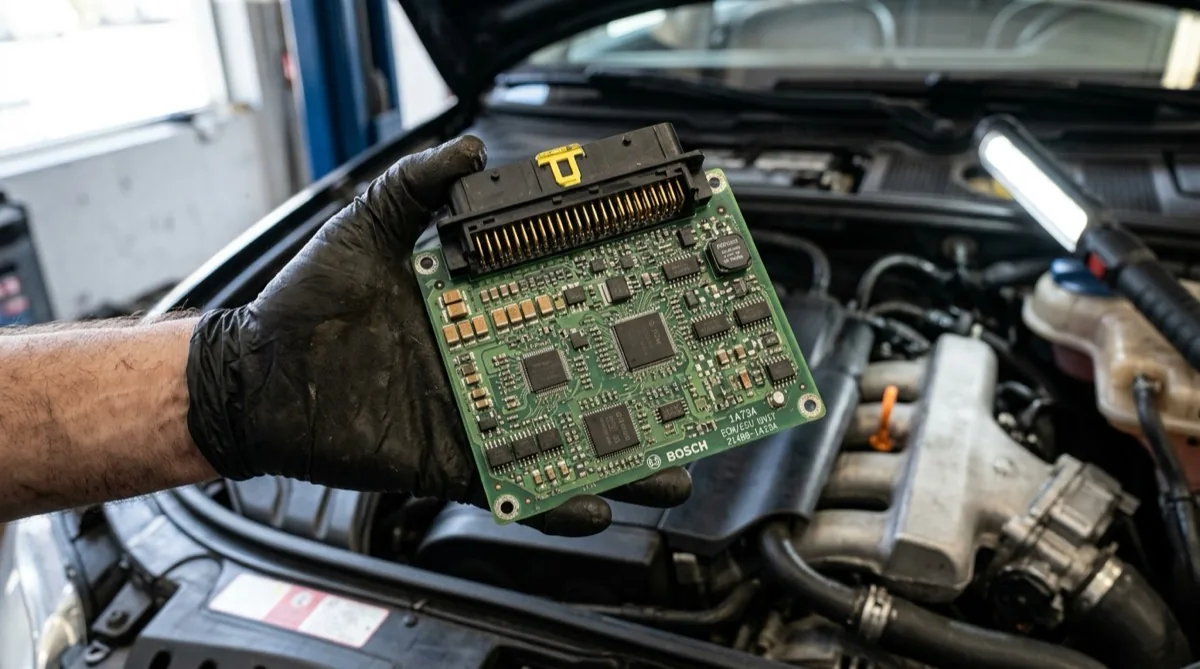
The engine control module is the brain that manages fuel injection timing, spark timing, and dozens of sensor inputs. When it fails completely, the engine cranks but sends no fuel and no spark.
Replacement cost: $354-$604 total. The median used engine computer costs $154 across 42,536 salvage yard listings. Labor and programming add $200-$450. Used ECMs usually require reflashing or programming to match your specific vehicle, which adds $150-$300 at a dealer.
ECM failure is relatively uncommon compared to battery, starter, and alternator problems. But it's worth knowing about because the symptoms, cranking with no start and no obvious code pattern, can send shops on expensive diagnostic chases if they don't consider it early.
Full ECM replacement cost breakdown with programming fees.
What a No-Start Diagnosis Costs
A professional no-start diagnosis runs $122-$179 according to RepairPal. This fee covers the technician's time to test the battery, check the starting circuit, scan for codes, and identify the failed component.
Some shops waive the diagnostic fee if you authorize the repair with them. Others charge it as a flat fee regardless. Ask before authorizing the diagnosis.
You can reduce or eliminate the diagnostic cost by narrowing the problem yourself:
- Free: The headlight test described above tells you whether the issue is battery/charging or starting circuit.
- Free: Auto parts stores (AutoZone, O'Reilly, Advance Auto) test batteries and alternators at no charge and pull diagnostic codes for free.
- $20-$60: A Bluetooth OBD-II scanner plugs into the port under your dashboard and reads engine codes on your phone, useful for crank-no-start situations where ignition or fuel system codes point to the problem.
If you arrive at the shop already knowing "it clicks but won't start and the battery tested good," you've saved the technician 20 minutes of baseline testing and made it harder for a less-than-honest shop to replace parts you don't need.
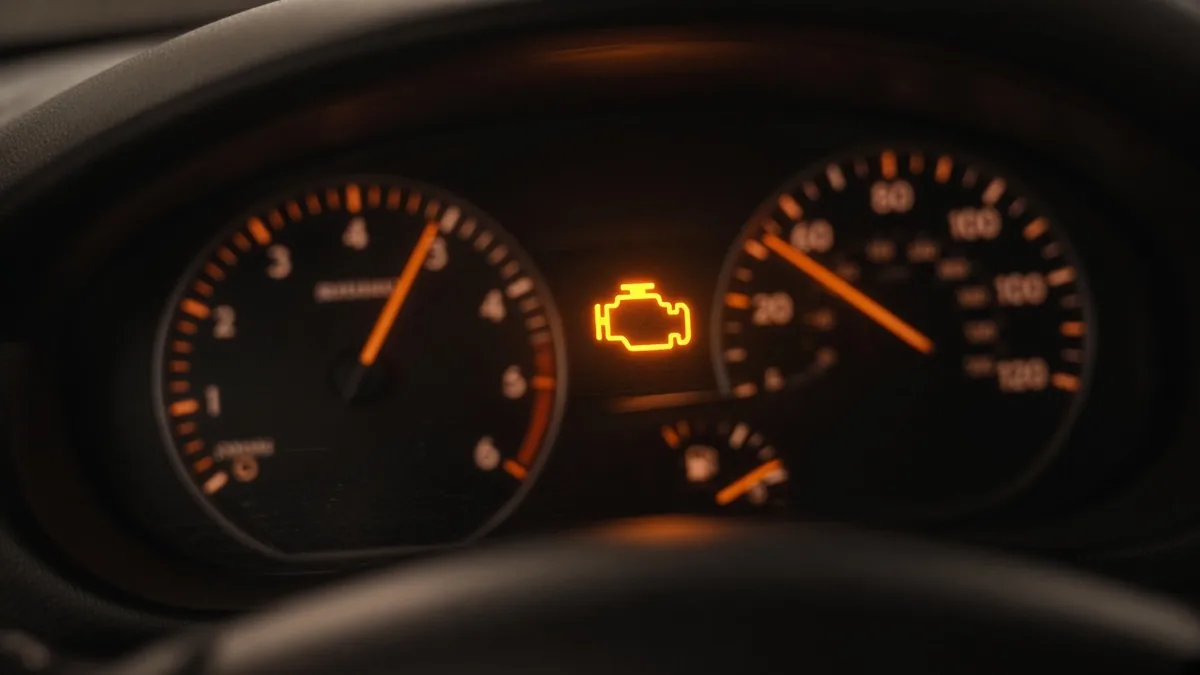
Related symptoms? See what a check engine light means and what it costs to fix.
How Salvage Parts Reduce No-Start Repair Costs
For every component on this list except the battery, a used salvage yard part is a legitimate way to cut the repair bill. Here's how the savings break down:
| Part | New OEM | Used (Median) | Savings |
|---|---|---|---|
| Starter | $130-$350 | $91 | $39-$259 |
| Alternator | $200-$500 | $100 | $100-$400 |
| Fuel pump | $250-$600 | $120 | $130-$480 |
| Ignition switch | $150-$300 | $99 | $51-$201 |
| Engine computer | $400-$1,200 | $154 | $246-$1,046 |
The engine computer offers the largest dollar savings, but it also carries a caveat: most used ECMs need to be programmed to your vehicle's VIN, which adds $150-$300 at a dealership. Even with that extra step, a used ECM at $154 plus $225 in programming ($379 total) still costs less than a new unit at $400-$1,200 before programming.
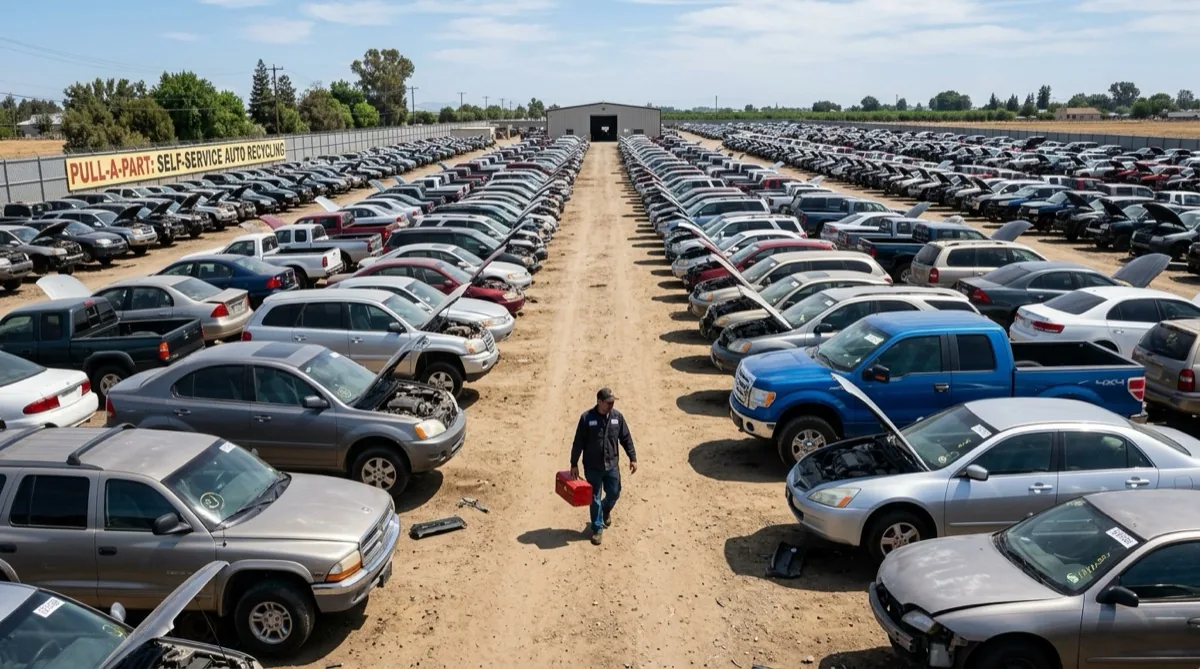
For starters and alternators, the savings are straightforward. These are self-contained mechanical/electrical units, and a used one from a lower-mileage donor vehicle works exactly like a new one. Full-service salvage yards test and grade these parts before selling, and most offer 30-90 day warranties.
Full pricing guide for salvage yard parts across 48 categories.