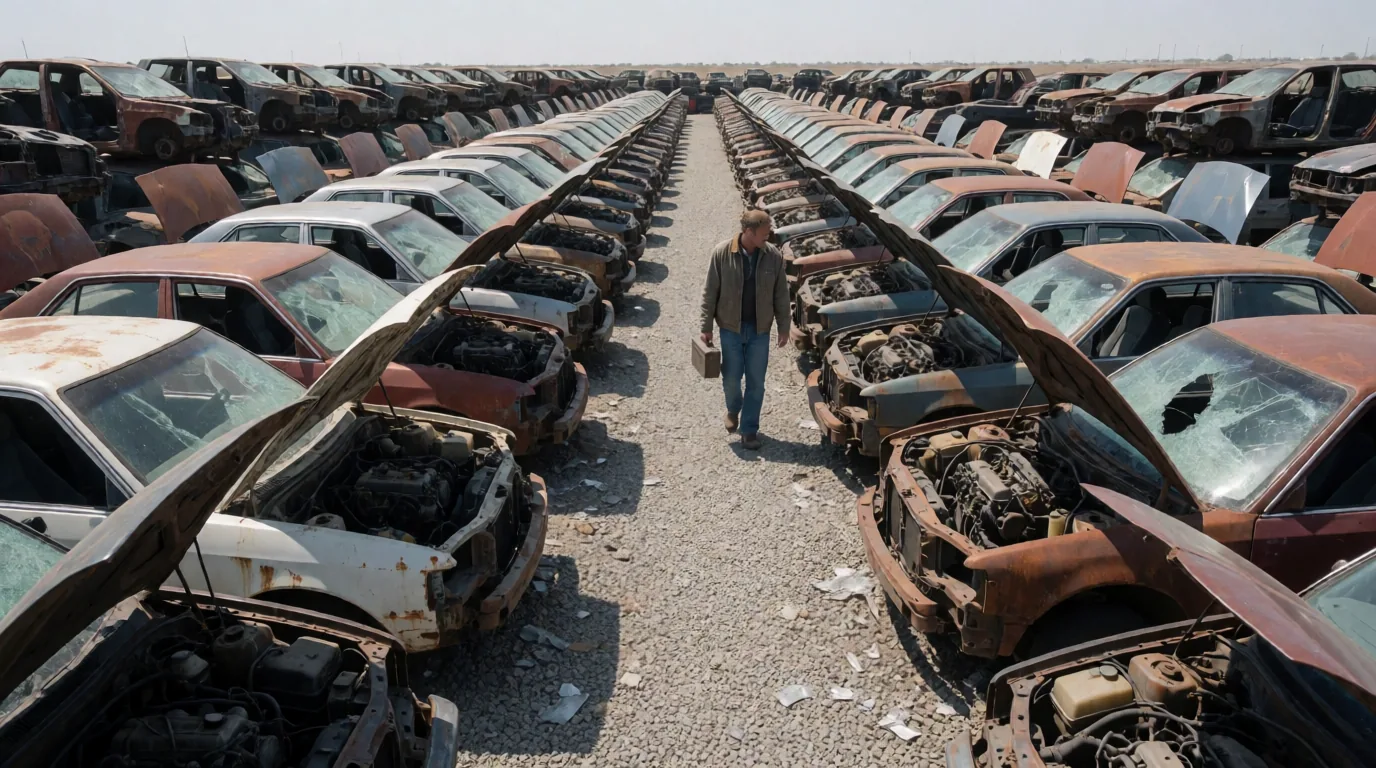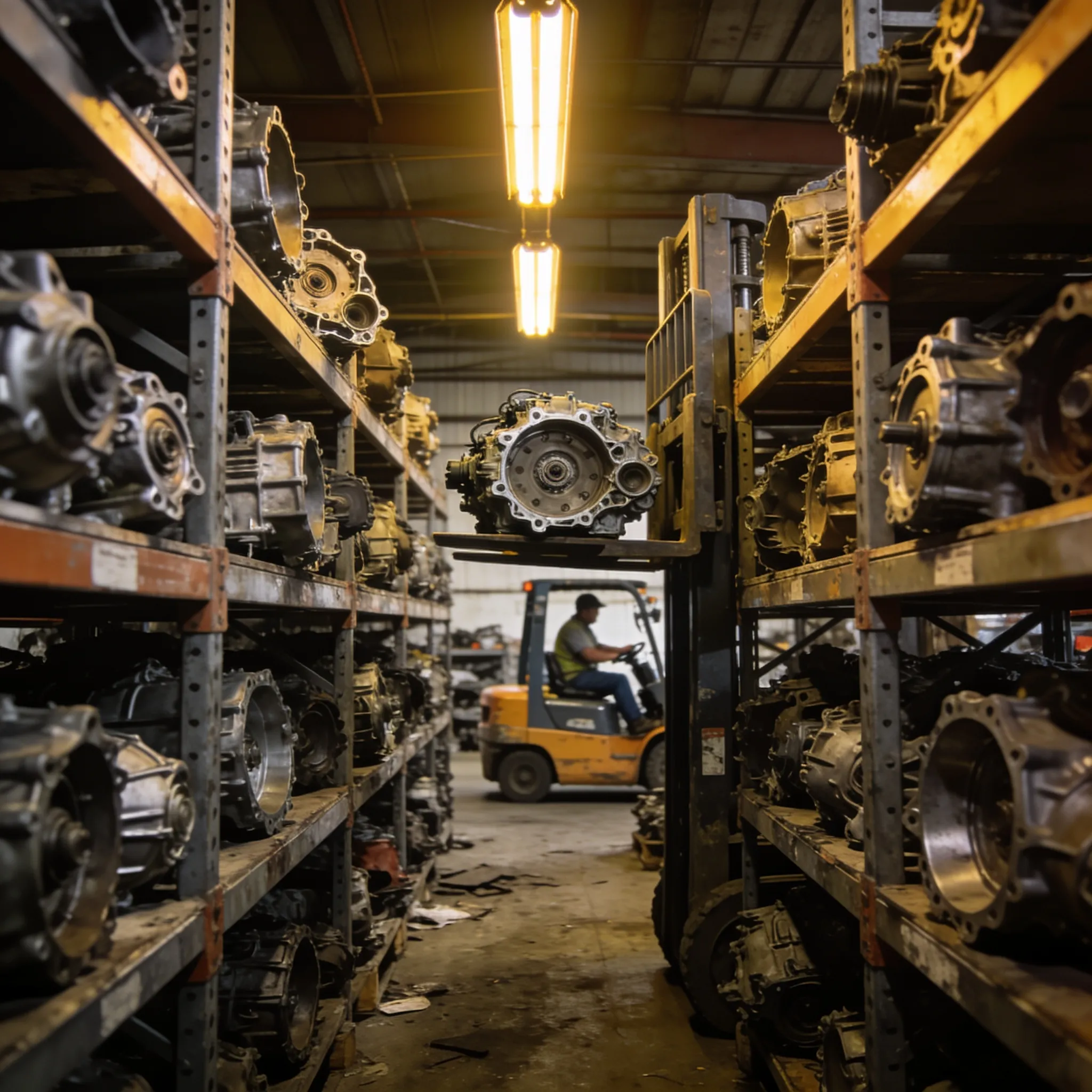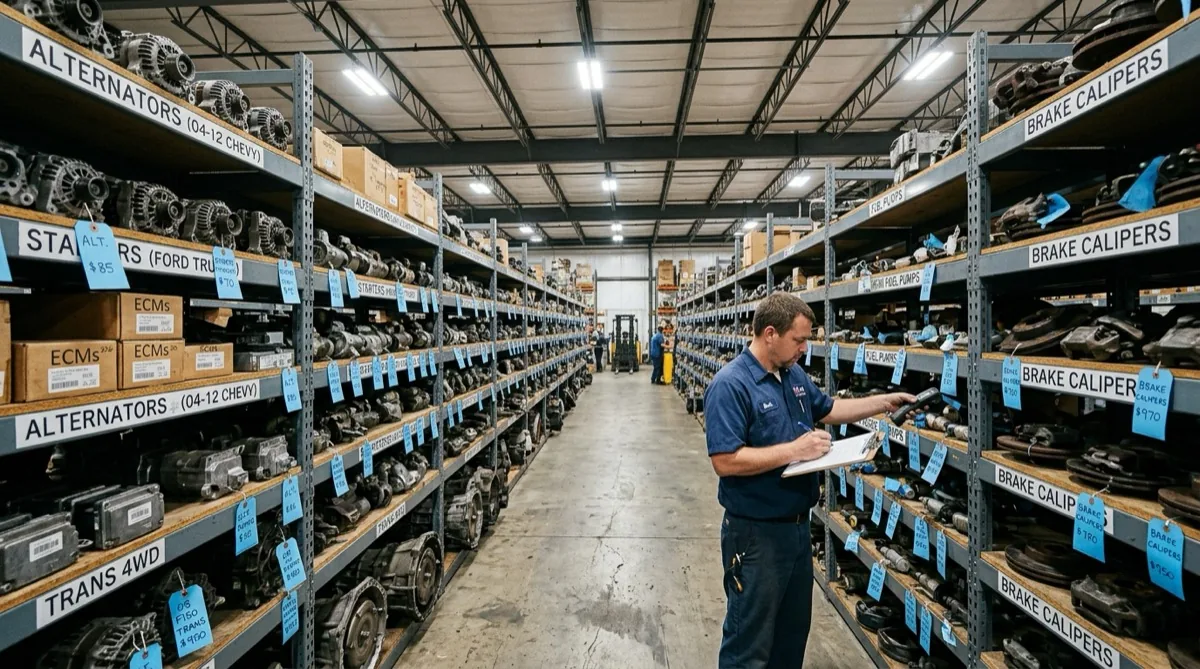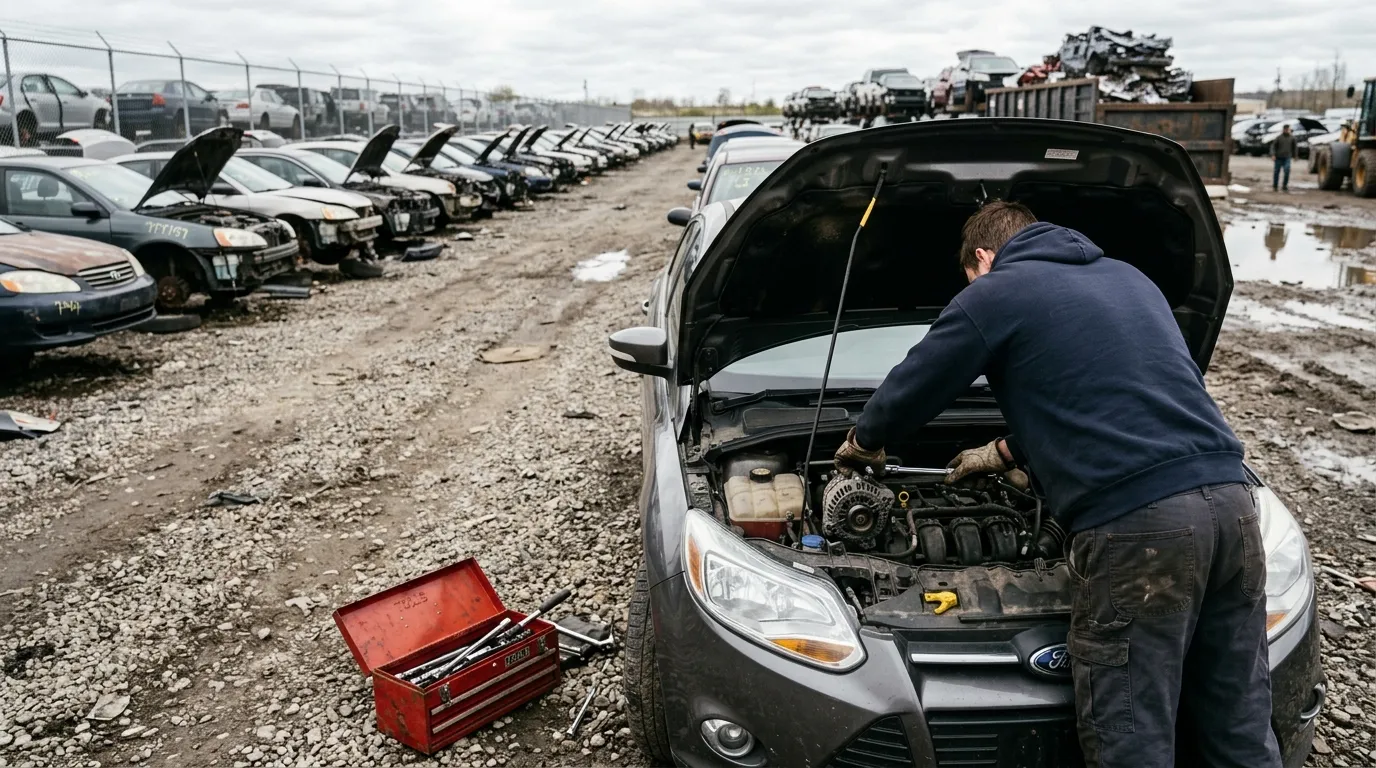
Junkyard parts cost anywhere from $80 for a throttle body or blower motor to $2,470 for a complete engine, based on real asking prices across U.S. salvage yards. The median price across all 48 part categories in our index sits around $165, making a junkyard the cheapest source for most mechanical and body components on a used vehicle.
Those figures come from our analysis of 2.5 million priced salvage yard listings collected in August 2026, covering 48 distinct part categories across every major make and model. Below, you'll find the exact median price for every part we track, organized by price tier, along with a breakdown of how yard type, part grade, and location affect what you actually pay.
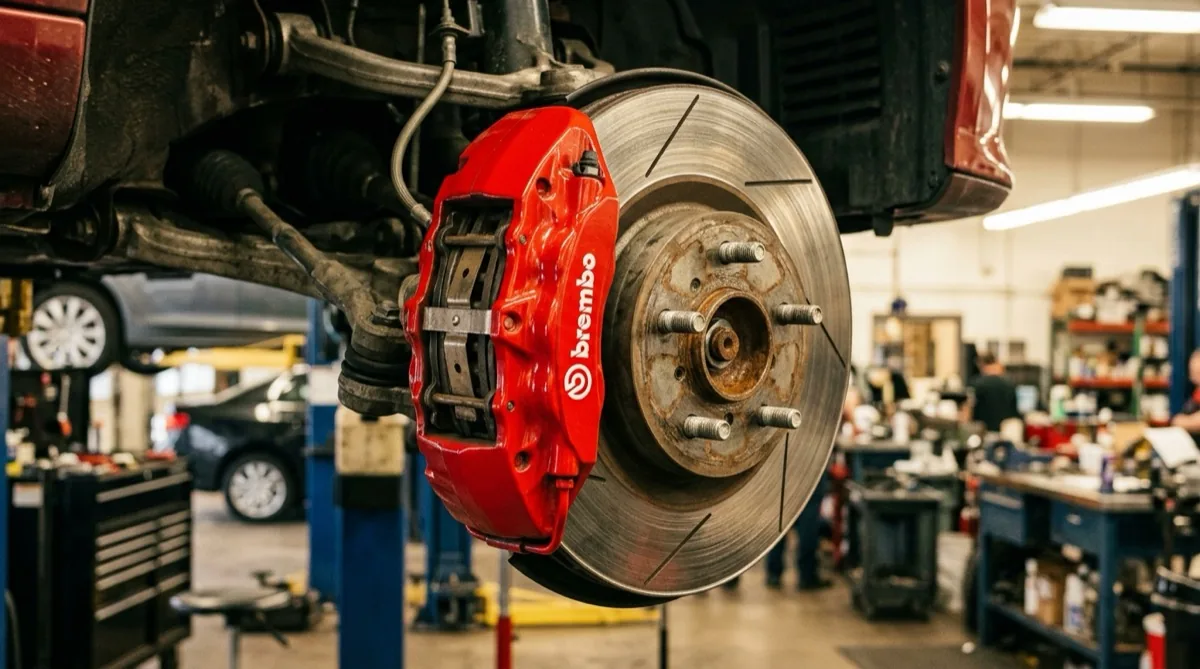
- Budget parts ($80–$125): Starters ($91), alternators ($100), brake calipers ($82), throttle bodies ($80), and blower motors ($80) are the cheapest categories
- Mid-range parts ($125–$300): Radiators ($178), struts ($138), AC compressors ($153), side mirrors ($220), and wheels ($200) fall in the middle
- Premium parts ($300+): Engines ($2,470), transmissions ($1,400), headlight assemblies ($620), and steering racks ($340) carry the highest price tags
- Self-pull yards charge 30–50% less than full-service yards for the same part, but you supply the labor and tools
- Dataset: 2.5 million priced listings across 48 parts, August 2026
What Junkyards Charge in 2026
The short answer: it depends entirely on the part. A used starter runs $91 median while a complete engine runs $2,470. That 27x spread reflects the reality of salvage pricing: cheap parts are cheap because they're abundant and easy to pull, expensive parts are expensive because they're labor-intensive to remove and high-demand.
Here are the 10 most commonly purchased junkyard parts and their current median prices:
| Part | Median Price | Listings in Index |
|---|---|---|
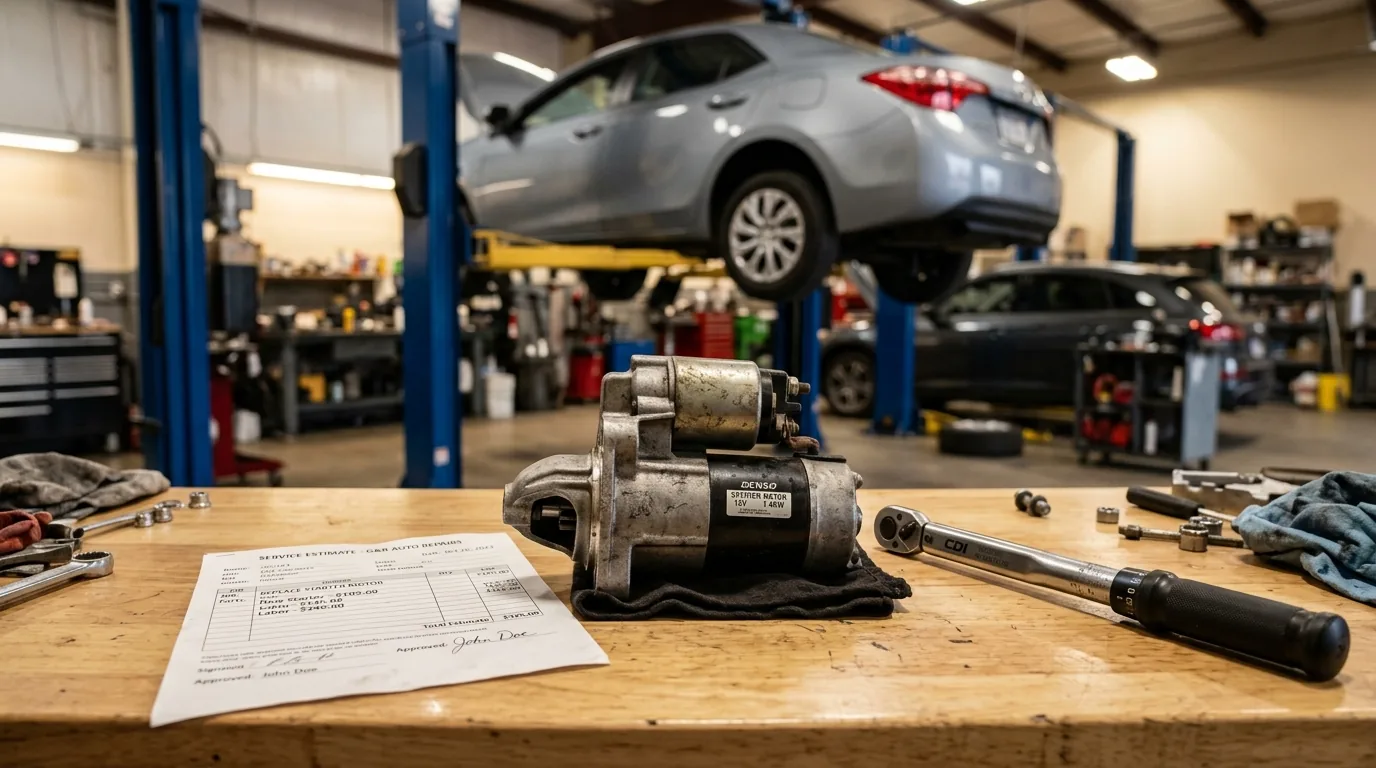
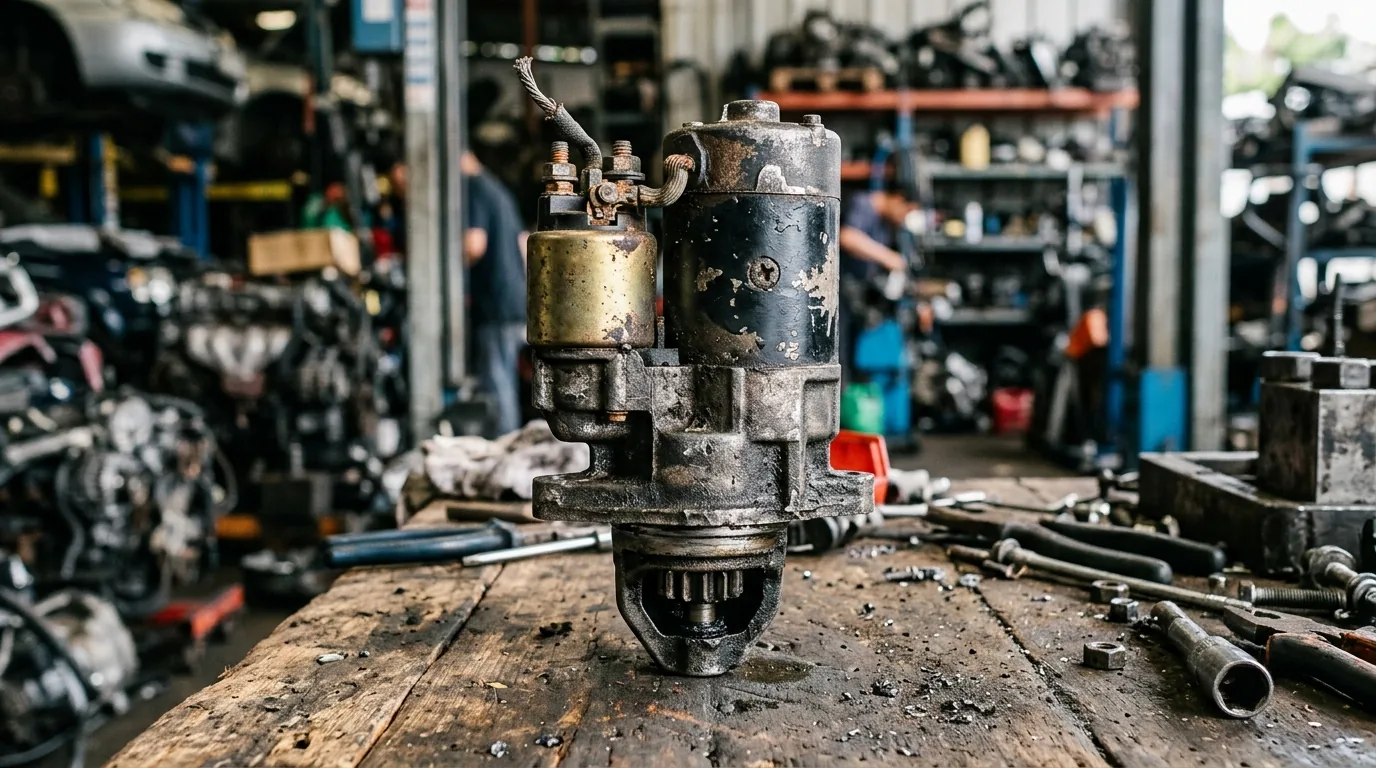
| Starter | $91 | 42,026 |
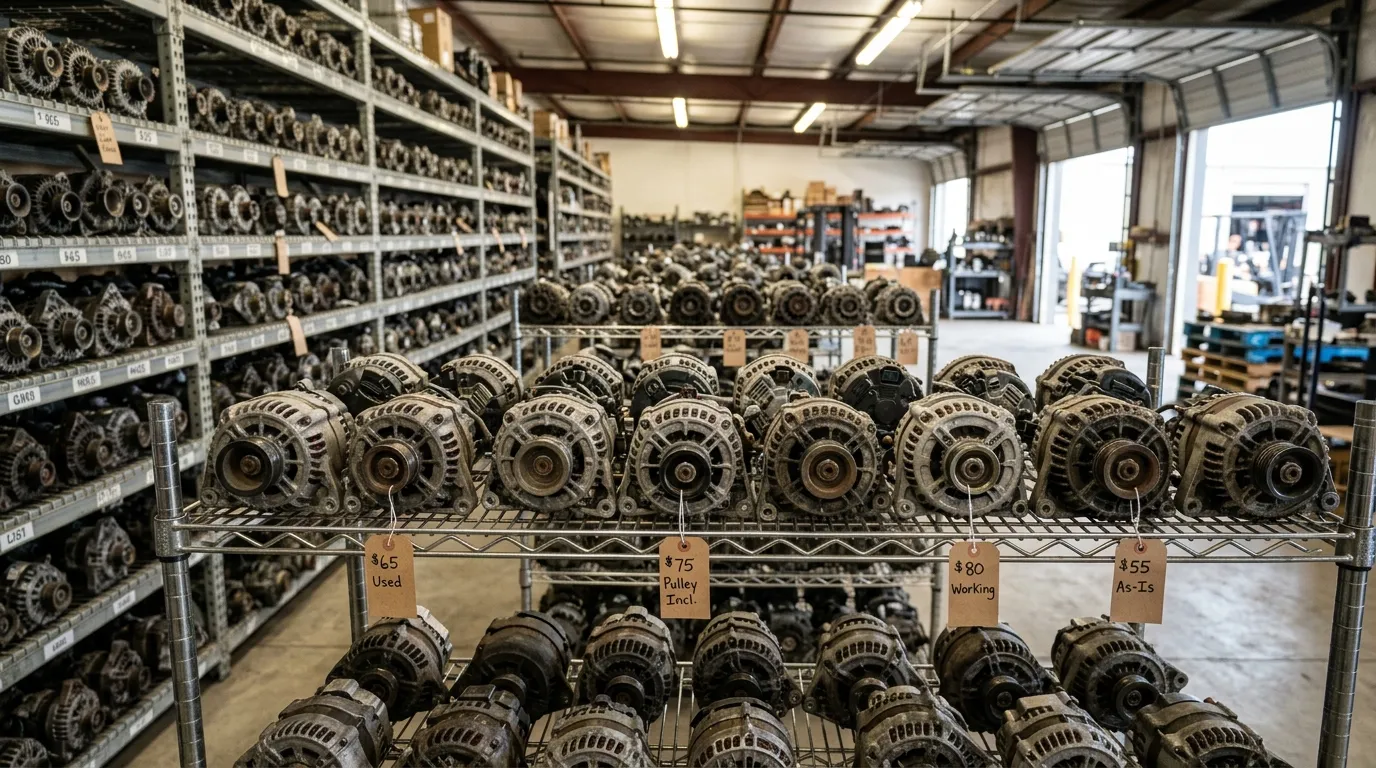
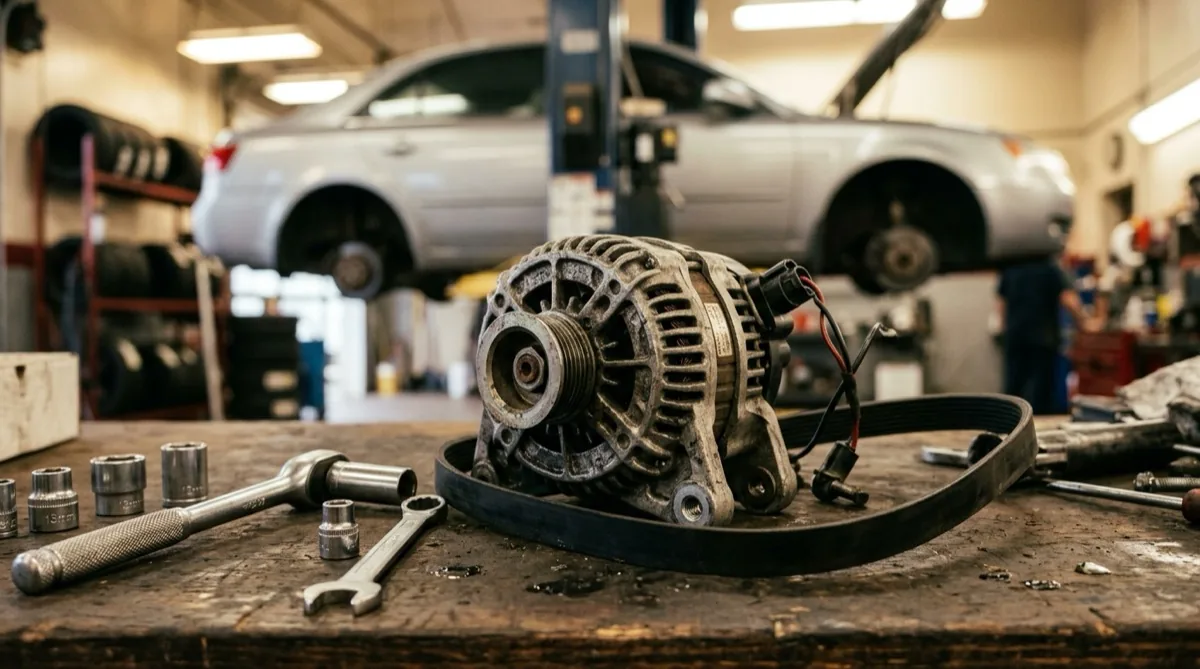
| Alternator | $100 | 56,927 |
| Brake Caliper | $82 | 46,020 |
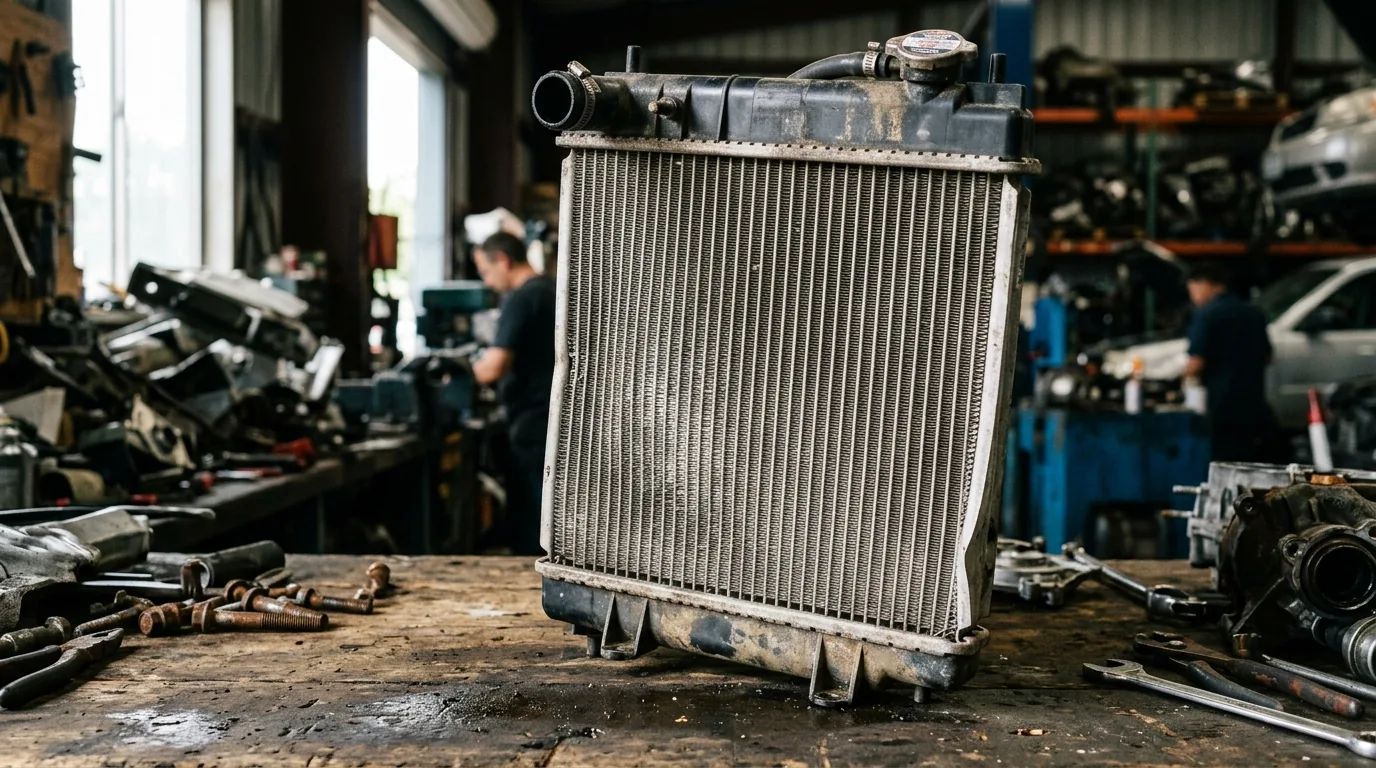
| Radiator | $178 | 68,713 |
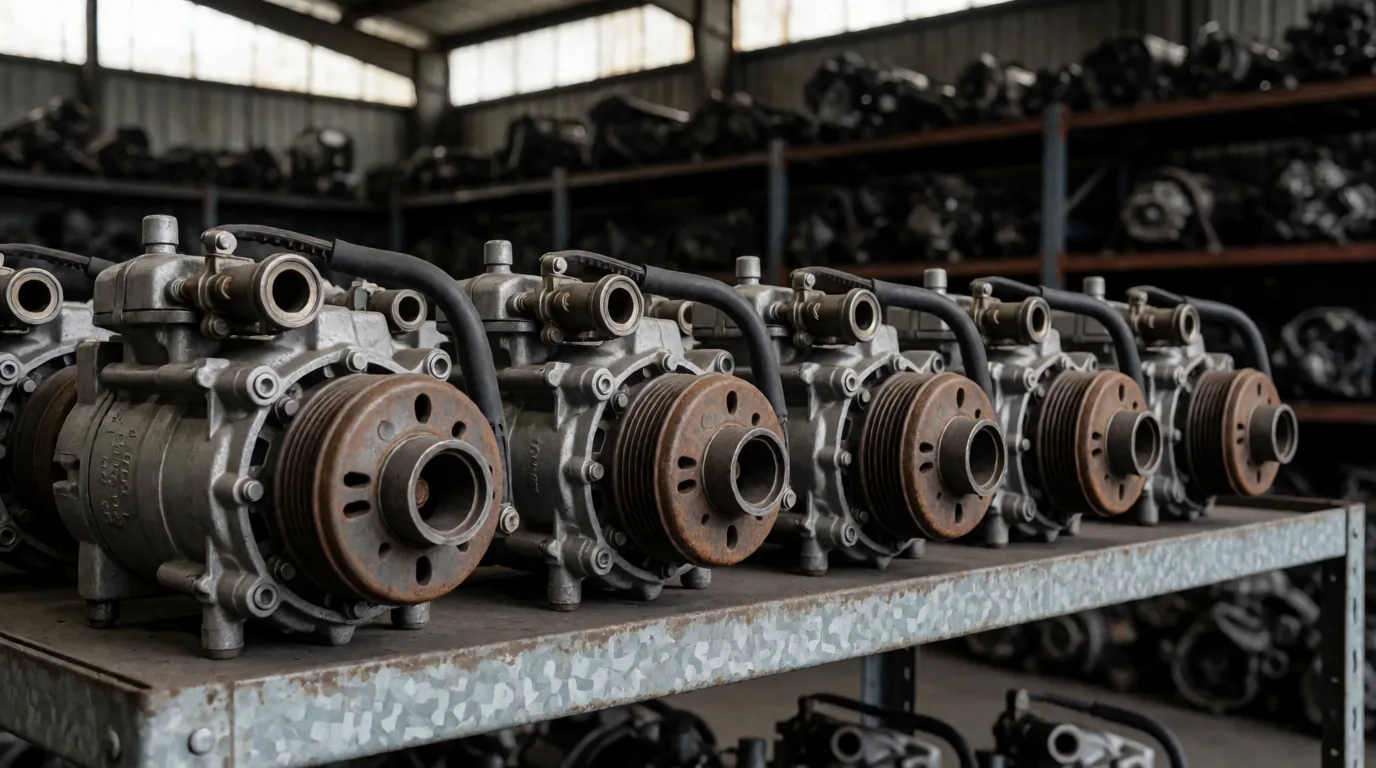
| AC Compressor | $153 | 48,671 |
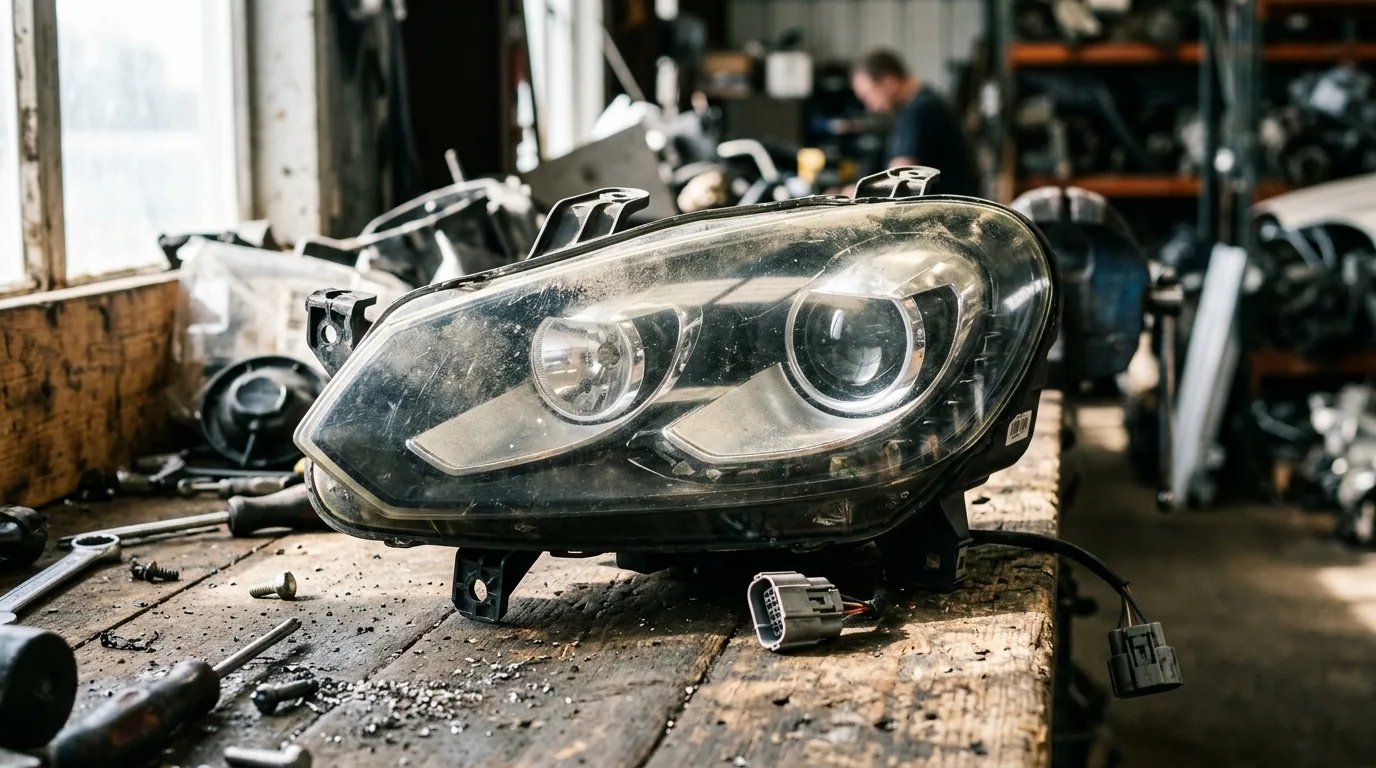
| Headlight Assembly | $620 | 134,693 |
| Side Mirror | $220 | 205,595 |
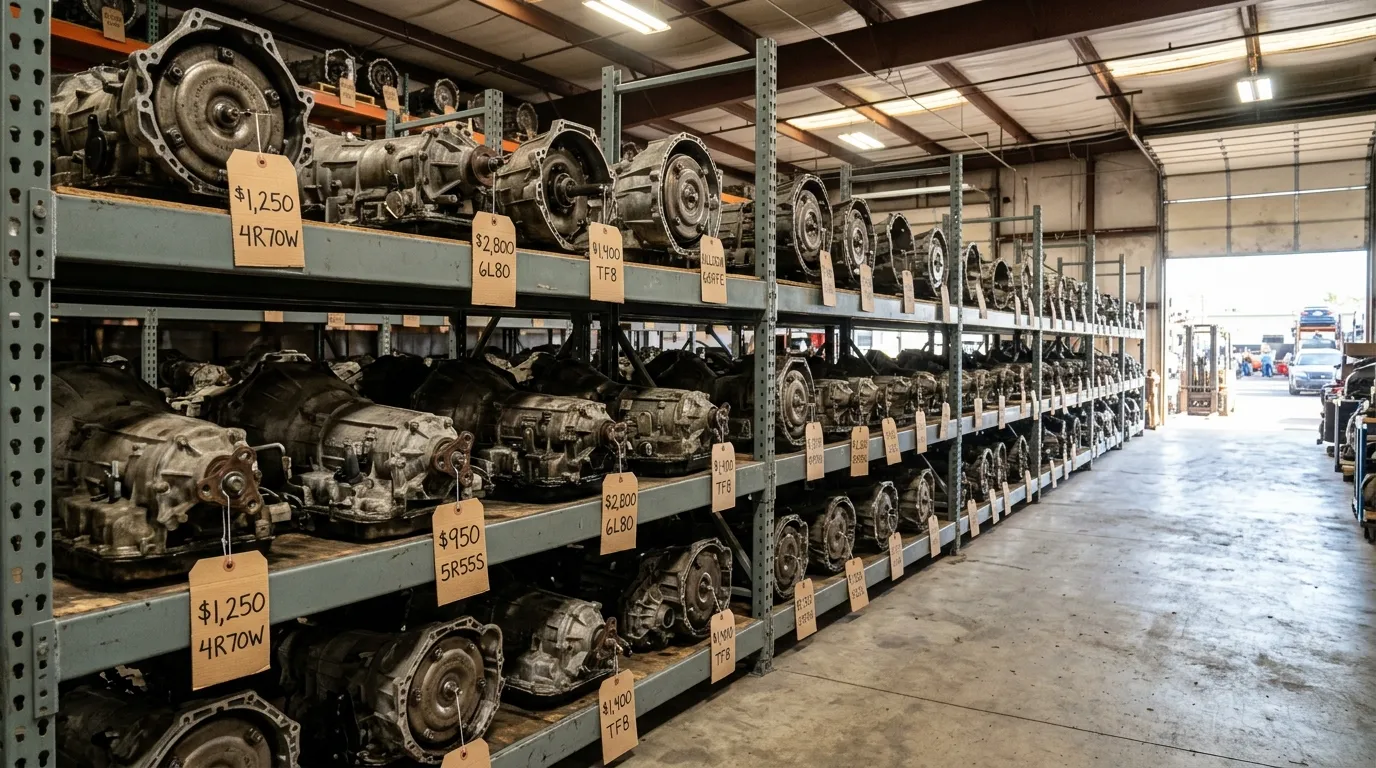
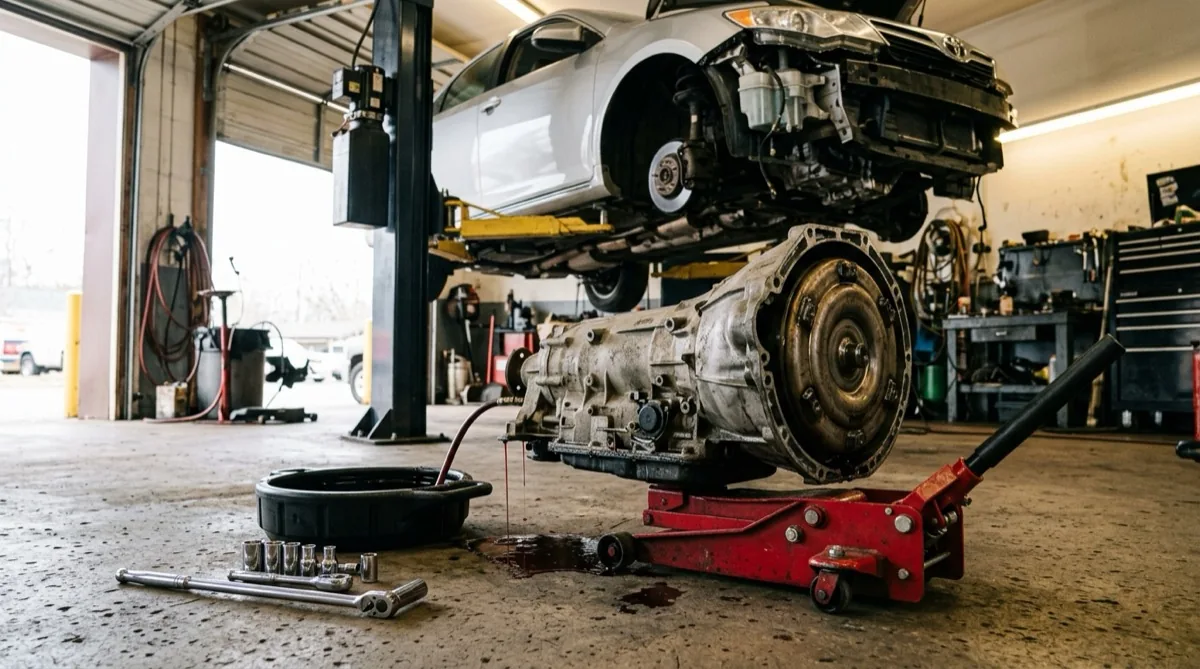
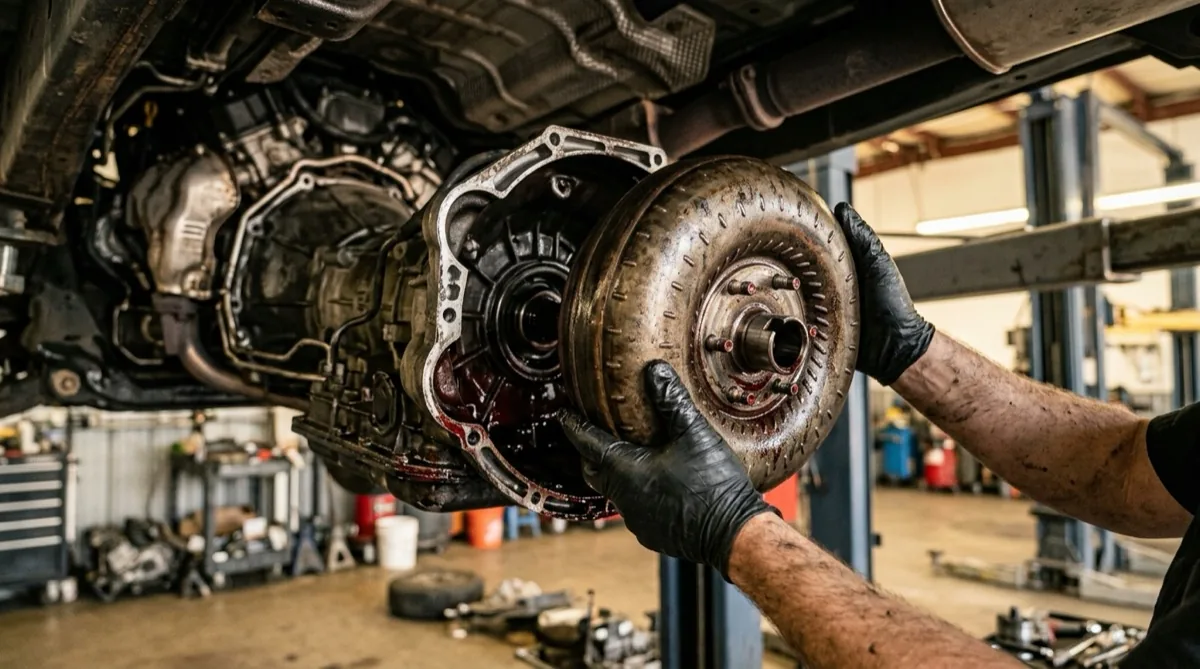
| Transmission | $1,400 | 95,948 |
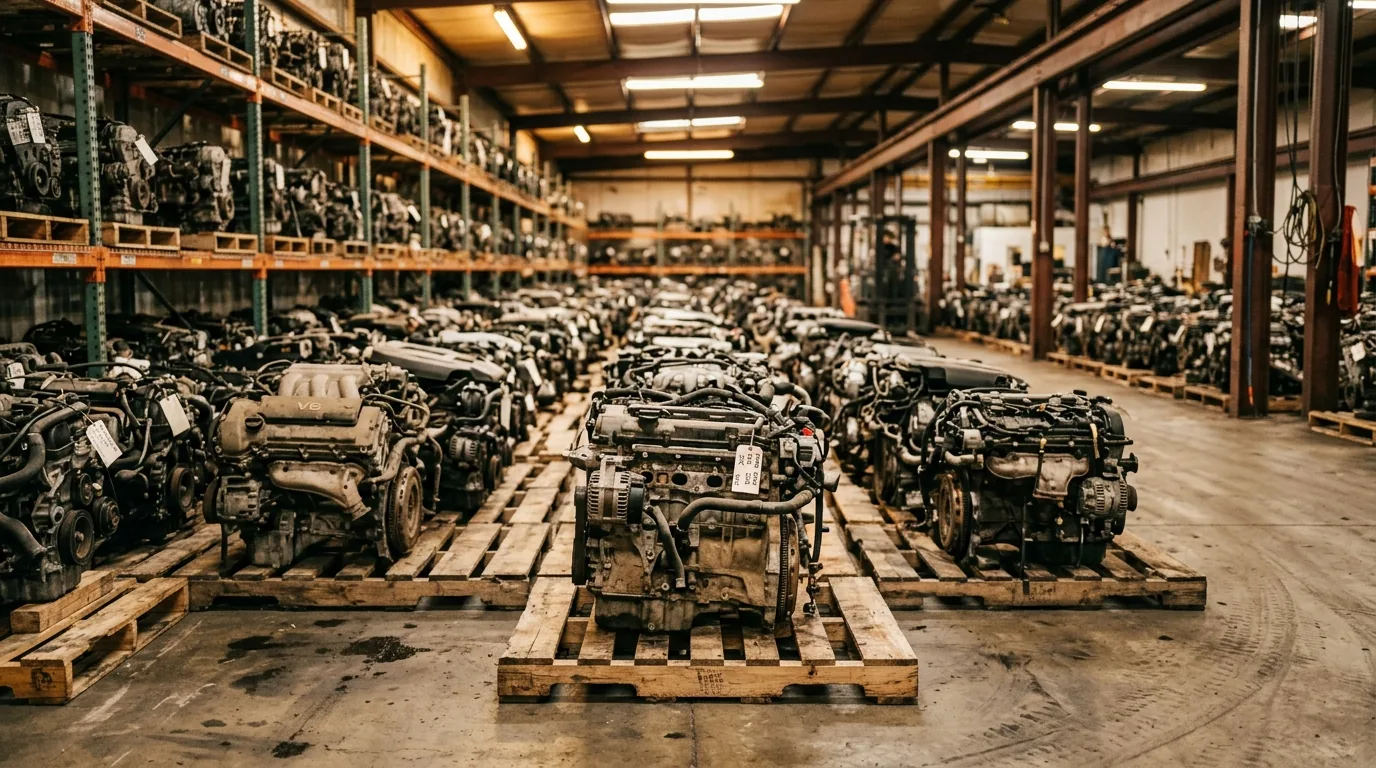
| Engine | $2,470 | 66,520 |
| Wheels | $200 | 198,127 |
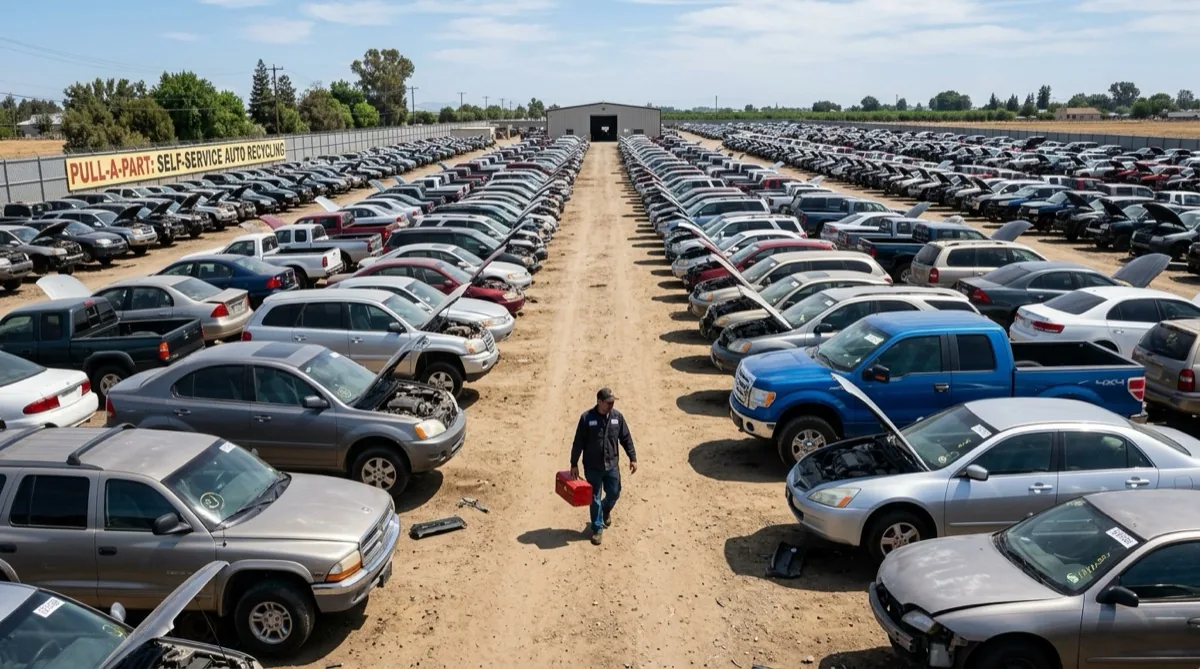
These are median asking prices at full-service salvage yards. Self-pull yards like Pull-A-Part and LKQ Pick Your Part run 30–50% below these figures on most components. For a complete breakdown of what you'd pay at a self-service versus full-service yard, see the comparison table below.
How Junkyard Pricing Works
Junkyard pricing isn't random. Three factors determine what a yard charges for any given part: the part grade, the yard type, and the local market.
Part Grades: A, B, and C
Most full-service yards use the A/B/C grading system developed by the Automotive Recyclers Association. The grade determines the price tier:
- Grade A — Under 60,000 miles on the donor vehicle, less than 15,000 miles per year average, and minimal visible wear. These parts command top dollar and are the closest thing to new you'll find at a salvage yard.
- Grade B — Under 200,000 miles with normal wear. The sweet spot for most buyers: functional, reasonably fresh, and 15–30% cheaper than Grade A.
- Grade C — Over 200,000 miles or visible cosmetic damage. These work for beater cars and temporary fixes. Expect 30–50% off the Grade A price.
For body panels (bumpers, fenders, hoods), grades are based on visible damage measured in credit-card-sized units rather than mileage. A Grade A bumper has one or fewer damaged areas; a Grade C bumper has noticeable scratches, dents, or cracks.
Yard Type: Self-Pull vs Full-Service
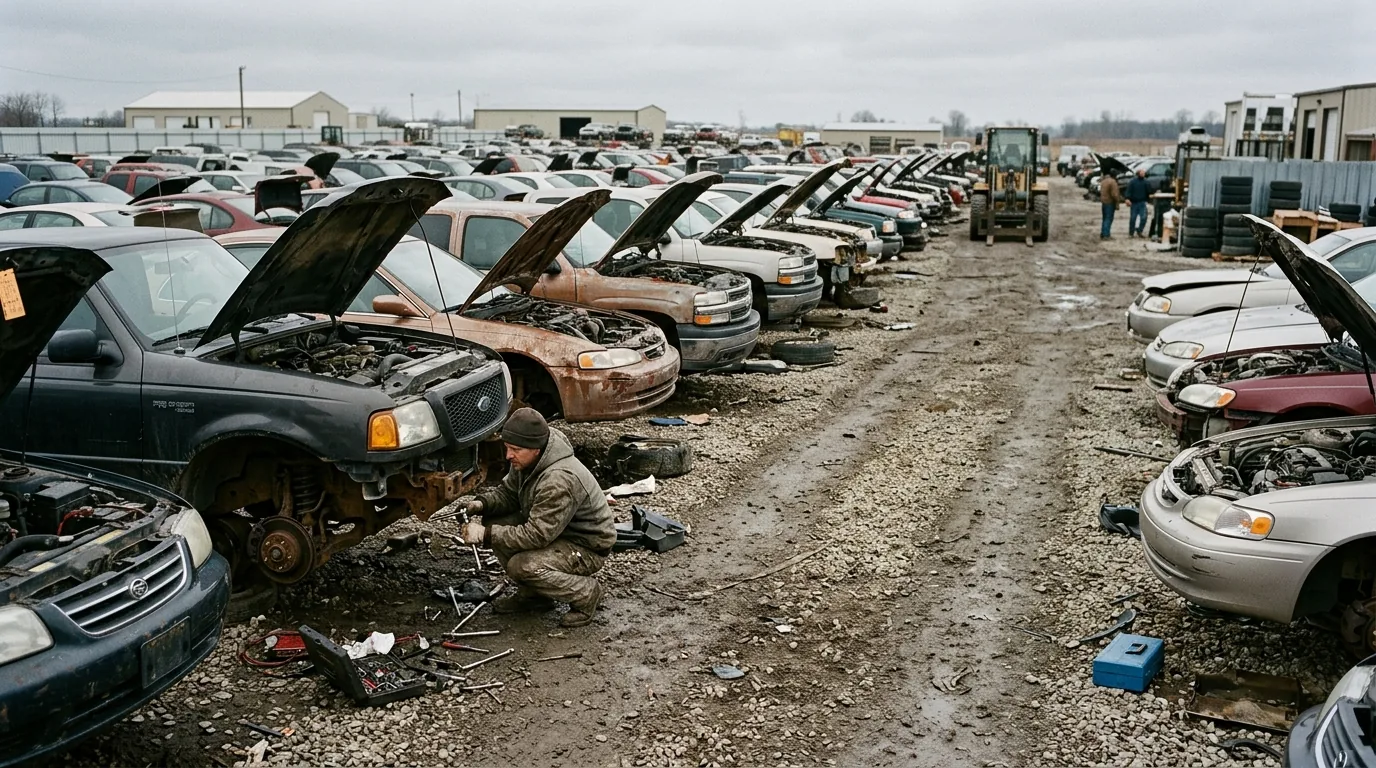
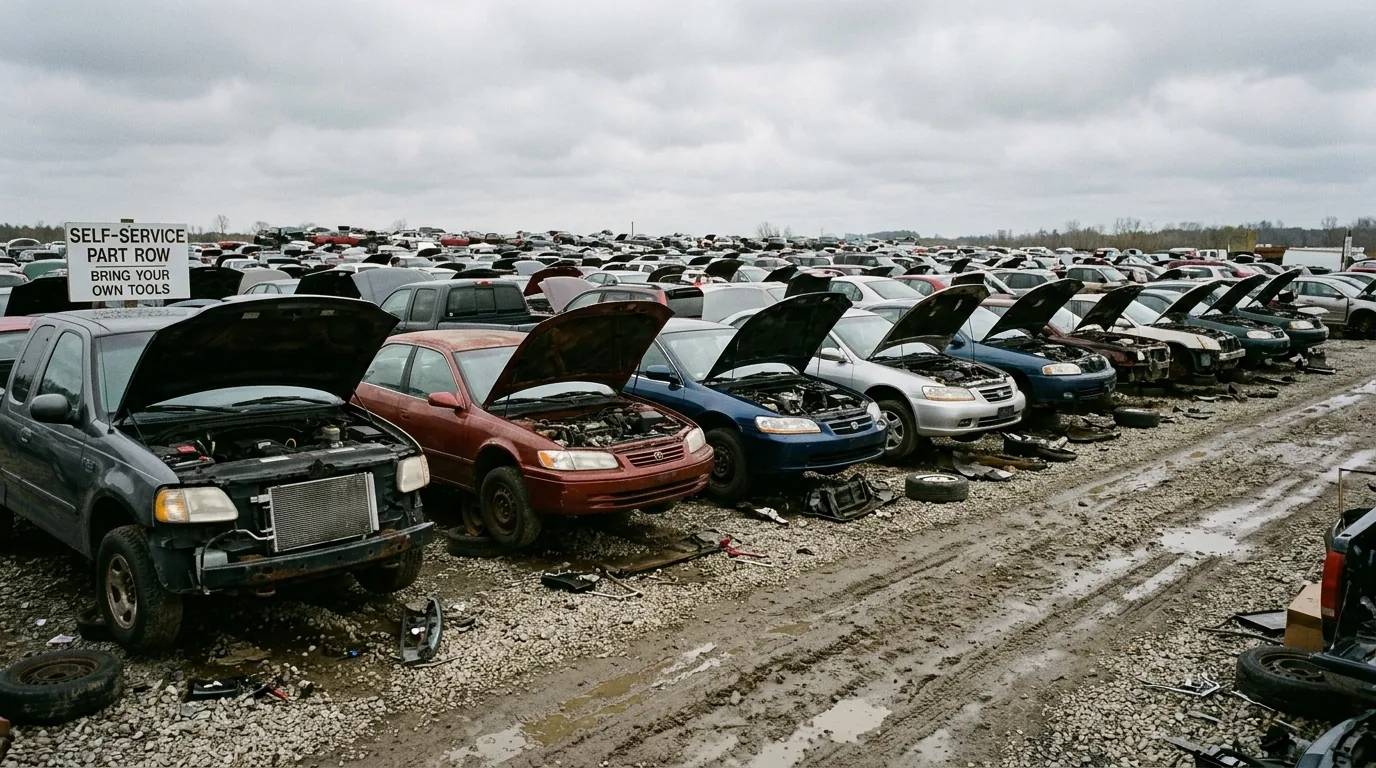
Self-service yards (Pull-A-Part, LKQ Pick Your Part, U-Pull-It) charge a flat entry fee of $2–$5 and then set a fixed price per part regardless of vehicle. You bring tools, find the car in the lot, and pull the part yourself. No grade system, no warranties, and no assistance.
Full-service yards pull the part for you, grade it, clean it, and often test it. The convenience adds 30–50% to the price, but you get a warranty (typically 30–90 days) and assurance that the part has been inspected.
Local Market
Prices vary by region. Yards in the Rust Belt carry fewer clean body panels, driving exterior part prices up. Yards in the Southwest have drier, less-corroded inventory, which commands a premium on mechanical parts from out-of-state buyers. Port cities with high import volumes tend to have cheaper foreign-make parts.

Every Part by Price Tier
Here's every part in our index, sorted into three pricing tiers. All prices are medians from full-service yard listings.
Budget Tier: Under $125
These parts are cheap at a junkyard and even cheaper at a self-pull yard. For most of them, the replacement labor cost exceeds the part price.
| Part | Median | Listings |
|---|---|---|
| Throttle Body | $80 | 13,686 |
| Blower Motor | $80 | 11,012 |
| Brake Caliper | $82 | 46,020 |
| Starter | $91 | 42,026 |
| Ignition Switch | $99 | 13,827 |
| Master Cylinder | $99 | 9,763 |
| Alternator | $100 | 56,927 |
| Water Pump | $100 | 12,727 |
| Rear View Mirror | $103 | 19,207 |
| Window Regulator | $110 | 13,933 |
| Heater Core | $116 | 8,571 |
| Fuel Pump | $120 | 42,930 |
| Transmission Control Module | $121 | 131,361 |
Mid-Range Tier: $125–$300
The middle of the market. These parts are expensive enough that the junkyard savings over new or aftermarket are significant, usually $100–$400 per part.
| Part | Median | Listings |
|---|---|---|
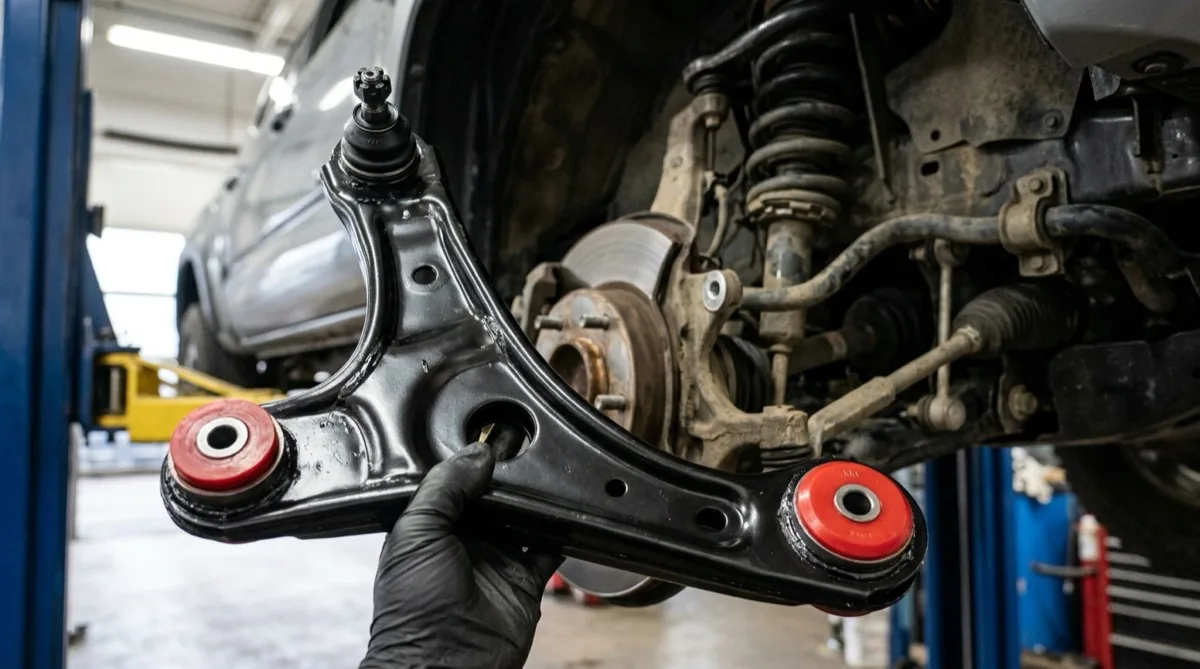
| Control Arm | $125 | 27,279 |
| Center Console | $131 | 36,131 |
| Axle Shaft | $135 | 162,070 |
| Strut | $138 | 95,928 |
| Intake Manifold | $141 | 14,738 |
| Fog Light | $143 | 22,884 |
| AC Compressor | $153 | 48,671 |
| Engine Computer (ECU) | $154 | 42,536 |
| AC Condenser | $155 | 36,771 |
| Power Steering Pump | $160 | 10,656 |
| Steering Column | $166 | 32,820 |
| Steering Wheel | $174 | 28,066 |
| Radiator | $178 | 68,713 |
| ABS Module | $184 | 28,289 |
| Fuel Tank | $190 | 20,652 |
| Tail Light | $199 | 131,573 |
| Wheels (each) | $200 | 198,127 |
| Drive Shaft | $200 | 28,888 |
| Car Radio | $202 | 70,539 |
| Grille | $215 | 128,554 |
| Side Mirror | $220 | 205,595 |
| Exhaust Manifold | $225 | 8,074 |
| Rear Bumper | $241 | 42,722 |
| Front Bumper | $250 | 39,030 |
| Fender | $264 | 58,817 |
| Torque Converter | $275 | 1,245 |
Premium Tier: Over $300
These are the big-ticket junkyard purchases. A used engine or transmission from a salvage yard still saves thousands compared to new or remanufactured, and the savings grow with vehicle age.
| Part | Median | Listings |
|---|---|---|
| Sunroof | $300 | 11,805 |
| Transfer Case | $308 | 40,954 |
| Steering Rack | $340 | 61,700 |
| Turbocharger | $446 | 18,129 |
| Hood | $575 | 26,991 |
| Headlight Assembly | $620 | 134,693 |
| Tailgate | $923 | 25,586 |
| Transmission | $1,400 | 95,948 |
| Engine | $2,470 | 66,520 |
For engines and transmissions specifically, our junkyard engine pricing guide and junkyard transmission pricing guide cover what to inspect before committing to a high-dollar purchase.
Self-Pull vs Full-Service Yards
The biggest pricing lever isn't the part, it's the type of yard. Here's how the two models compare on common parts:
| Part | Full-Service Median | Self-Pull Estimate | Savings |
|---|---|---|---|
| Starter | $91 | $45–$65 | 29–51% |
| Alternator | $100 | $50–$70 | 30–50% |
| Radiator | $178 | $90–$125 | 30–49% |
| AC Compressor | $153 | $75–$110 | 28–51% |
| Side Mirror | $220 | $110–$155 | 30–50% |
| Headlight Assembly | $620 | $310–$435 | 30–50% |
Self-pull makes sense when you own basic hand tools, you're comfortable identifying the part on an unfamiliar vehicle, and you can physically remove it. Starters, alternators, mirrors, lights, and wheels are straightforward pulls. Budget about an hour per part on your first visit, less once you know the yard's layout.
Full-service makes sense when the part is buried (heater cores, some starters on V6 engines), when you need a tested and graded unit, or when you want a warranty. The 30–50% premium buys you inspection, cleaning, and a 30–90 day return window. On a $2,470 engine, that warranty is worth the upcharge.
For a deeper comparison of self-service versus full-service yards including what tools to bring and which parts are worth pulling yourself, see our used auto parts price guide.
What Drives Prices Up or Down
Five things affect whether you'll pay above or below the median for a given part:
1. Vehicle popularity. Parts for high-volume vehicles like the Ford F-150, Toyota Camry, and Honda Civic are both cheaper and easier to find. These models flood junkyards in large numbers, keeping supply high and prices competitive. Less common vehicles, especially European luxury models, carry a 20–40% premium because fewer donors enter the salvage stream.
2. Part condition and grade. A Grade A alternator from a 40,000-mile vehicle commands 15–30% more than a Grade B unit from a 150,000-mile car. For body panels, the paint match matters: a color-matched fender requires no paint work, saving $300–$500 in body shop costs even if the part itself costs more.
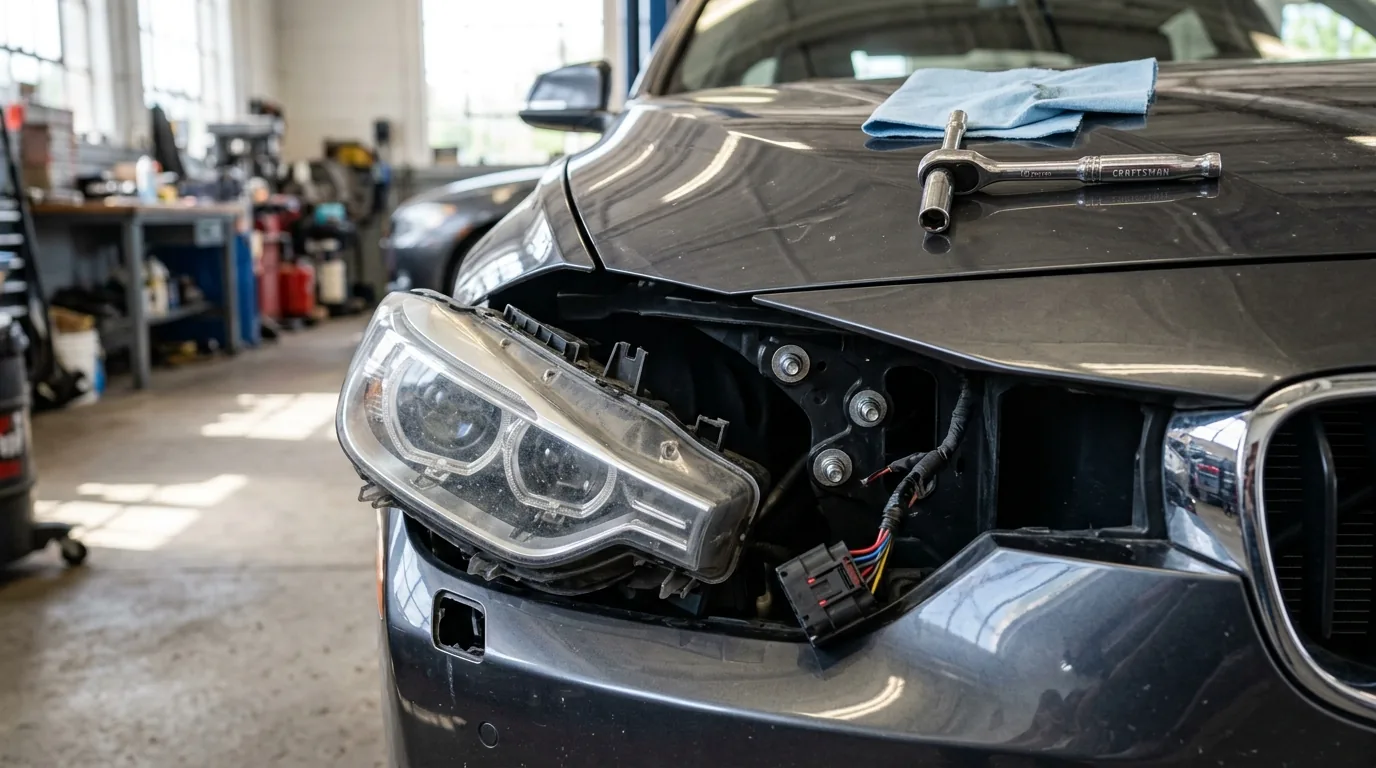
3. Supply and demand cycles. Headlight assemblies ($620 median) are expensive because modern LED and projector headlights are the most frequently damaged and replaced part in minor collisions, yet donor vehicles with intact headlights are limited. Conversely, starters and alternators are cheap because they're plentiful and rarely damaged in crashes.
4. Regional inventory. Yards in the southern and western U.S. carry cleaner, less-corroded inventory. Mechanical parts from these regions often command a premium from out-of-state online buyers. Rust Belt yards discount body panels that show surface corrosion but price mechanical parts competitively because the internals are unaffected.
5. Seasonality. AC compressors and condensers spike in spring and summer. Heater cores and blower motors see higher demand in fall. Buying off-season can save 10–15% on climate-control components.
How to Get the Best Price
Check prices before you go. Use our part price lookup to see the current median for your specific part and vehicle. Walk into the yard knowing what a fair price looks like. Yards that won't match market pricing aren't worth your time.
Call multiple yards. Prices for the same part can vary 20–30% between yards in the same metro area. A five-minute phone call to three yards beats driving to the first one you find. Ask about the part grade, warranty, and core charge (if any).
Ask about package deals. If you're buying multiple parts from the same donor vehicle, most yards will discount the bundle. Pulling an engine computer alongside a transmission control module from the same car is a natural pairing that yards are happy to discount.
Bring your own tools to self-pull yards. You'll need a basic socket set (10mm through 19mm covers most imports and domestics), a breaker bar, pliers, wire cutters, and a parts tray. Some yards rent tools at the gate, but the selection is limited and the cost adds up.
Inspect before you commit. Spin pulleys on alternators, starters, and water pumps to check for grinding. Look for coolant residue on radiators and heater cores. Check wiring harness connectors on engine computers for bent or corroded pins. Our junkyard alternator buying guide, junkyard starter guide, and junkyard radiator guide cover part-specific inspection in detail.
When a Junkyard Part Isn't Worth It
Not every repair benefits from a salvage part. Skip the junkyard when:
The part is a wear item. Brake pads, rotors, timing belts, serpentine belts, and filters are cheaper to buy new aftermarket than to source used. They also have unpredictable remaining life, no matter the mileage on the donor vehicle.
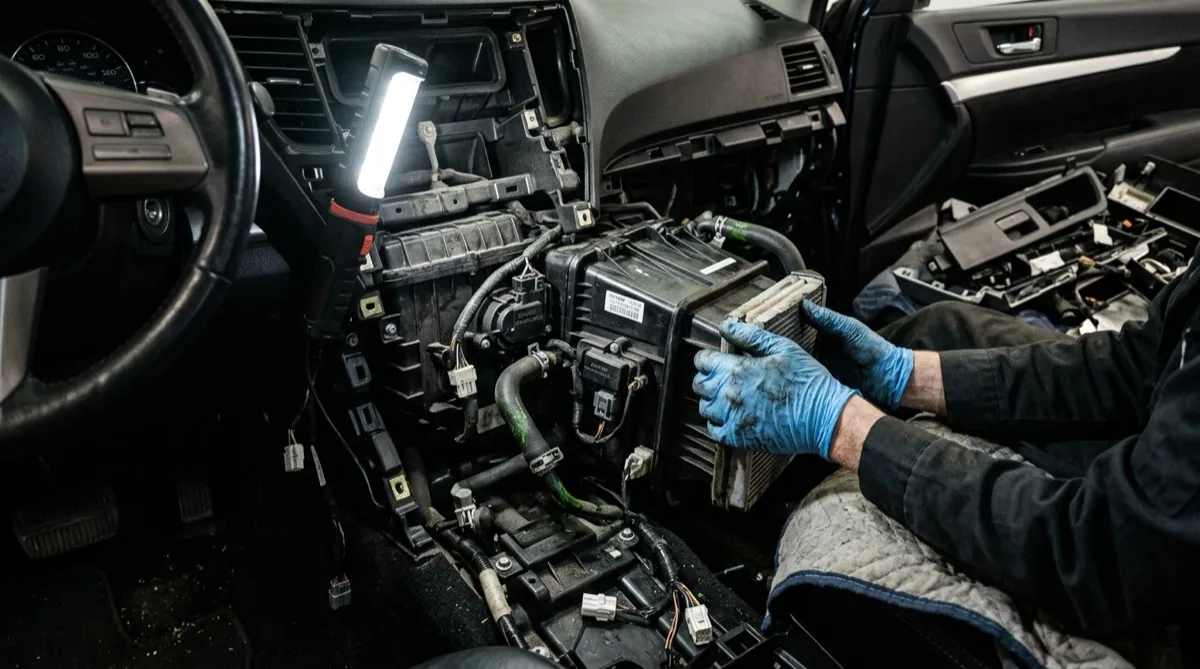
The replacement labor dwarfs the part cost. A heater core costs $116 median used, but heater core replacement labor runs $876–$1,285 because the dashboard has to come out. If the used heater core fails six months later, you're paying that labor bill twice. On high-labor parts, a new unit with a full warranty is worth the upcharge. The same logic applies to timing chains and some water pump jobs.
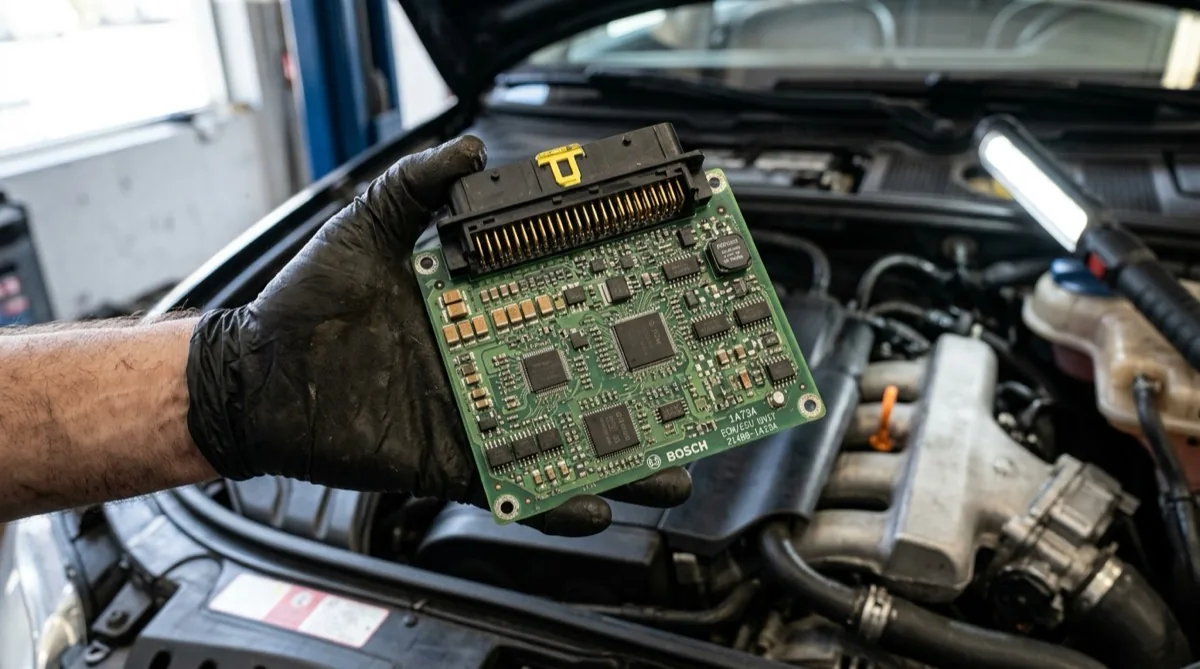
The part requires programming. Used engine computers ($154 median) and transmission control modules ($121 median) often need dealer-level programming to work in a different vehicle. Programming runs $150–$300 on top of the part price, narrowing the gap between used and remanufactured pre-programmed units. Check whether a pre-programmed ECM is available before buying used and paying for a flash separately.
State regulations apply. Airbags cannot be legally resold in many states. Catalytic converters face increasing restrictions on used sales due to theft legislation. Check your state's rules before purchasing regulated components.
For parts where the junkyard route makes clear financial sense, you're looking at savings of 50–80% over new. That's the reason the U.S. auto salvage and dismantling market hit $72.4 billion in 2025 and continues to grow at 5.7% annually (MarketIntelo, 2025).