Radiator price snapshot
- Low
- $78
- Average
- $183
- High
- $553
Part price guide
Saurabh Kumar
Co-Founder & CTO, Part Price Guide
Built the pricing pipeline that collects and normalizes used OEM part listings from salvage yards and online marketplaces across the US.
Ambika Sharma
Co-Founder & COO, Part Price Guide
12 years of project management and technical operations experience. Reviews price guides for sample size, fitment accuracy, and data freshness.
Part overview
Across 179 vehicle models, the typical used radiator lists for $174, with model-level medians ranging from $78 to $553. Based on 181,203 priced salvage yard listings tracked by PartPriceGuide.
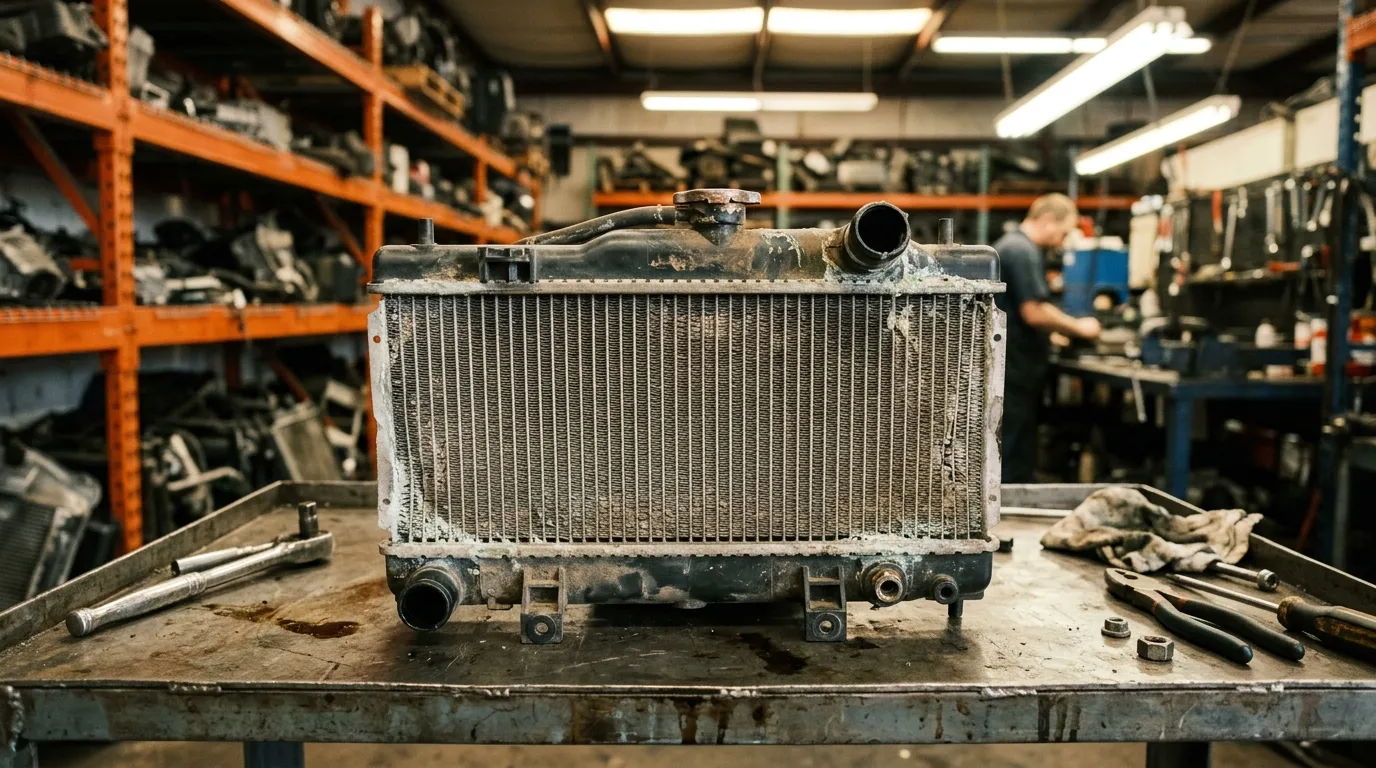
The radiator is a heat exchanger that cools engine coolant as air flows through its metal fins before circulating back to the engine.
Most often replaced due to cracked plastic end tanks, pinhole corrosion leaks, or severe clogging that leads to engine overheating.
A used radiator costs $78 to $553, with a median asking price of $174. Based on price data across 179 vehicle-specific guides. Prices exclude shipping, core charges, and installation.
Condition comparison
| Grade | Price range | Relative range | Listings |
|---|---|---|---|
| Grade AClean / low wear | $63–$850 | 179 | |
| Grade BStandard used | $87–$1,155 | 178 | |
| Grade CVisible wear | $50–$740 | 120 | |
| Grade XUngraded | $60–$549 | 179 |
Median by grade
Median asking price by seller-reported condition grade · $78–$553 overall range
Vehicle-specific reference
179 of 184 guides currently priced
Price data updating
Price data updating
Price data updating
Price data updating
Price data updating
Compare by vehicle
Keep comparing
Common questions
Across 179 vehicle-specific guides with current pricing, used radiator guide medians run from $78 to $553, with a typical median of $174. Condition grade, mileage, and fitment move the price within that range.
Usually, yes. Buying a used radiator from a salvage yard or auto recycler typically costs a fraction of the new radiator replacement cost at a dealership. Compare the grade-level medians above against any replacement quote you've received, and remember our figures exclude shipping and installation labor.
Salvage yards, junkyards, pick-and-pull lots, and online used parts marketplaces all sell used radiators. Our index tracks asking prices nationally, so you can benchmark a local quote against the market range before you buy.
Expect to pay toward the upper half of the $78–$553 range for a grade-A radiator with low mileage. Check the grade table above for the current grade-level medians, and confirm whether shipping and any core charge are included in the quote.
They can be — condition grade is the key. Grade A parts come off low-mileage vehicles with little to no damage, grade B is average, and grade C or ungraded parts are the gamble. Buy grade A or B from a yard that offers a return window or warranty, and confirm the mileage of the donor vehicle before paying. The grade-level medians above show what each tier should cost.
Yes. A engine radiator is another name for a radiator. Other common names include radiator assembly. The prices on this page apply regardless of what it's called in your region or by your mechanic.
Yes, installing a clean used radiator is a safe and budget-friendly repair as long as the core and end tanks are thoroughly inspected for damage. Auto recyclers inspect donor radiators for crash distortion, tube corrosion, and pressure leaks before making them available. Flush the inside with fresh water prior to installation to clear out any residual debris.
Carefully check the plastic side tanks for micro-cracks, discoloration, or signs of brittle stress aging. Examine the aluminum cooling fins for widespread crush damage, heavy corrosion, or dark oil residue from internal transmission cooler leaks. Ensure that inlet/outlet necks and petcock drain threads are completely intact and unstripped.
Radiator core thickness, hose connection diameters, and mounting bracket locations differ based on engine size, towing packages, and transmission options. Automatic vehicles often feature integrated fluid cooler lines inside the radiator, whereas manual models do not. Cross-referencing part numbers and VIN records prevents ordering an incompatible cooling assembly.
Key indicators of radiator failure include chronic engine overheating, visible coolant leaks along plastic tank seams, and sweet-smelling steam under the hood. Discolored, rusty coolant sludge or low coolant levels without visible hose leaks also signal internal radiator degradation. Replacing a failing radiator protects your engine block from catastrophic warp damage.
Rinse the internal passages of the used radiator thoroughly with distilled water or a mild cooling system flush solution until water runs clear. Inspect internal core tubes with a flashlight to ensure there are no heavy mineral scale deposits blocking coolant flow. Installing new upper and lower rubber hoses during replacement prevents future leaks.
Replacing a radiator is a moderate DIY job that requires draining engine coolant, disconnecting fan shrouds, and unfastening hose clamps. Properly bleeding trapped air pockets from the cooling system after refilling with fresh coolant is critical to prevent engine hot spots. Standard hand tools and a catch basin for old coolant are all that are needed.