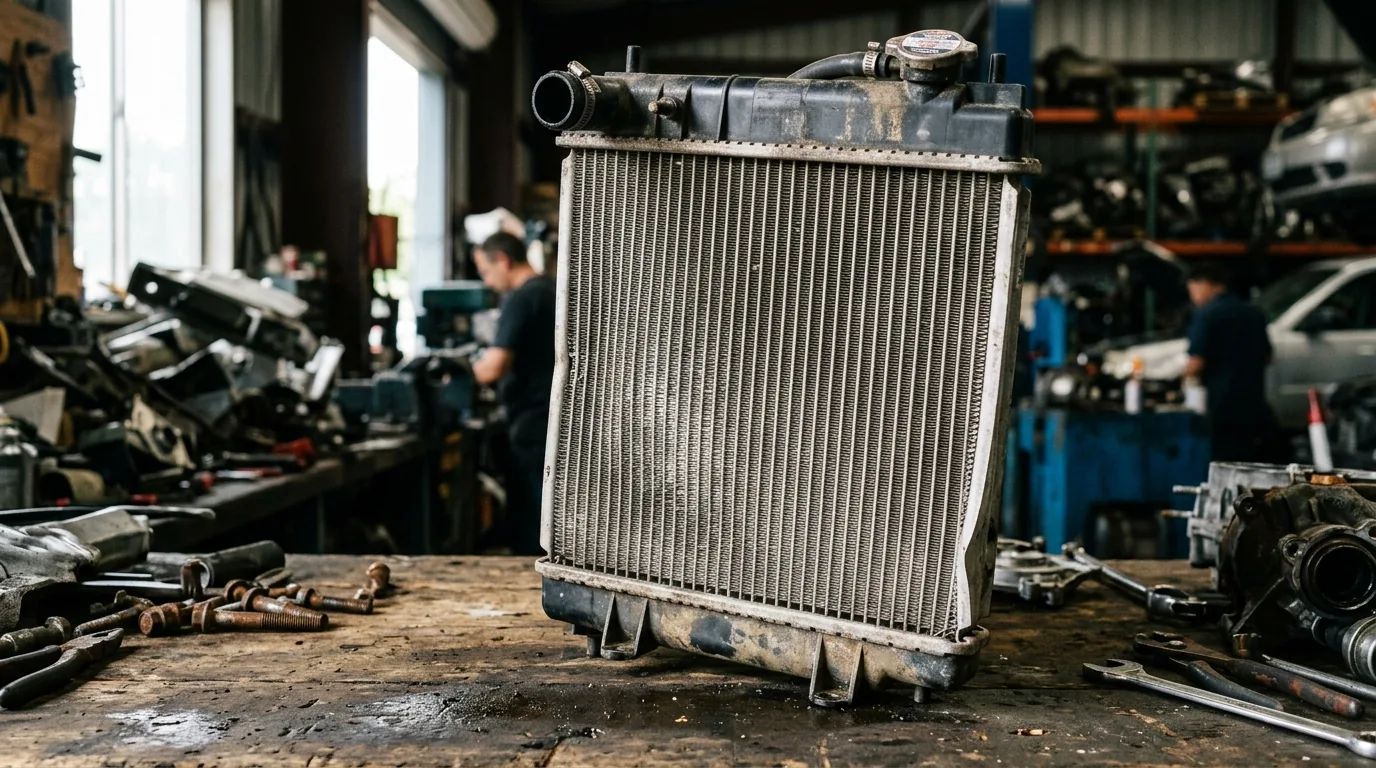
Replacing a radiator costs $308 to $1,078 total at a shop when you use a salvage-yard part, or $320 to $1,300 with a new aftermarket radiator. A used radiator runs $178 median across our index of 63 vehicle models, and labor accounts for the larger share of the bill at $190 to $600 for 2 to 4 hours of work.
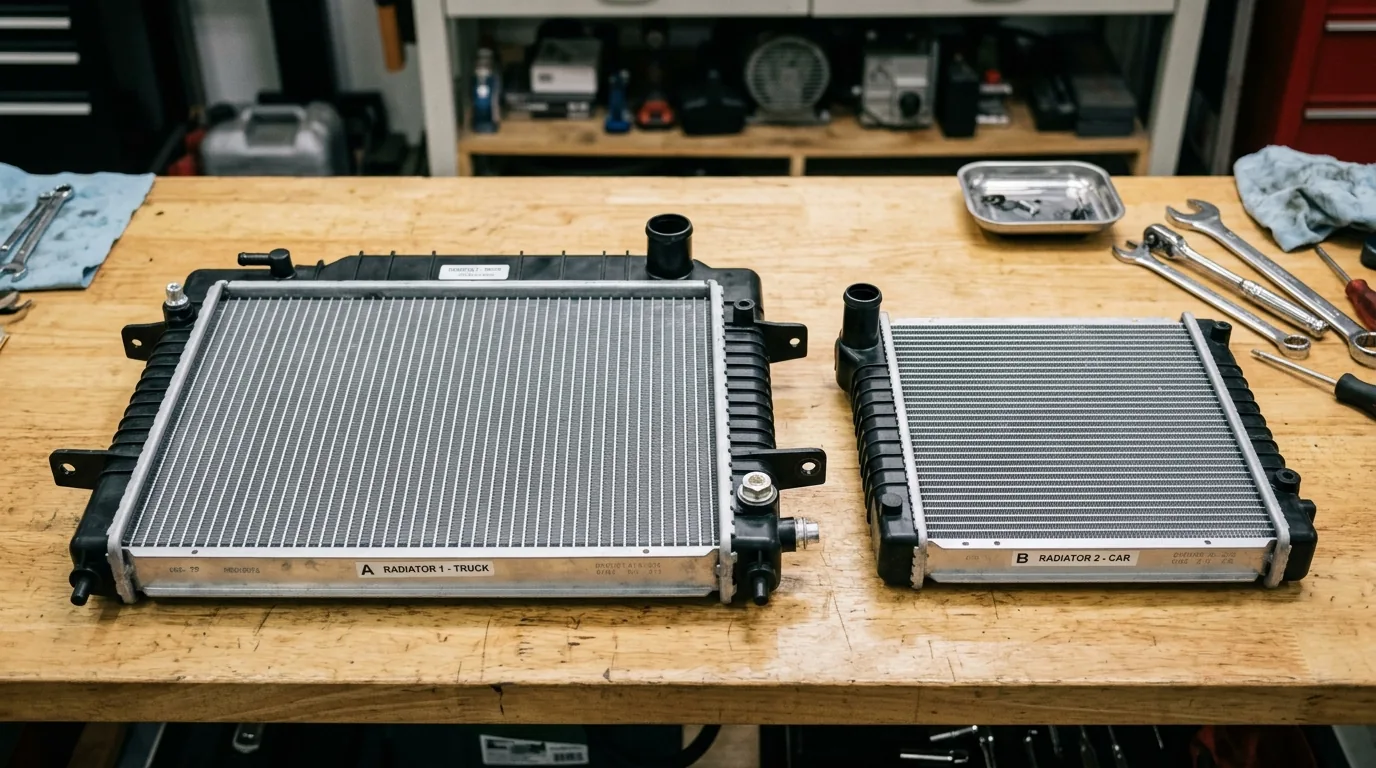
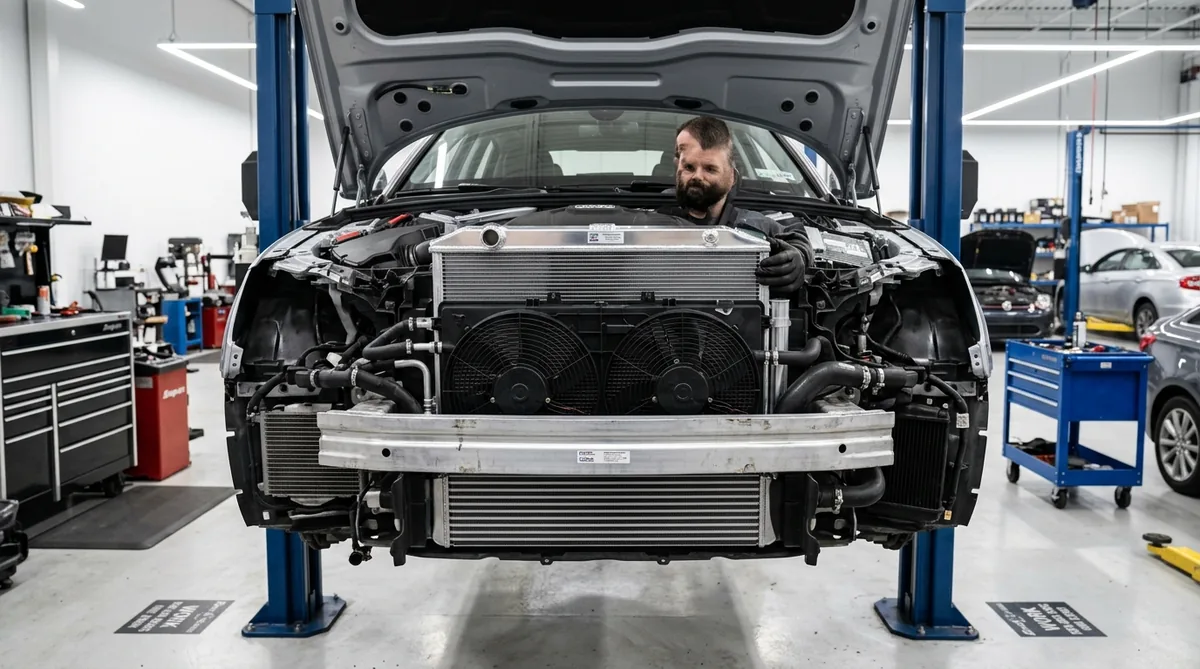
The wide cost range comes down to two factors: how your radiator mounts and whether your vehicle has automatic transmission cooler lines integrated into the radiator. A straightforward swap on a truck with easy front-end access takes about 2 hours. A transverse-engine sedan where the radiator sits behind a bumper cover and condenser stack can push past 4 hours.
Browse current salvage inventory at our radiator price listings.
- Total cost with a used radiator: $308 to $1,078. $88 to $398 for the part (median $178) plus $190 to $600 labor plus $30 to $80 coolant
- New aftermarket total: $320 to $1,300. $100 to $350 part, same labor range
- New OEM total: $440 to $1,380. $250 to $700 part, same labor
- Labor runs 2 to 4 hours at $95 to $150/hr, driven by front-end disassembly and transmission cooler lines
- DIY saves $190 to $600 and is practical on most trucks and SUVs with open engine bays
- Dataset: 63 vehicle models indexed, August 2026
What Radiator Replacement Costs
Radiator replacement breaks into three line items: the radiator itself, labor to swap it, and fresh coolant to refill the system. Labor stays the same regardless of part source, so the used-vs-new decision only moves the first number.
| Cost Component | Used | New Aftermarket | New OEM |
|---|---|---|---|
| Part cost | $88–$398 (median $178) | $100–$350 | $250–$700 |
| Labor (2–4 hrs at $95–$150/hr) | $190–$600 | $190–$600 | $190–$600 |
| Coolant refill | $30–$80 | $30–$80 | $30–$80 |
| Total | $308–$1,078 | $320–$1,030 | $470–$1,380 |
*Part pricing source: PartPriceGuide.com analysis of salvage yard listings across 63 vehicle models, August 2026.*
For complete pricing across all makes and models, see the full used radiator cost breakdown.
When a Radiator Needs Replacement
Not every cooling system problem means you need a new radiator. Some failures can be repaired, and others are clearly beyond saving. The distinction between repair and replacement depends on the radiator's construction and the location of the damage.
Repair Is an Option When
A copper or brass radiator with a single pinhole leak or a cracked solder joint can be repaired by a radiator shop for $75 to $150. These older-style radiators are found on pre-2000 vehicles and some heavy equipment. The shop removes the tanks, re-solders the leaking tube, pressure tests the core, and reinstalls. This type of repair can last years.
A minor leak at a hose connection point is often just a failed O-ring or clamp, not a radiator failure. A $5 hose clamp or $15 O-ring kit solves the problem.
Replacement Is the Only Fix When
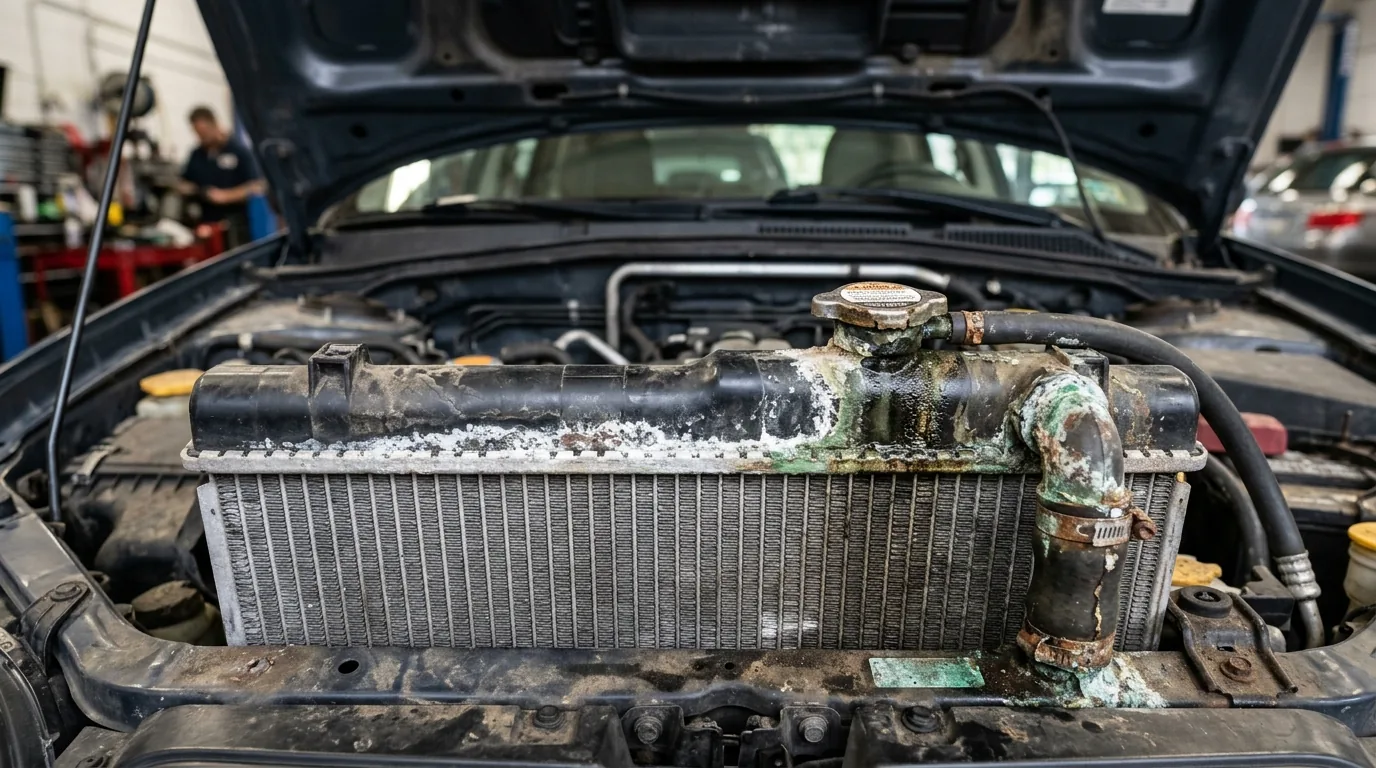
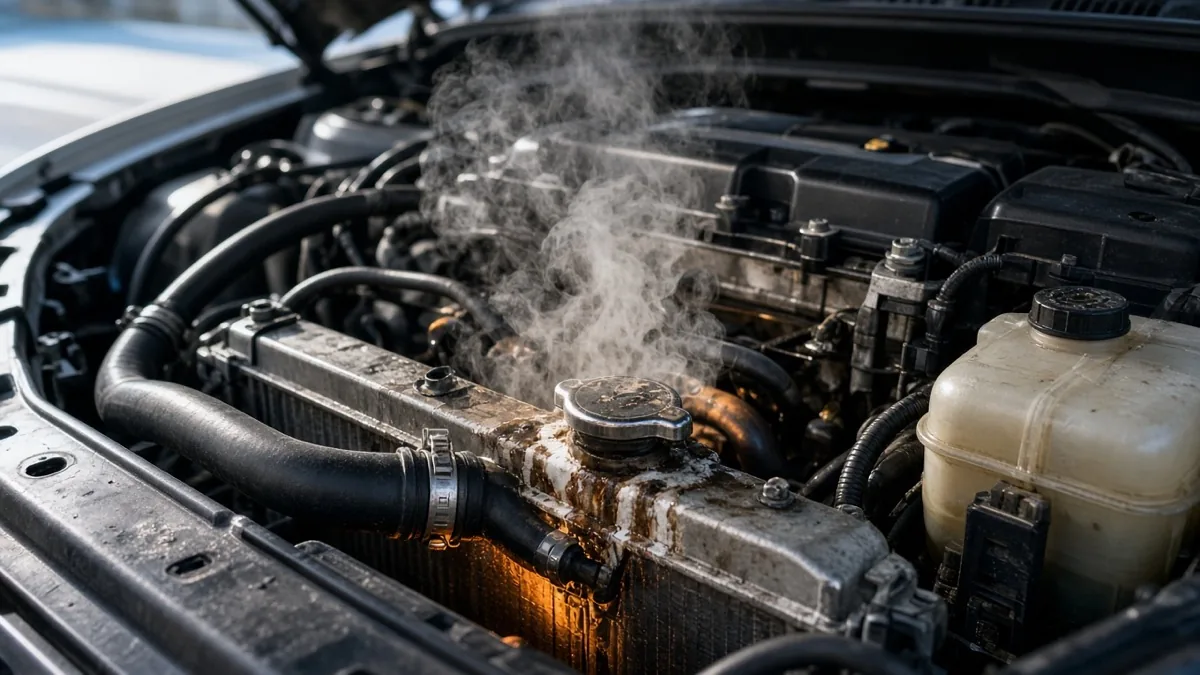
Plastic-tank radiators with cracked tanks cannot be repaired reliably. The plastic becomes brittle with age and heat cycling, and epoxy patches fail under pressure within weeks or months. Since most vehicles built after 2000 use plastic-tank radiators, most radiator failures today require replacement rather than repair.
JB Weld and stop-leak additives are emergency measures, not repairs. Stop-leak products circulate particles through the entire cooling system. They can plug the leak temporarily, but they also clog narrow passages in the heater core, thermostat housing, and water pump weep hole. A $12 bottle of stop-leak can create $500 to $1,500 in secondary damage.
If the core shows multiple corroded or crushed tubes, external impact damage, or any plastic tank crack, replace the radiator. The part cost is low enough that attempting a patch on a $178 component risks engine overheating and head gasket failure costing $1,500 to $3,000.
For a full symptom checklist, see our bad radiator symptoms guide.
Aluminum vs Plastic-Tank Radiators
The radiator market splits into two main construction types, and understanding the difference affects both your replacement cost and how long the new part will last.
Plastic-Tank, Aluminum-Core (OEM Standard)
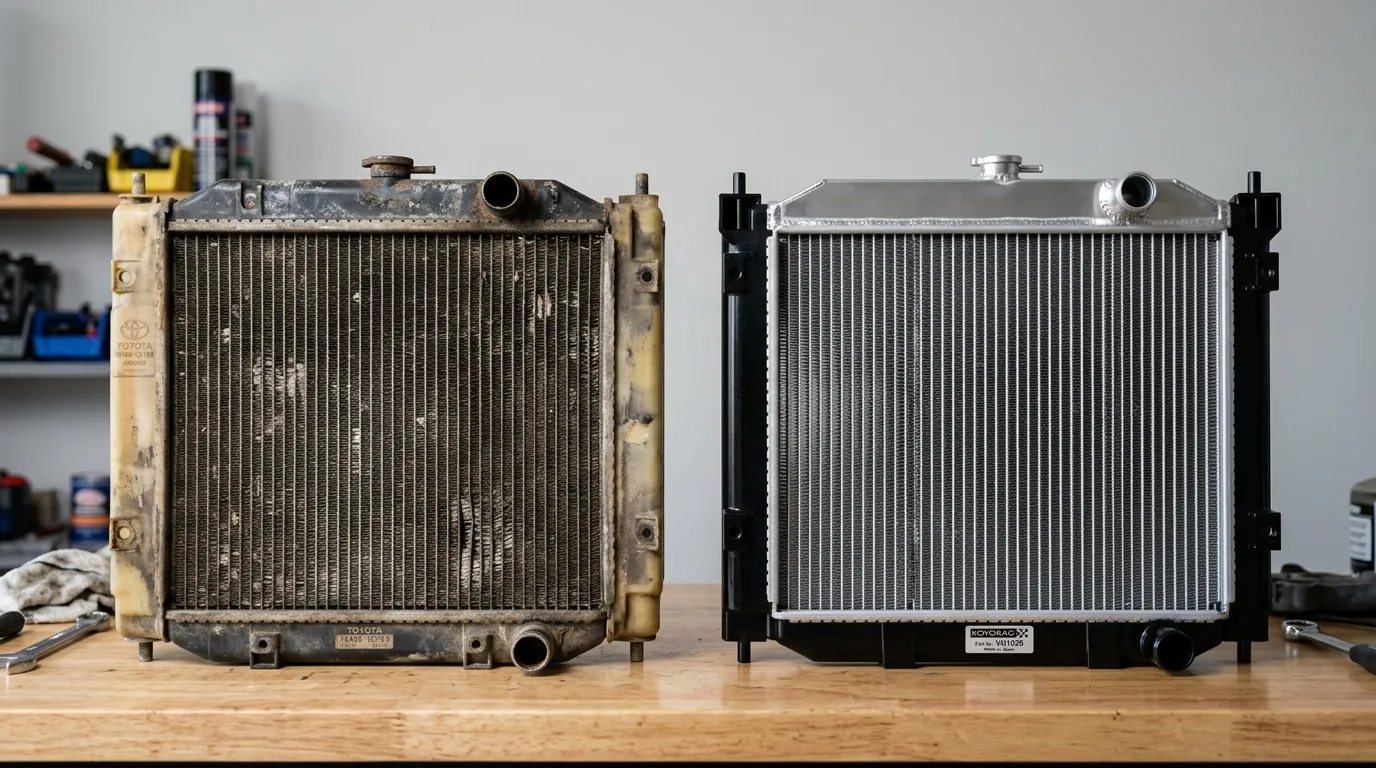
Nearly every vehicle made since the mid-1990s uses this design. Two black plastic tanks are crimped onto an aluminum core with a rubber gasket. The aluminum core handles heat transfer. The plastic tanks hold the coolant volume and include ports for transmission cooler lines, sensor fittings, and overflow connections.
This design is lightweight and cheap to manufacture, which is why it dominates OEM production. The failure mode is predictable: the plastic tanks become brittle after 10 to 15 years of heat cycling and crack at the crimp seam. When this happens, coolant leaks from the tank-to-core joint, and the only fix is a new radiator.
New aftermarket plastic-tank radiators run $100 to $350. Used units from salvage yards cost $88 to $398 (median $178). Quality varies less than you might expect because the aluminum core rarely fails. The plastic tanks are the weak point, and a used radiator from a lower-mileage vehicle often has years of tank life remaining.
All-Aluminum (Performance and Heavy-Duty)
All-aluminum radiators use welded aluminum tanks instead of crimped plastic. This eliminates the most common failure point entirely. They cost more, typically $200 to $500 for an aftermarket unit, but they tolerate higher pressures and temperatures and resist vibration cracking.
All-aluminum units make sense for trucks that tow regularly, vehicles in extreme heat climates, and anyone planning to keep a vehicle past 200,000 miles. The upfront premium of $100 to $200 over a plastic-tank unit pays off if it eliminates one future replacement.
For a deeper comparison of used and new radiator options, see our used vs new radiator guide.
Used vs New Radiators
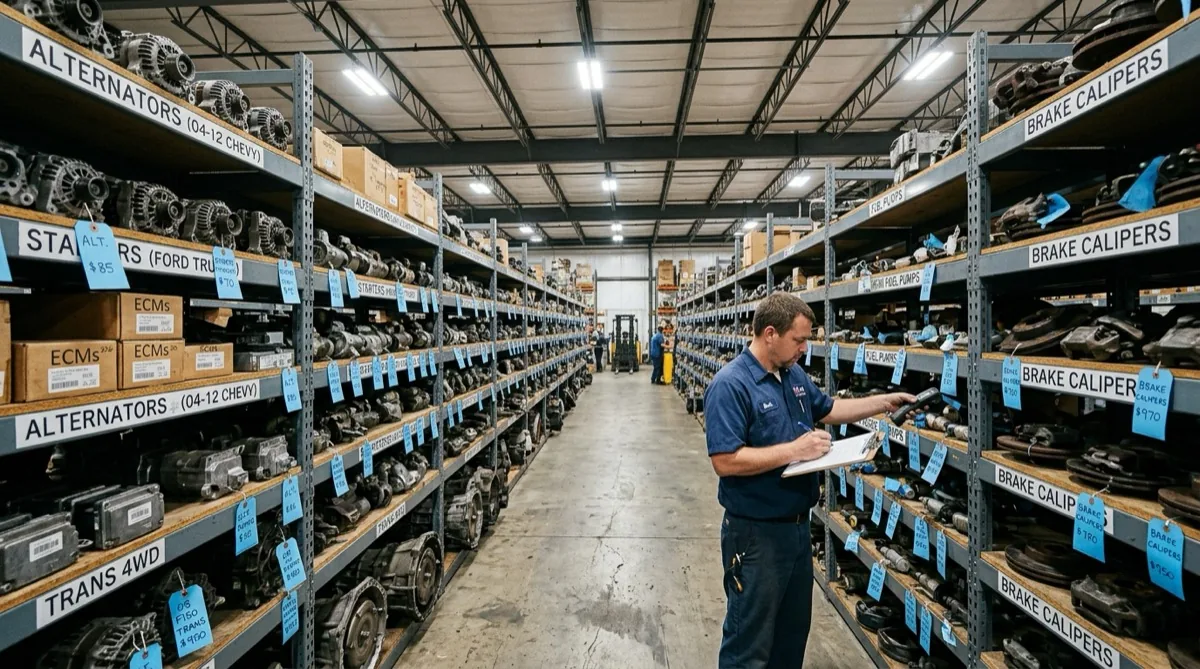
Radiators are one of the best candidates for buying used. Unlike transmissions or alternators, a radiator has no moving parts, no bearings, and no wear surfaces. It either holds pressure and transfers heat, or it does not. A salvage radiator that passes a pressure test at 15 to 18 PSI has the same functional capacity as a new unit off the shelf.
| Factor | Used | New Aftermarket | New OEM |
|---|---|---|---|
| Price range | $88–$398 | $100–$350 | $250–$700 |
| Median price | $178 | ~$180 | ~$400 |
| Warranty | 30–90 day yard warranty | 1–2 year manufacturer | 1–3 year dealer |
| Condition risk | Plastic tanks may be aged | New tanks, new seals | Factory specification |
| Best for | Vehicles under 10 yrs old | Older vehicles, long-term keeps | Warranty-period vehicles, lease returns |
When the price gap is small, new aftermarket is the safer choice. You get a manufacturer warranty, new plastic tanks with no heat-cycle fatigue, and fresh gaskets. When the used price is significantly below new (trucks and luxury vehicles where OEM radiators run $400+), a salvage unit tested to spec saves real money.
For a complete pricing comparison, see our used radiator pricing analysis.
DIY Radiator Replacement Guide
Radiator replacement is a solid intermediate DIY job. The radiator sits at the front of the engine bay, accessible from the top or front of the vehicle. No special tools are required for most applications.
What You Need
- Basic socket and wrench set (10mm, 12mm, 13mm cover most vehicles)
- Pliers for hose clamps
- Drain pan (2-gallon minimum)
- Fresh coolant (1 to 2 gallons, vehicle-specific type)
- Replacement radiator
- New hose clamps if originals are corroded
The Process
Step 1: Drain the cooling system. Open the radiator drain petcock at the bottom of the radiator, or remove the lower radiator hose. Catch the coolant in a drain pan. Most systems hold 1 to 2 gallons in the radiator alone.
Step 2: Disconnect hoses and lines. Remove the upper and lower radiator hoses. On automatic transmission vehicles, disconnect the transmission cooler lines from the radiator tanks. Have rags ready because residual transmission fluid will drip.
Step 3: Remove the fan shroud or electric fan assembly. Most modern vehicles have electric fans bolted to the back of the radiator. Unplug the connector and remove the mounting bolts. On older vehicles with a mechanical fan, you may need to unbolt the fan shroud and set it back over the water pump.
Step 4: Unbolt the radiator. Two to four bolts or pins hold the radiator to the core support. Remove these and lift the radiator straight up. On some vehicles, you will need to remove the AC condenser mounting bolts first (the condenser stays in place but its brackets may overlap the radiator mounts).
Step 5: Install the new radiator. Set the replacement into the rubber isolator mounts, reconnect everything in reverse order, and fill with fresh coolant. Run the engine with the radiator cap off until the thermostat opens and the coolant level stabilizes. Top off and install the cap.
DIY Cost Breakdown
| Item | Cost |
|---|---|
| Used radiator | $88–$398 (median $178) |
| Coolant (2 gallons) | $20–$50 |
| Hose clamps (if needed) | $5–$15 |
| Total DIY cost | $113–$463 |
For more context on overheating causes beyond the radiator itself, see our guide on car overheating causes and repair costs.
If you are sourcing a used radiator, our guide to radiator interchangeability explains which models share the same radiator and where cross-compatibility works.