Rear Bumper price snapshot
- Low
- $120
- Average
- $321
- High
- $1,525
Part price guide
Saurabh Kumar
Co-Founder & CTO, Part Price Guide
Built the pricing pipeline that collects and normalizes used OEM part listings from salvage yards and online marketplaces across the US.
Ambika Sharma
Co-Founder & COO, Part Price Guide
12 years of project management and technical operations experience. Reviews price guides for sample size, fitment accuracy, and data freshness.
Part overview
Across 179 vehicle models, the typical used rear bumper lists for $261, with model-level medians ranging from $120 to $1,525. Based on 110,934 priced salvage yard listings tracked by PartPriceGuide.
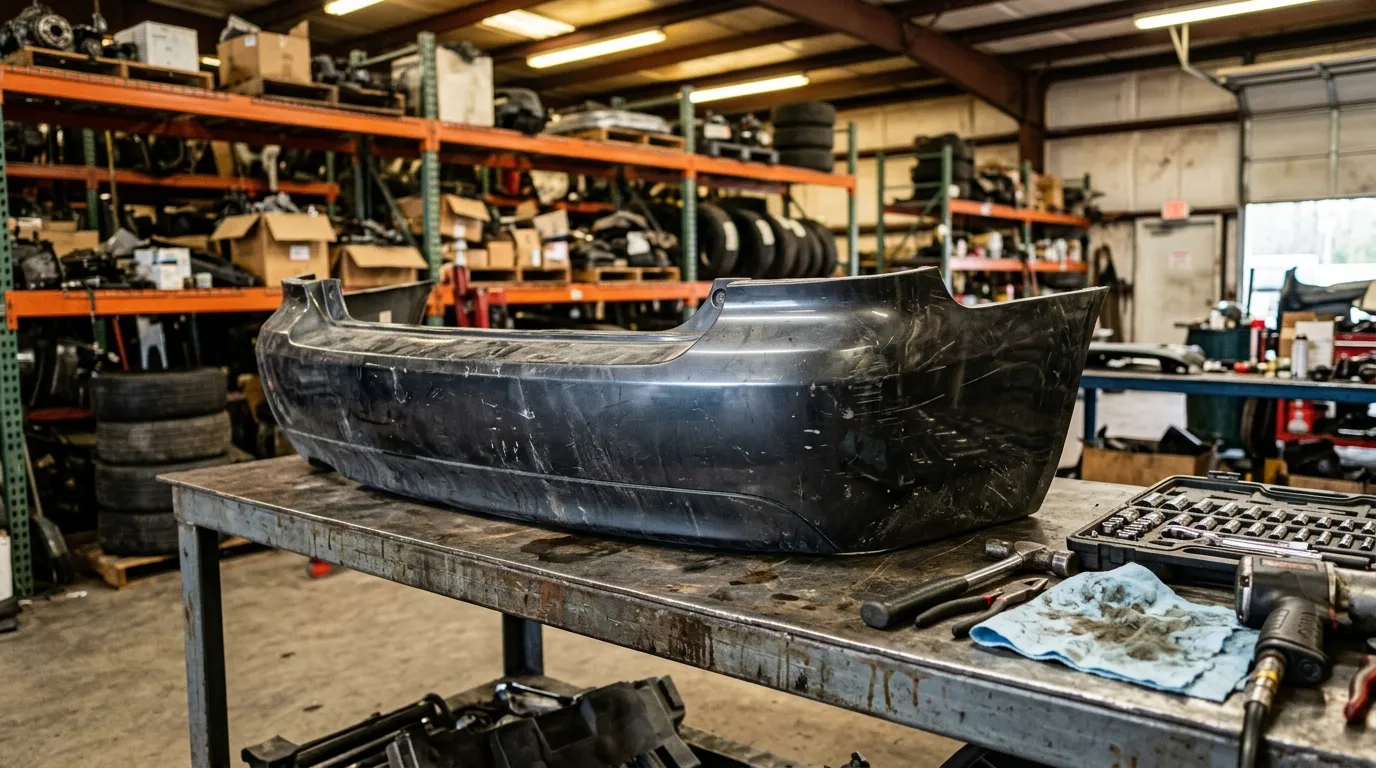
The rear bumper cover is the plastic exterior panel covering the rear crash assembly to shield components and complete the vehicle's body lines.
Most often replaced after rear-end low-speed collisions, backing-up impacts, cracked plastic clips, or cosmetic damage.
A used rear bumper costs $120 to $1,525, with a median asking price of $261. Based on price data across 179 vehicle-specific guides. Prices exclude shipping, core charges, and installation.
Vehicle-specific reference
179 of 184 guides currently priced
Price data updating
Price data updating
Price data updating
Price data updating
Price data updating
Compare by vehicle
Keep comparing
Common questions
Across 179 vehicle-specific guides with current pricing, used rear bumper guide medians run from $120 to $1,525, with a typical median of $261. Condition grade, mileage, and fitment move the price within that range.
Usually, yes. Buying a used rear bumper from a salvage yard or auto recycler typically costs a fraction of the new rear bumper replacement cost at a dealership. Compare the grade-level medians above against any replacement quote you've received, and remember our figures exclude shipping and installation labor.
Salvage yards, junkyards, pick-and-pull lots, and online used parts marketplaces all sell used rear bumpers. Our index tracks asking prices nationally, so you can benchmark a local quote against the market range before you buy.
Expect to pay toward the upper half of the $120–$1,525 range for a grade-A rear bumper with low mileage. Check the grade table above for the current grade-level medians, and confirm whether shipping and any core charge are included in the quote.
They can be — condition grade is the key. Grade A parts come off low-mileage vehicles with little to no damage, grade B is average, and grade C or ungraded parts are the gamble. Buy grade A or B from a yard that offers a return window or warranty, and confirm the mileage of the donor vehicle before paying. The grade-level medians above show what each tier should cost.
Yes. A rear bumper cover is another name for a rear bumper. The prices on this page apply regardless of what it's called in your region or by your mechanic.
Inspect all mounting brackets, side guide tabs, and clip holes to ensure they are intact and uncracked. Verify whether your vehicle requires cutouts for rear parking sensors, blind-spot monitoring radar, tow hitches, or dual exhaust outlets. Checking the interior side for repair patches or structural distortion guarantees proper alignment during installation.
A used rear bumper cover will fit perfectly if it comes from the same generation, body style, and trim configuration as your car. Convertible, coupe, sedan, and wagon variants frequently use distinct rear bumper profiles despite sharing front end components. Verifying part numbers or VIN compatibility with the auto recycler ensures seamless fitment.
Replacing a rear bumper cover is relatively simple and can usually be completed in under two hours with standard hand tools. The procedure requires removing tail light assemblies, trunk interior trim panels, and lower wheel well fasteners. Having a second person assist with holding the cover prevents scratching adjacent quarter panels during detachment.
A used factory rear bumper cover is superior to most new aftermarket options in terms of plastic durability and precise contour alignment. OEM salvage parts retain factory impact absorption characteristics and fit flush against the trunk lid and quarter panels. Aftermarket covers often require extensive heating or trimming to eliminate wide gaps.
While minor surface cracks can be plastic welded and filled, severe tears or broken mounting tabs are expensive to repair professionally. Purchasing a used replacement bumper cover is often cheaper and provides a structurally sound component without weak repair seams. A clean used panel ensures long-term resistance to vibration and highway wind pressure.
Common reasons for replacement include sagging edges, detachment from quarter panel brackets, severe denting from rear-end impacts, and cosmetic spider-web cracking in the clear coat. Damaged covers can allow water and road grime to enter the trunk cavity, leading to rust. Replacing the damaged panel restores the vehicle's aesthetic value and protective barrier.