Used auto parts cost 50 to 80% less than new, with junkyard prices ranging from $82 for a brake caliper to $2,470 for a complete engine. That range comes from real asking prices, not estimates, across 2.5 million salvage yard listings indexed by PartPriceGuide.com in August 2026. Whether you are fixing a daily driver on a budget or sourcing OEM parts for an older vehicle, the salvage market is the single cheapest channel for most mechanical and body components.
For a detailed breakdown, see our complete junkyard pricing breakdown guide.
What you actually pay depends on three things: the part itself, the type of yard you buy from, and the condition grade. This guide breaks down current pricing for the 15 most popular used parts, compares every major buying channel, and covers the practical details of grading, inspection, and knowing when used is the right call.
- Used auto parts save 50–80% over new OEM pricing across most mechanical and body categories
- Price range: $82 to $2,470 across the 15 most-searched parts, with most common components under $200
- Self-pull yards charge 30–50% less than full-service yards, but you supply tools and labor
- Grade A parts (under 60,000 miles) cost 15–30% more than Grade B, and 30–50% more than Grade C
- Best online sources: Car-Part.com for selection, eBay Motors for buyer protection, Facebook Marketplace for local deals
- Skip used on wear items (brake pads, belts, filters) and safety-regulated parts (airbags)
- Dataset: 2.5 million priced listings across 48 part categories, August 2026
2026 Used Part Prices by Category
The table below covers the 15 most frequently searched used auto parts in our index, ranked by median price from highest to lowest. All prices are medians from full-service salvage yard listings.
| Part | Median Price | Listings in Index | Price Tier |
|---|---|---|---|
| Engine | $2,470 | 66,520 | Premium |
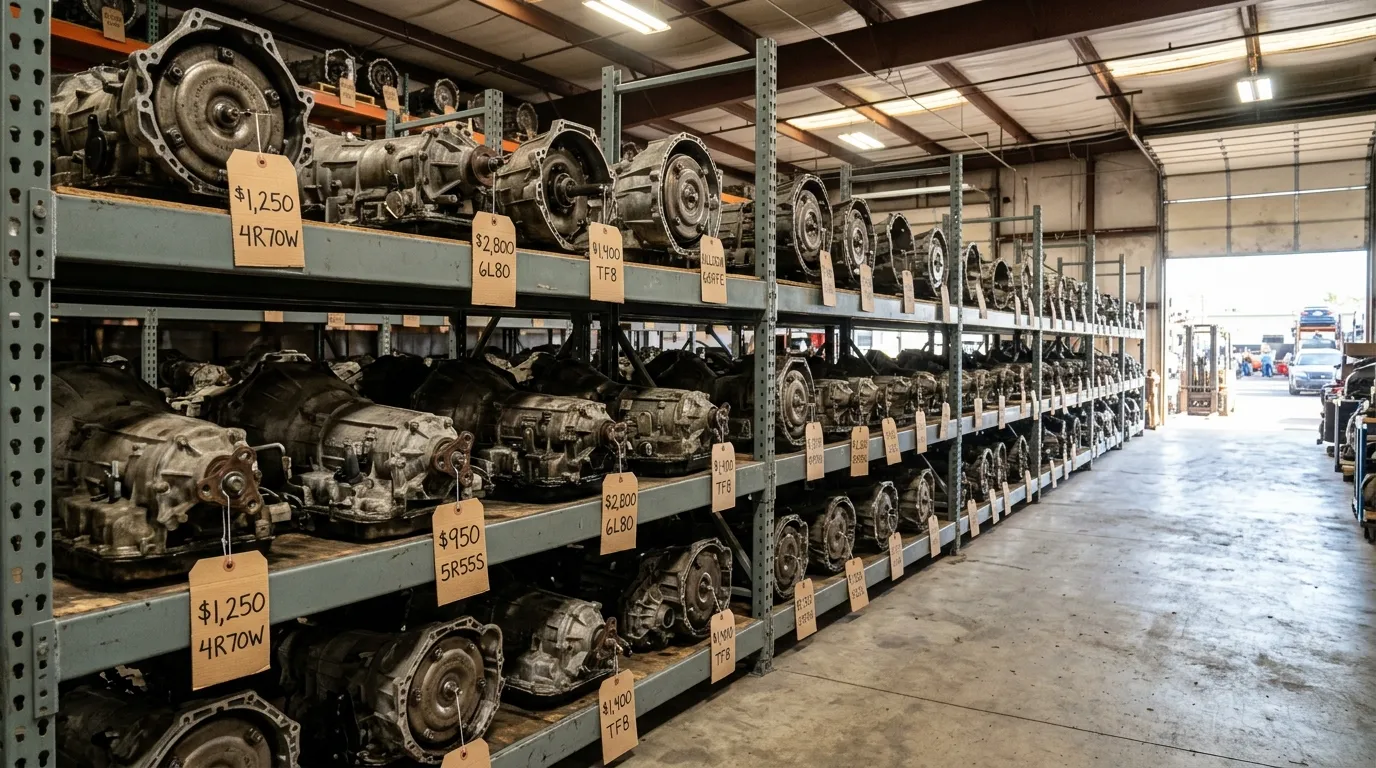
| Transmission | $1,400 | 95,948 | Premium |
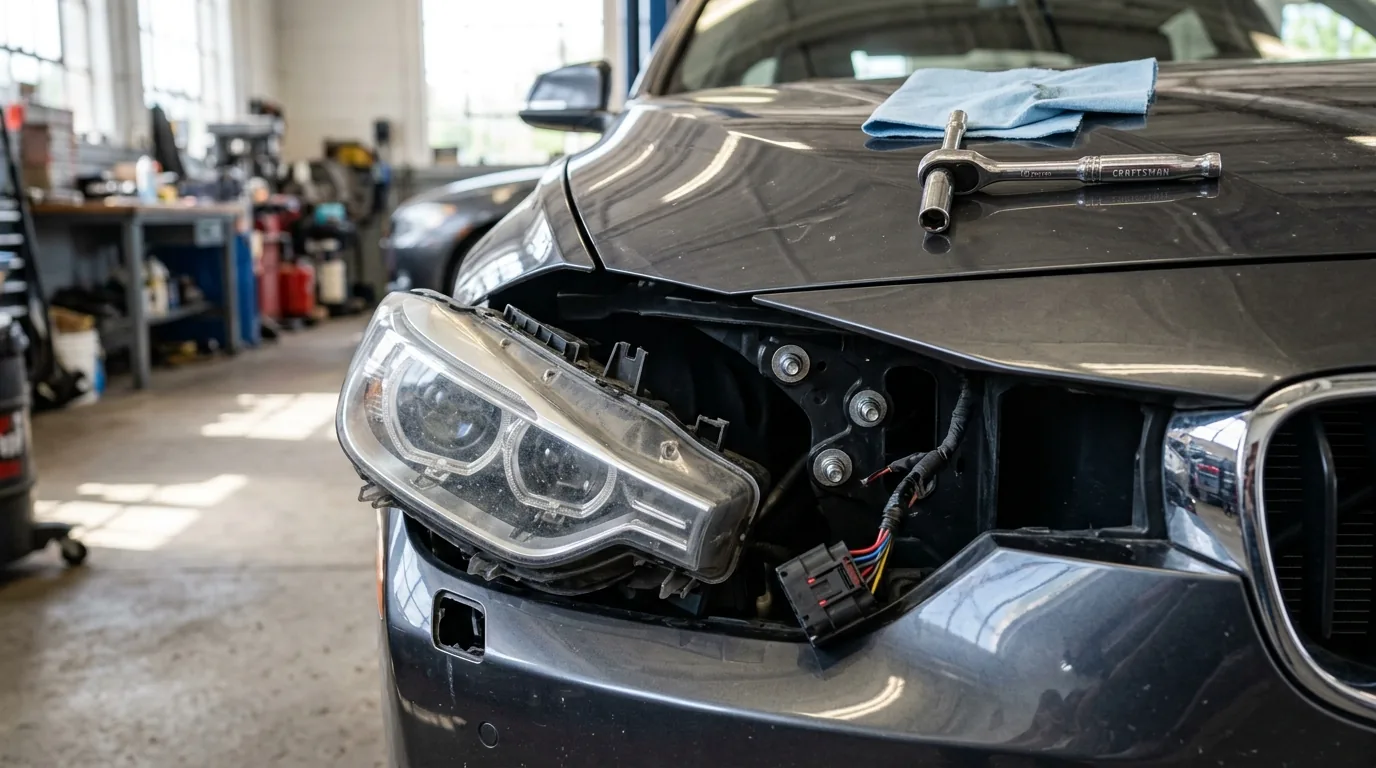
| Headlight Assembly | $620 | 134,693 | Premium |
| Turbocharger | $446 | 18,129 | Premium |
| Steering Rack | $340 | 61,700 | Premium |
| Transfer Case | $308 | 40,954 | Premium |
| Front Bumper | $250 | 39,030 | Mid-range |
| Side Mirror | $220 | 205,595 | Mid-range |
| Wheels (each) | $200 | 198,127 | Mid-range |
| Radiator | $178 | 68,713 | Mid-range |
| AC Compressor | $153 | 48,671 | Mid-range |
| Strut | $138 | 95,928 | Mid-range |
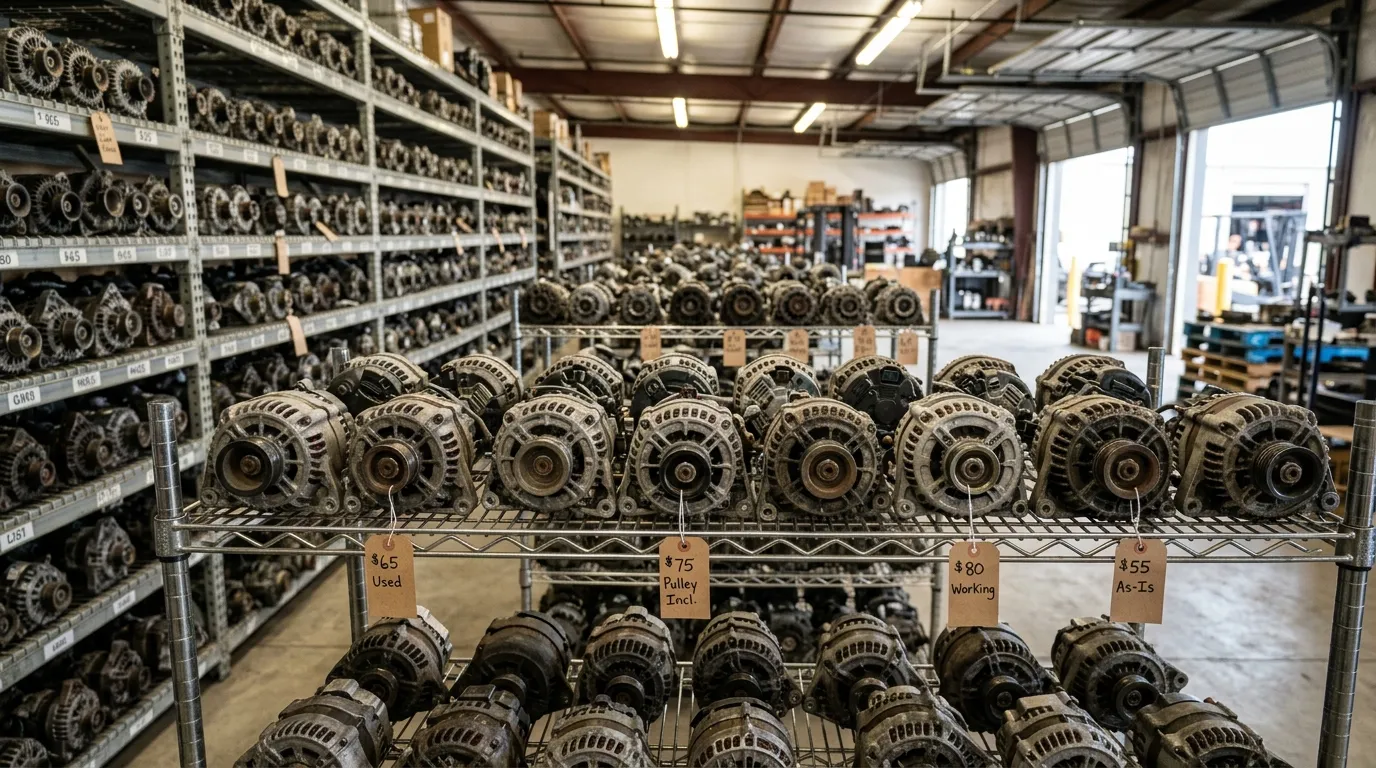
| Alternator | $100 | 56,927 | Budget |
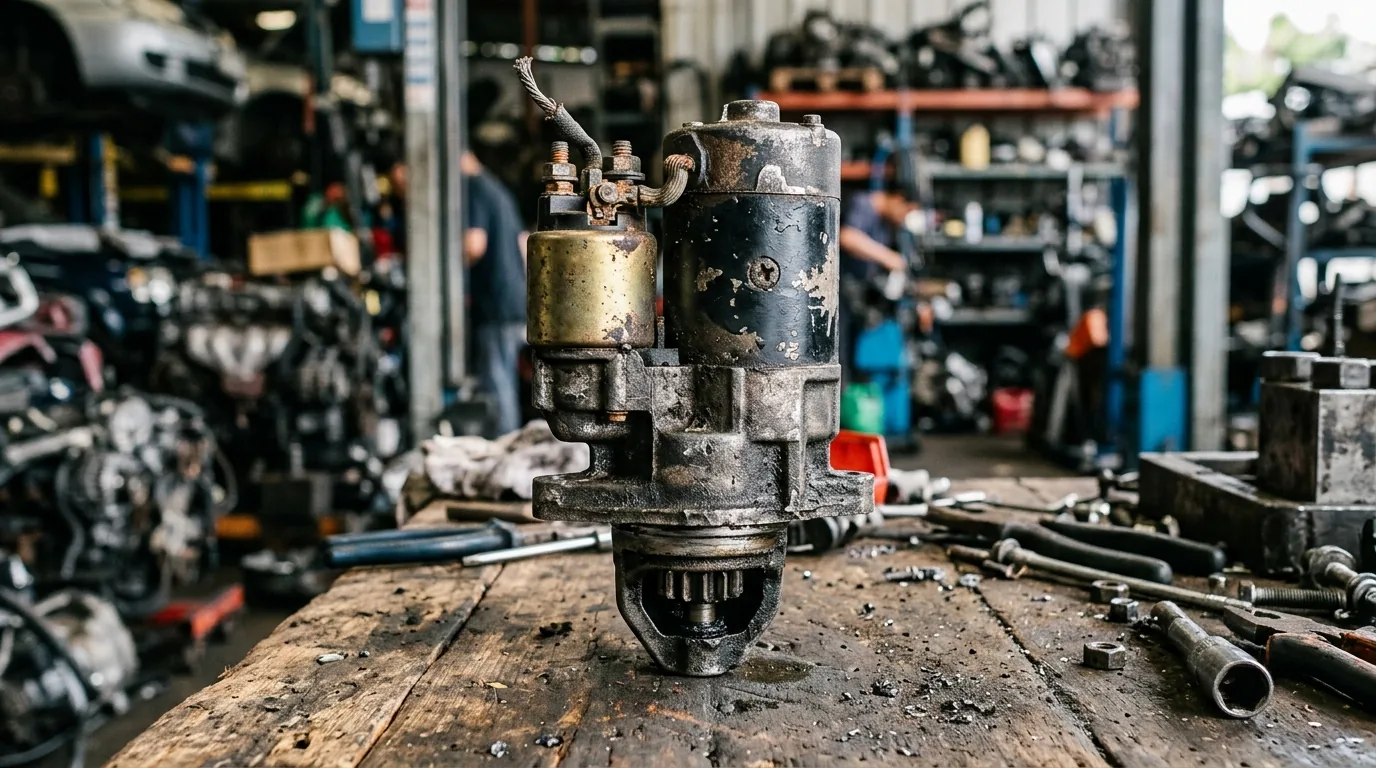
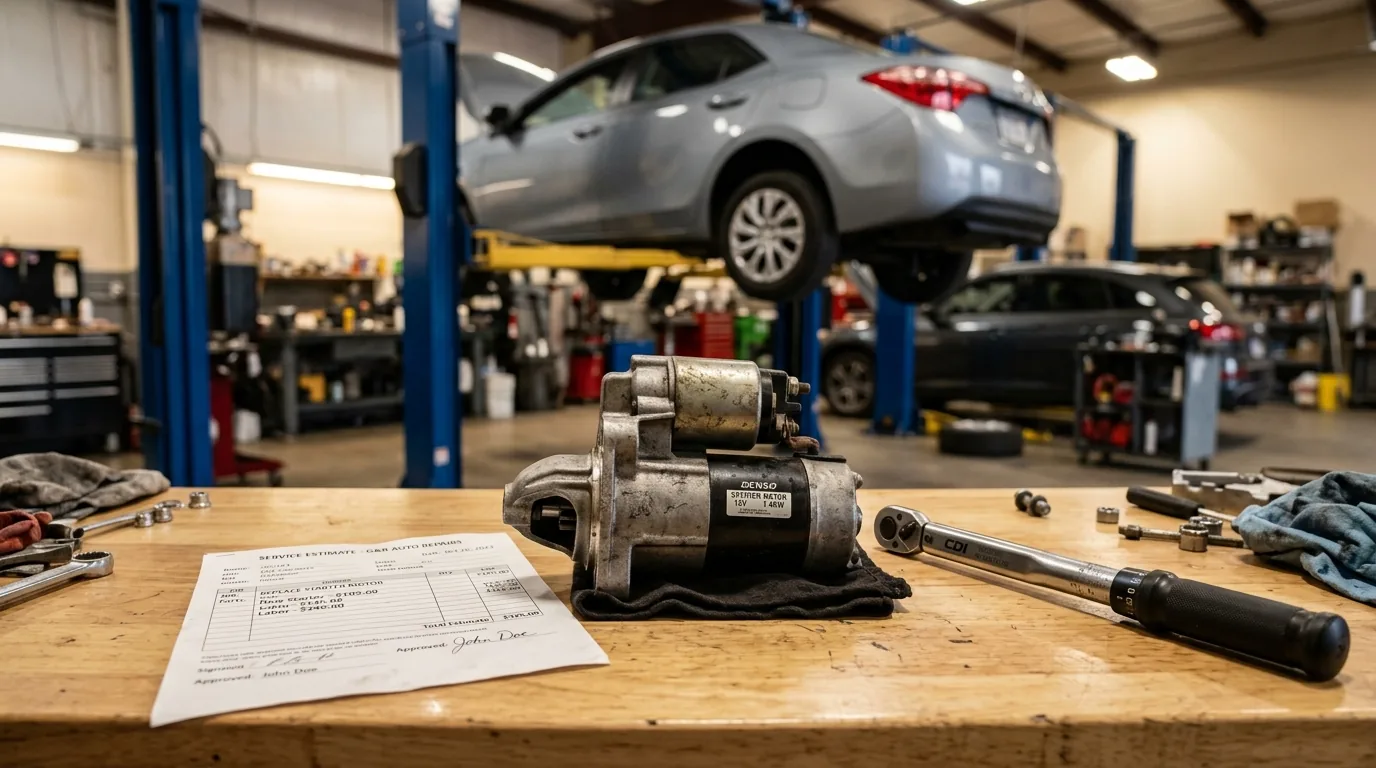
| Starter | $91 | 42,026 | Budget |
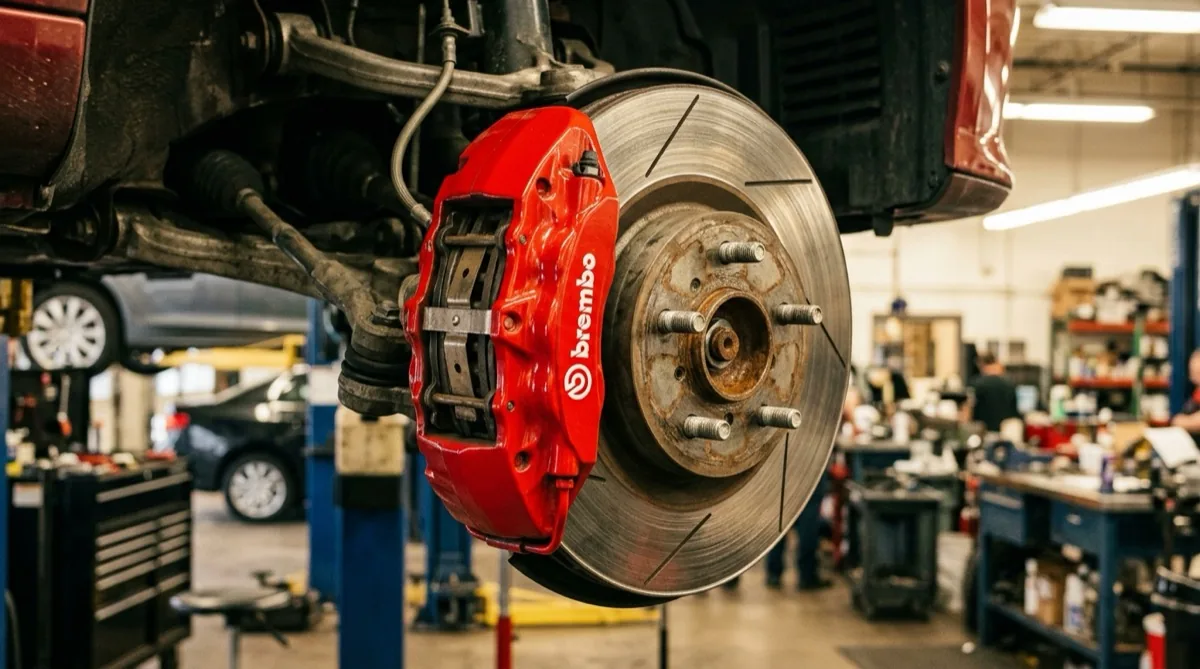
| Brake Caliper | $82 | 46,020 | Budget |
The budget tier (under $125) is where used parts deliver the most lopsided savings. A used alternator at $100 replaces a $250 to $450 new OEM unit. A used starter at $91 replaces a $200 to $400 new one. On these parts, the replacement labor usually exceeds the part cost itself, which means buying used cuts the total repair bill by the largest percentage.
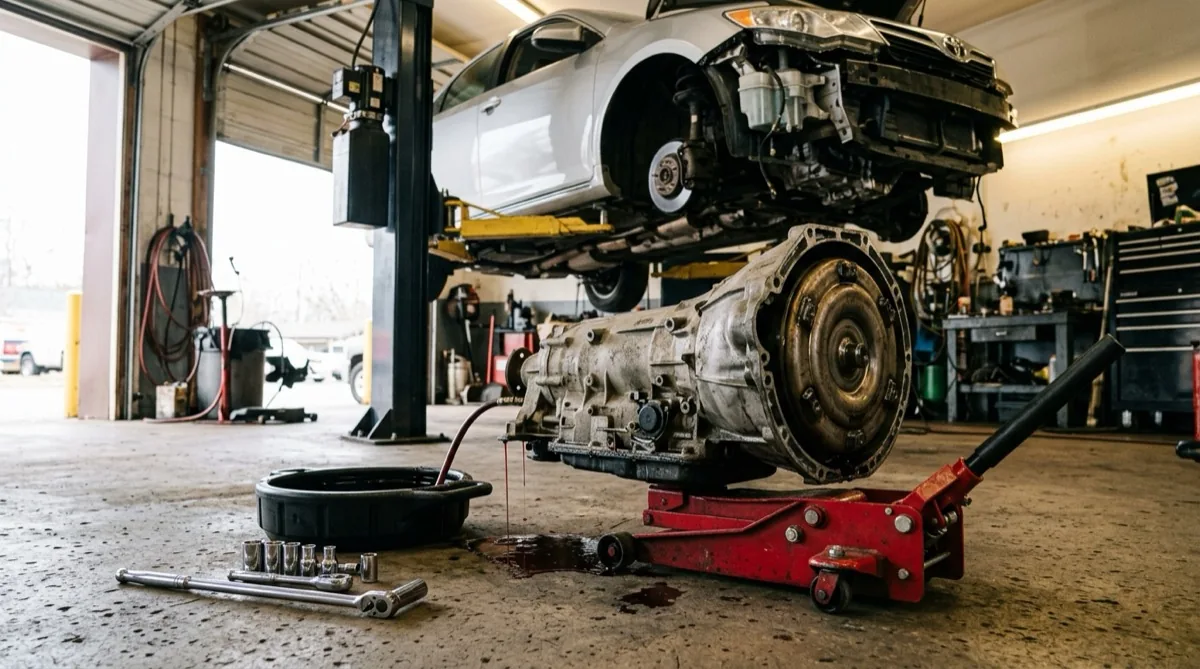
The premium tier tells a different story in absolute dollars. A used engine at $2,470 saves $1,500 to $5,500 over a new or remanufactured engine. A used transmission at $1,400 saves $1,600 to $4,100. These are the parts where salvage yards generate the bulk of their revenue, and where grading and warranty matter most.
Where to Buy Used Auto Parts
Five channels account for the vast majority of used auto part sales. Each one trades price against convenience, warranty coverage, and selection.
Local Self-Pull Yards
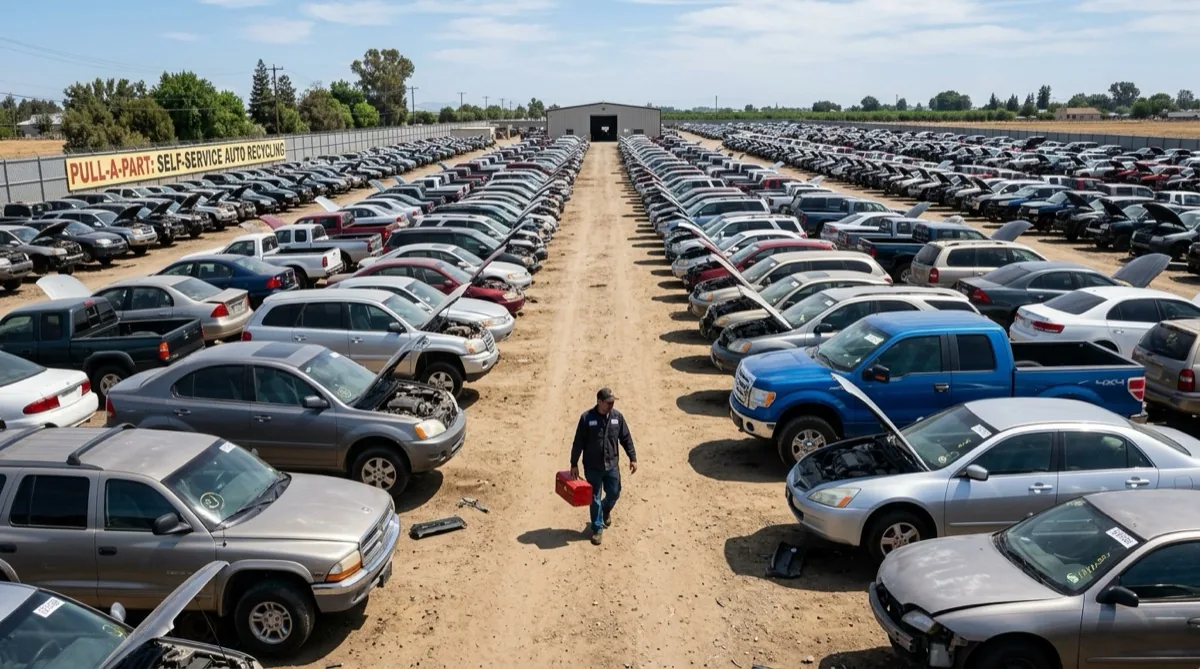
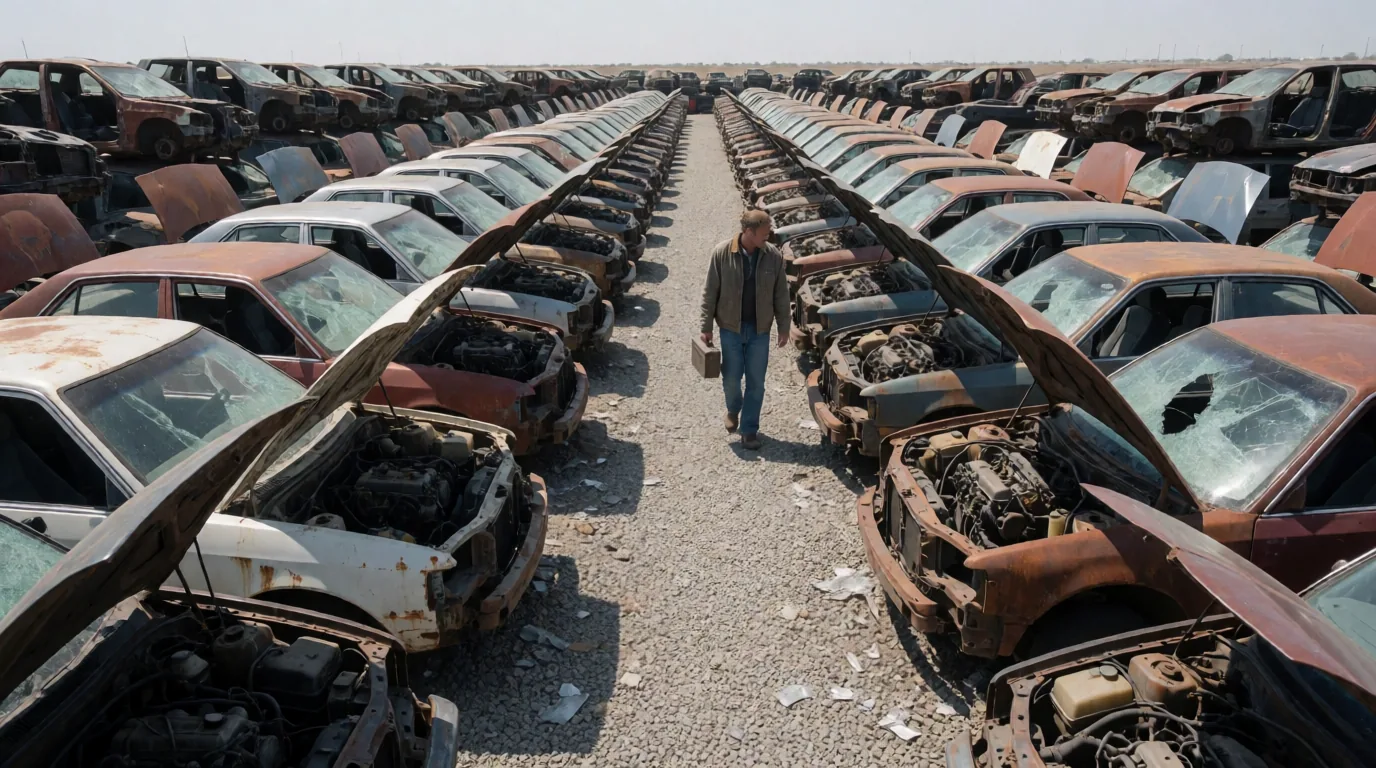
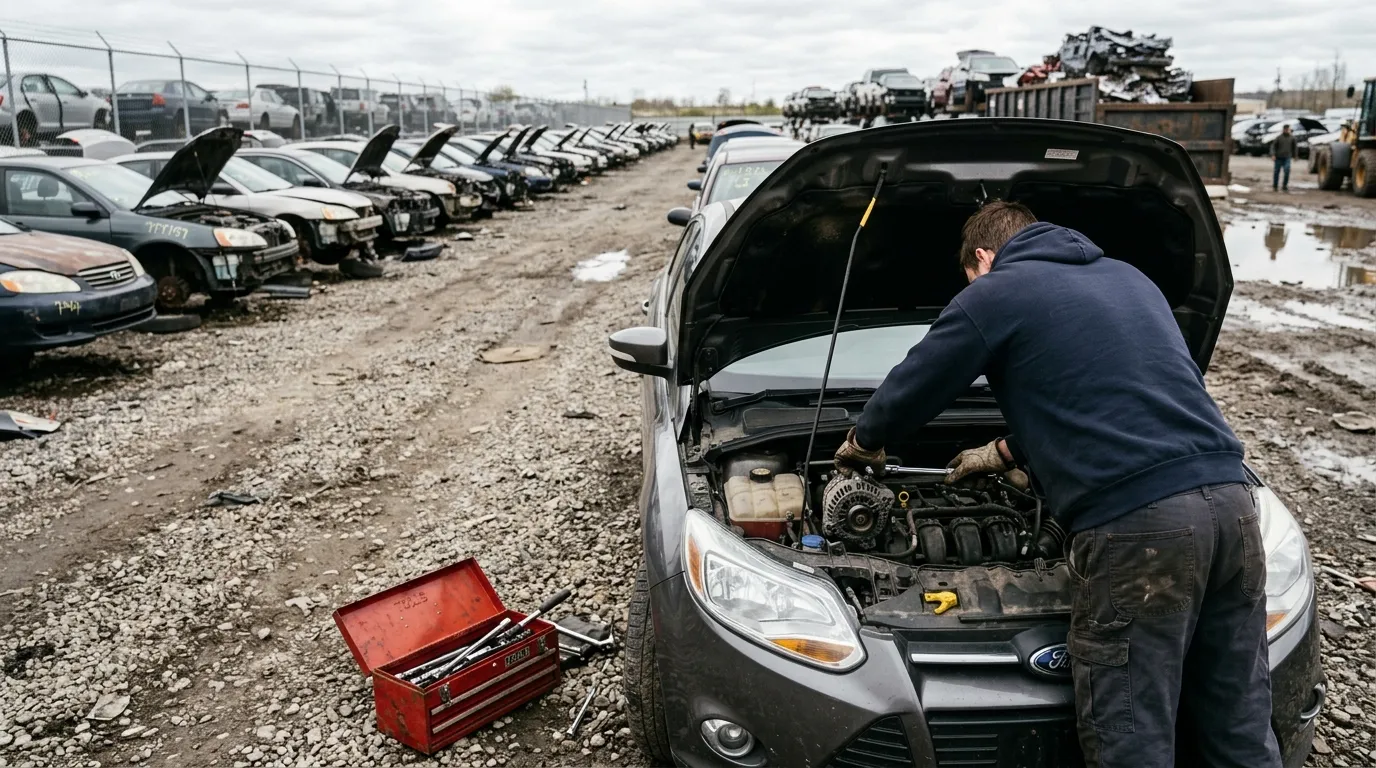
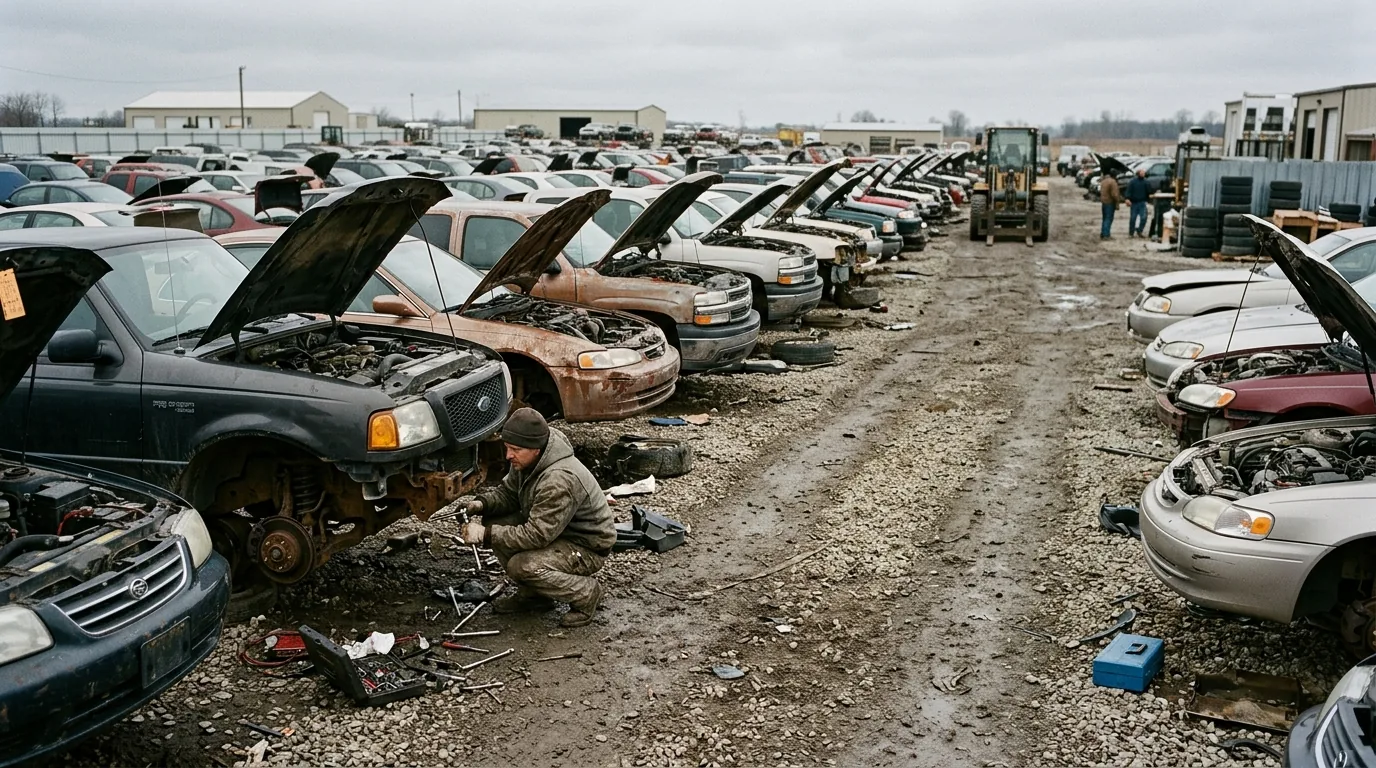
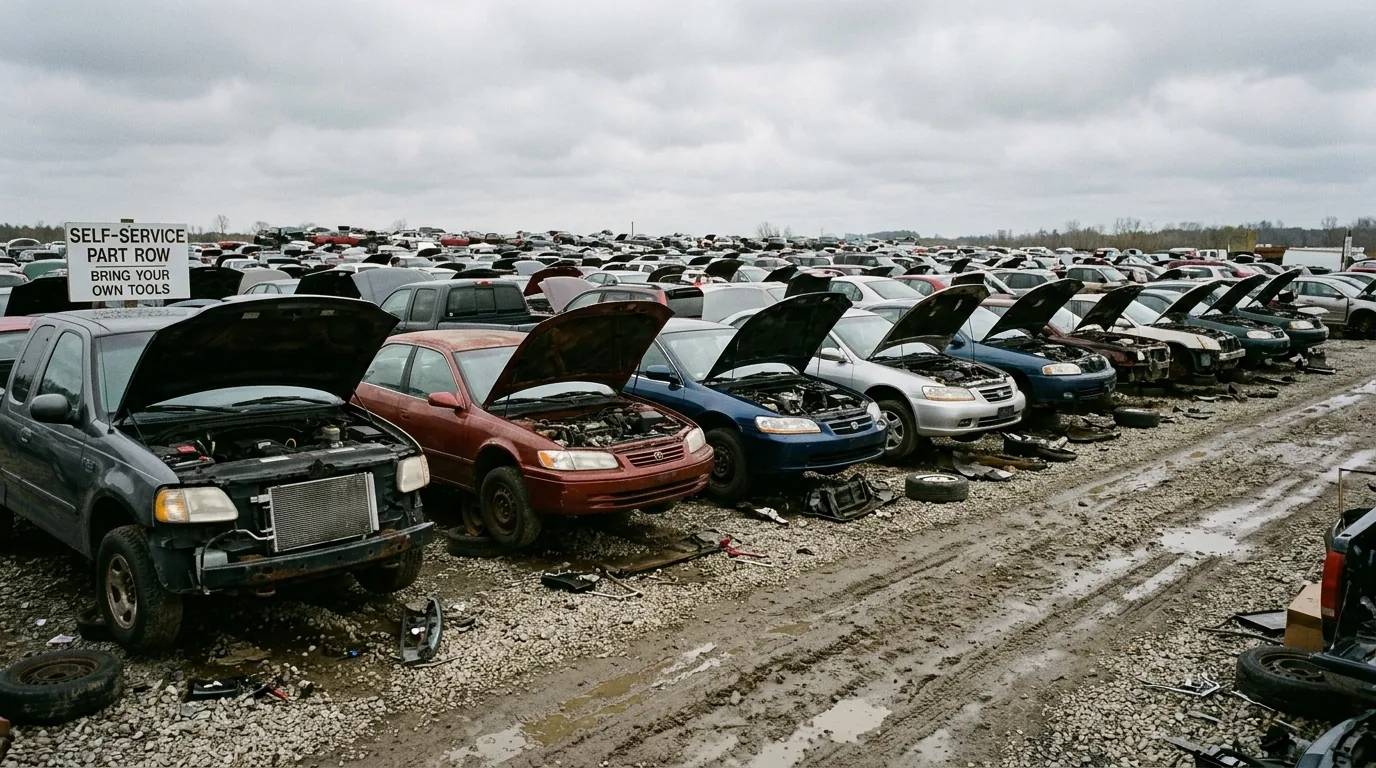
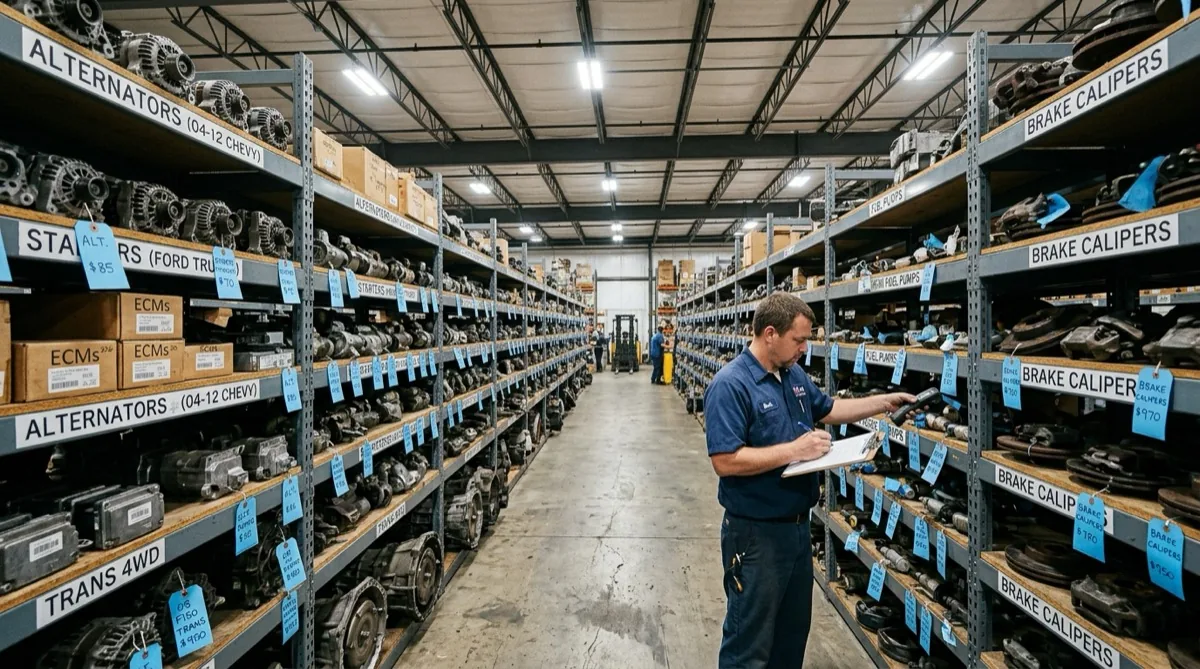
Self-pull yards (Pull-A-Part, LKQ Pick Your Part, U-Pull-It) charge a flat entry fee of $2 to $5 and set fixed prices by part type regardless of vehicle. You walk the lot, find a donor vehicle, and remove the part yourself. Prices run 30 to 50% below full-service medians because you are supplying the labor. No grading system, minimal to no warranties, and no assistance.
Self-pull is the cheapest option for parts that are easy to identify and remove: alternators, starters, side mirrors, wheels, and headlight assemblies. Budget about an hour per part on your first visit.
Local Full-Service Yards
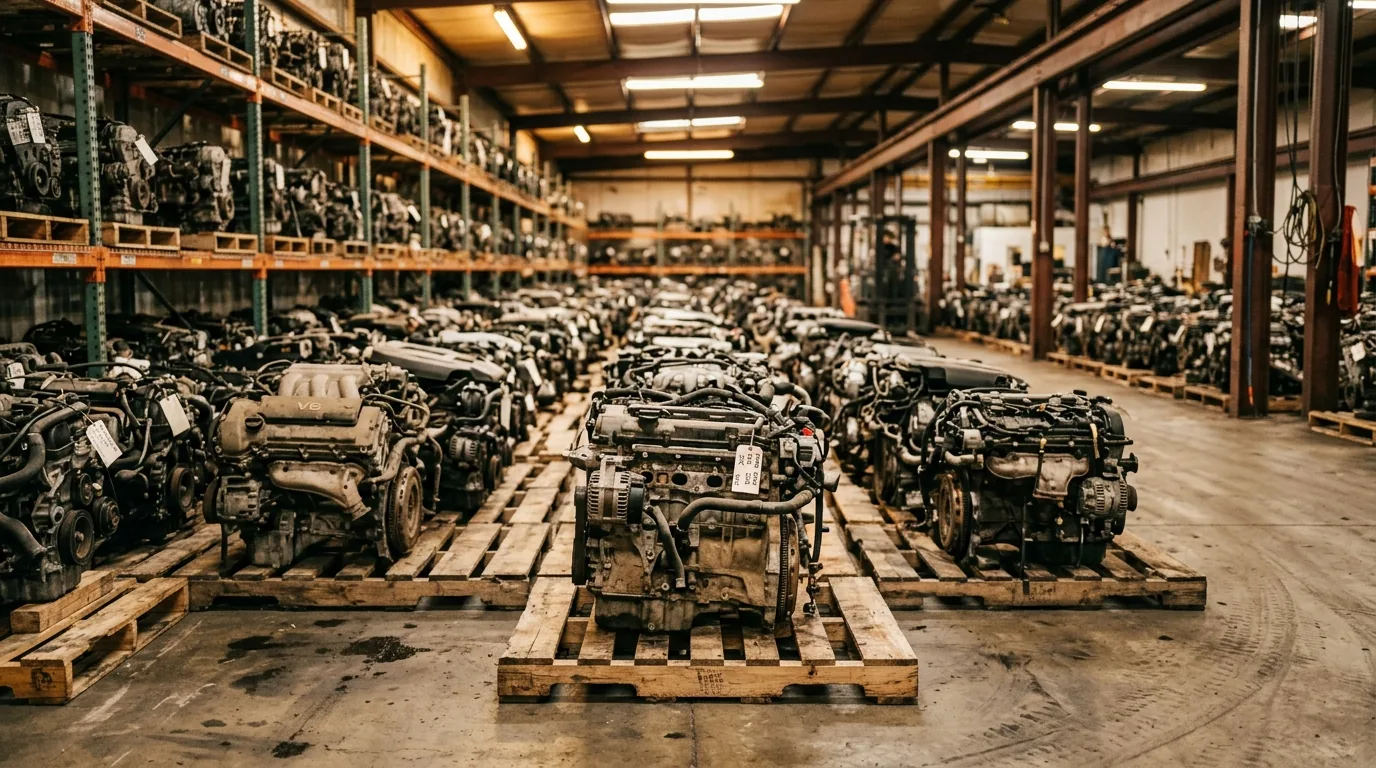
Full-service salvage yards pull the part, grade it, clean it, and often bench-test it before selling. You pay 30 to 50% more than self-pull, but you get a graded unit with a 30 to 90-day warranty. Many full-service yards extend coverage to 6 months or a year on engines and transmissions.
Full-service makes financial sense on high-value parts where a failure means paying installation labor twice. A tested, warranted engine or transmission is worth the upcharge when the install labor alone runs $950 to $3,000.
Car-Part.com
Car-Part.com is the industry's largest parts locator, connecting buyers with over 200,000 salvage yard inventories across the U.S. and Canada. You search by year, make, model, and part, then contact the yard directly to purchase. Prices match local full-service rates because the sellers are full-service yards. The value is in the selection: if your local yards don't have the part, Car-Part.com almost certainly surfaces one within shipping distance.
eBay Motors
eBay Motors offers individual sellers and commercial recyclers on a platform with buyer protection, return policies, and seller ratings. Prices tend to run 10 to 20% above local yard pricing because sellers factor in the platform fee and shipping. The tradeoff is accountability: eBay's money-back guarantee covers parts that arrive damaged or don't match the listing.
For commodity parts like alternators and starters, eBay pricing competes with local yards once you factor in the drive. For heavy or expensive parts like engines, shipping costs ($150 to $400) can erase the convenience advantage.
Facebook Marketplace
Facebook Marketplace is the wild card. Private sellers and small-yard operators list parts at aggressive prices because there are no platform fees. No buyer protection beyond whatever the seller agrees to, no standardized grading, and no recourse if the part is misrepresented.
Marketplace works best for body panels, wheels, and interior trim where you can visually confirm condition in photos. It is riskier for mechanical parts where internal condition matters. Always meet locally and inspect the part before paying.

How Part Grades Affect Price
Full-service yards use the A/B/C grading system developed by the Automotive Recyclers Association. The grade directly determines the price tier for any given part.
Grade A parts come from donor vehicles with under 60,000 miles, averaging less than 15,000 miles per year, with minimal visible wear. These command the highest prices and are the closest thing to new you will find at a salvage yard. Expect to pay the full median or above.
Grade B parts come from vehicles with under 200,000 miles and normal wear. This is the sweet spot for most buyers: the part is functional, reasonably fresh, and priced 15 to 30% below Grade A. Most listings in our index fall into this category.
Grade C parts come from high-mileage vehicles (over 200,000 miles) or show cosmetic damage. They work for older vehicles where the goal is basic function rather than long-term reliability. Grade C pricing runs 30 to 50% below Grade A.
For body panels and cosmetic parts, the grading system measures physical damage rather than mileage. A Grade A bumper has one or fewer damaged areas measured in credit-card-sized units. A Grade C bumper shows noticeable scratches, dents, or cracks.
| Grade | Mileage Range | Price vs. Grade A | Best For |
|---|---|---|---|
| A | Under 60,000 | Full price | Daily drivers, newer vehicles |
| B | Under 200,000 | 15–30% less | Most repairs, good value |
| C | Over 200,000 | 30–50% less | Beater cars, temporary fixes |
Self-pull yards do not grade parts. You assess condition yourself, which is why the prices are lower. If you can evaluate what you are buying, the lack of grading is a feature, not a limitation.
For a detailed breakdown, see our how junkyard pricing and grading works in detail guide.
Self-Pull vs Full-Service Pricing
The type of yard is the biggest single pricing lever in the salvage market. Here is what the same parts cost at each yard type:
| Part | Full-Service Median | Self-Pull Estimate | You Save |
|---|---|---|---|
| Alternator | $100 | $50–$70 | 30–50% |
| Starter | $91 | $45–$65 | 29–51% |
| Brake Caliper | $82 | $40–$58 | 29–51% |
| Radiator | $178 | $90–$125 | 30–49% |
| Side Mirror | $220 | $110–$155 | 30–50% |
| Headlight Assembly | $620 | $310–$435 | 30–50% |
| Engine | $2,470 | Not available | N/A |
| Transmission | $1,400 | Not available | N/A |
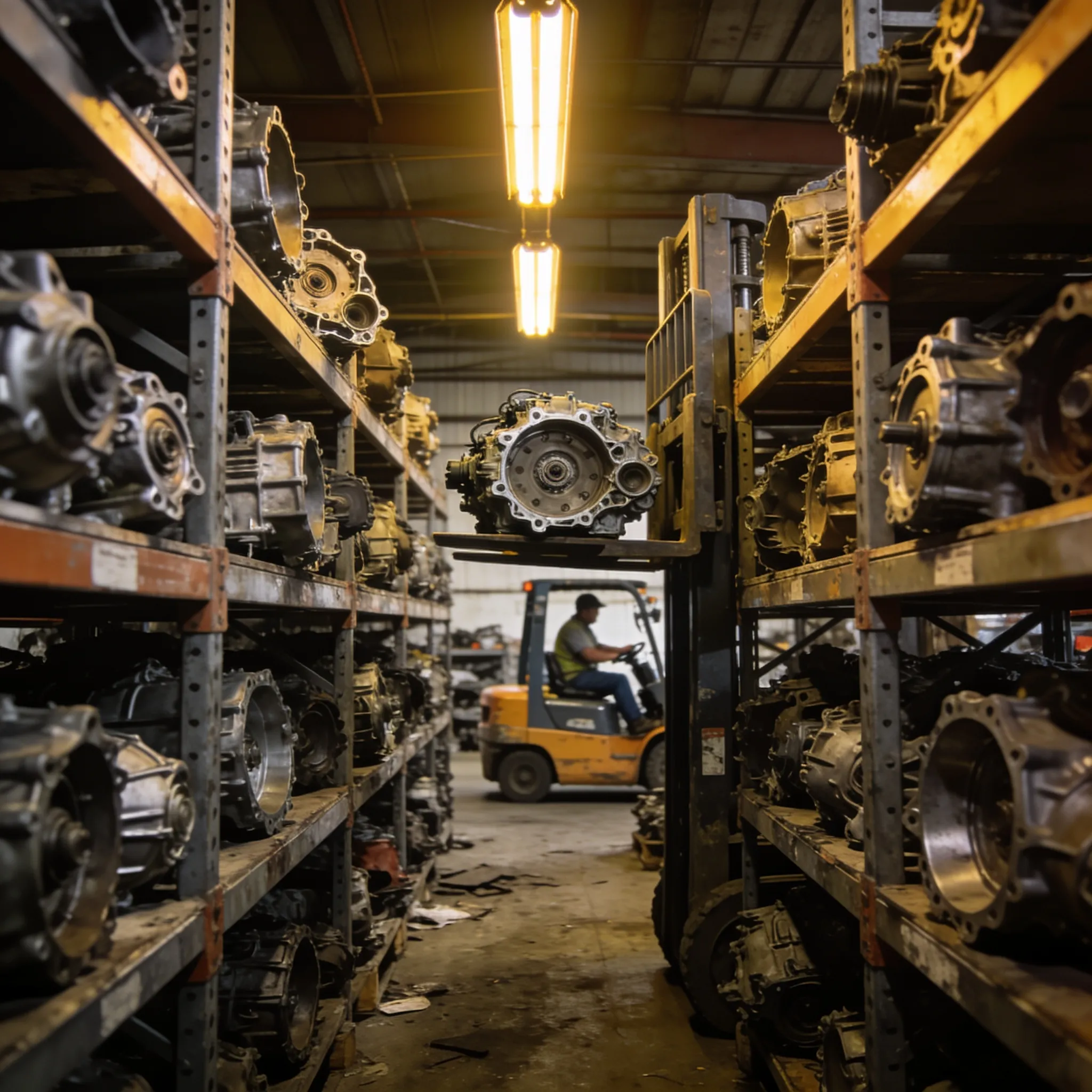
Engines and transmissions are rarely available at self-pull yards because removing them requires an engine hoist, transmission jack, and several hours of labor. These are full-service purchases by default.
Choose self-pull when the part is accessible with hand tools (alternators, starters, mirrors, lights, wheels), you can identify the correct part on an unfamiliar vehicle, and you do not need a warranty. The 30 to 50% discount adds up fast if you are sourcing multiple parts for a project.
Choose full-service when the part is expensive enough that a failure means paying labor twice (engines, transmissions, transfer cases), the part is hard to access on the donor vehicle (heater cores, some starters on V6 engines), or you need a graded and tested unit with a return window.
For a detailed breakdown, see our alternator replacement cost including labor guide. For a detailed breakdown, see our transmission replacement cost breakdown guide.
When Used Beats New (and When It Doesn't)
Used parts make financial sense for the majority of auto repairs, but not all of them. The decision comes down to three factors: the cost gap between used and new, the labor cost to install the part, and how long you need it to last.
When Used Is the Clear Winner
Engines and transmissions. A used engine at $2,470 versus $4,000 to $8,000 new or remanufactured. A used transmission at $1,400 versus $3,000 to $5,500 new. The savings run into thousands of dollars, and a Grade A or B unit from a full-service yard with a 6-month warranty carries acceptable risk for most vehicles.
Body panels and cosmetic parts. Bumpers, fenders, hoods, and mirrors from a salvage yard are OEM parts from the same manufacturer, often in a matching paint color. A used front bumper at $250 versus $400 to $800 new, with the bonus of potentially skipping the $300 to $500 paint job if the color matches.
Electrical accessories. Alternators, starters, and AC compressors are durable parts that typically outlast the vehicles they are installed on. A used alternator at $100 will run for years in most cases. A used radiator at $178 from a low-mileage donor vehicle is functionally identical to new.
When New Is Worth the Premium
Wear items. Brake pads, rotors, timing belts, serpentine belts, and filters should always be bought new. These parts have no visible way to assess remaining life, and aftermarket new pricing is competitive with or cheaper than used.
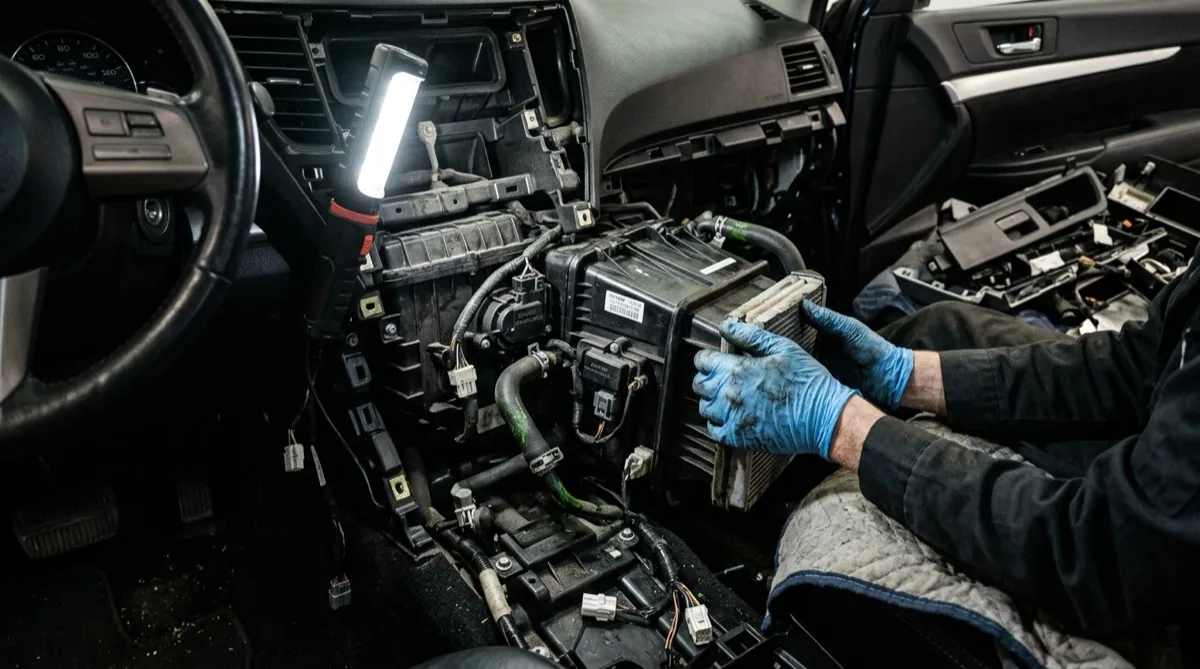
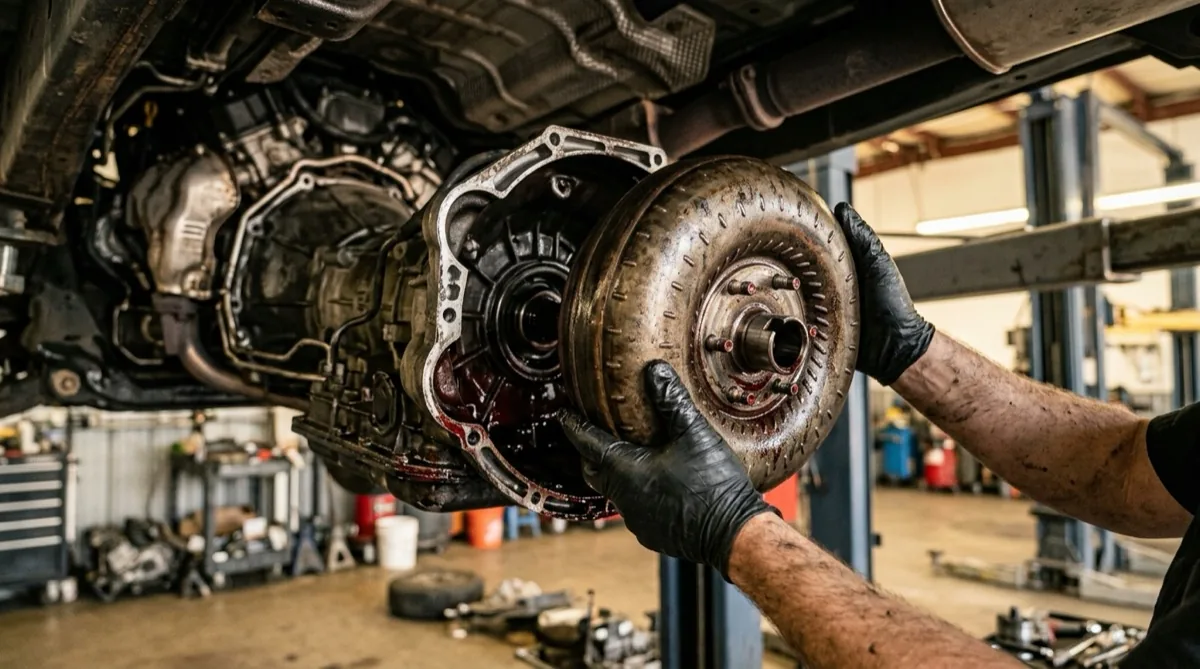
High-labor installations. When the installation labor dwarfs the part cost, a used part failure means paying that labor bill twice. Heater core replacement requires dashboard removal at $876 to $1,285 in labor. A new heater core with a full warranty is worth the extra $50 to $100 over used. The same logic applies to torque converters, where the transmission must come out regardless of part source.
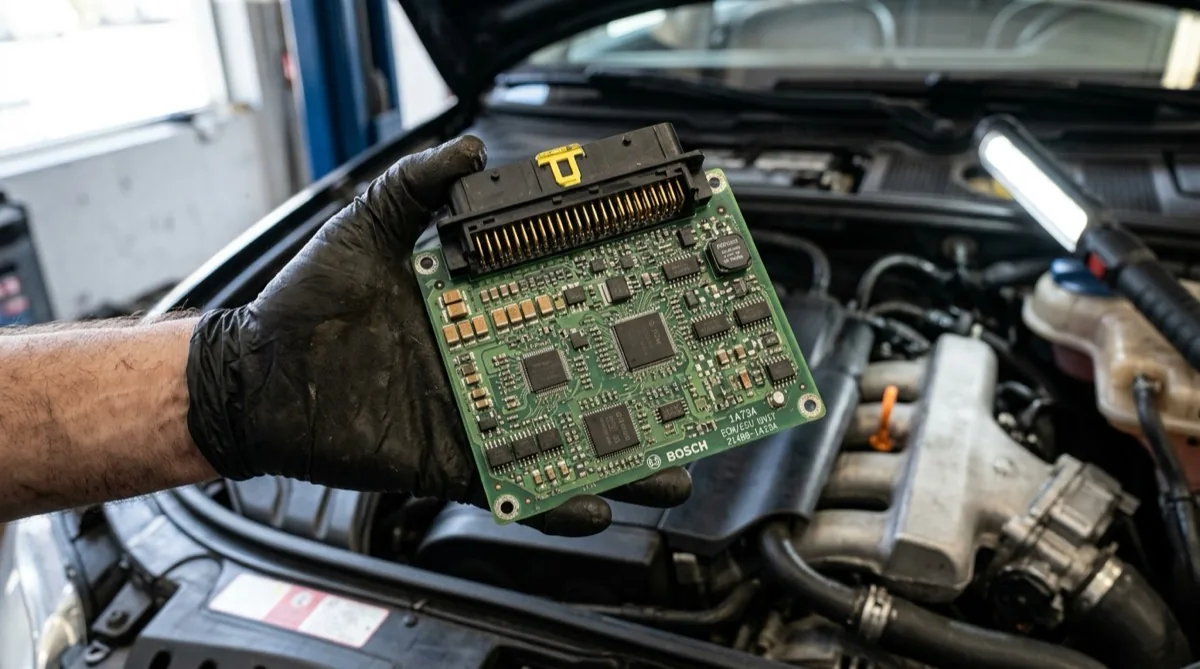
Parts requiring programming. Used engine computers and transmission control modules often need $150 to $300 in dealer programming to work in a different vehicle. That narrows the gap between used and a pre-programmed remanufactured unit. Check whether a plug-and-play option exists before buying used and paying for a flash separately.
For a detailed breakdown, see our ECM replacement cost and programming fees guide. For a detailed breakdown, see our brake caliper replacement cost guide. For a detailed breakdown, see our control arm replacement cost guide.
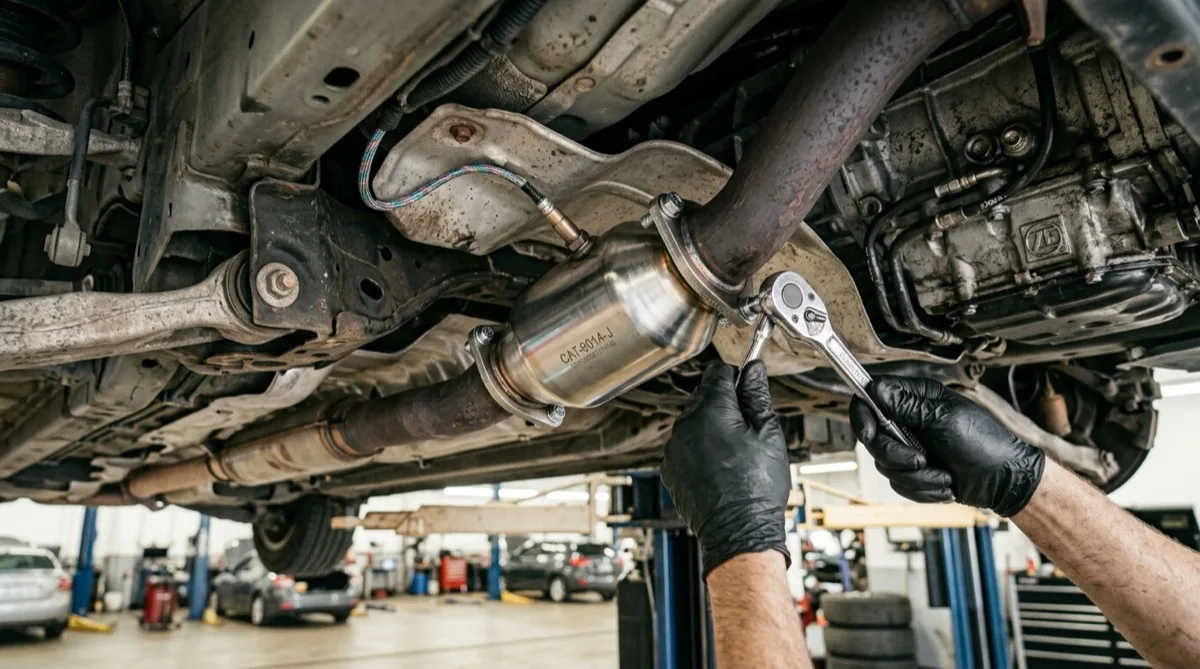
Regulated parts. Airbags cannot be legally resold in many states. Catalytic converters face increasing restrictions on used sales due to theft legislation. Catalytic converter replacement typically requires a new or CARB-compliant aftermarket unit, especially in states with strict emissions testing.
How to Inspect Used Parts Before Buying
Whether you are pulling a part yourself or evaluating one at a full-service yard counter, a basic inspection takes two minutes and prevents most returns.
Mechanical Parts (Alternators, Starters, Water Pumps)
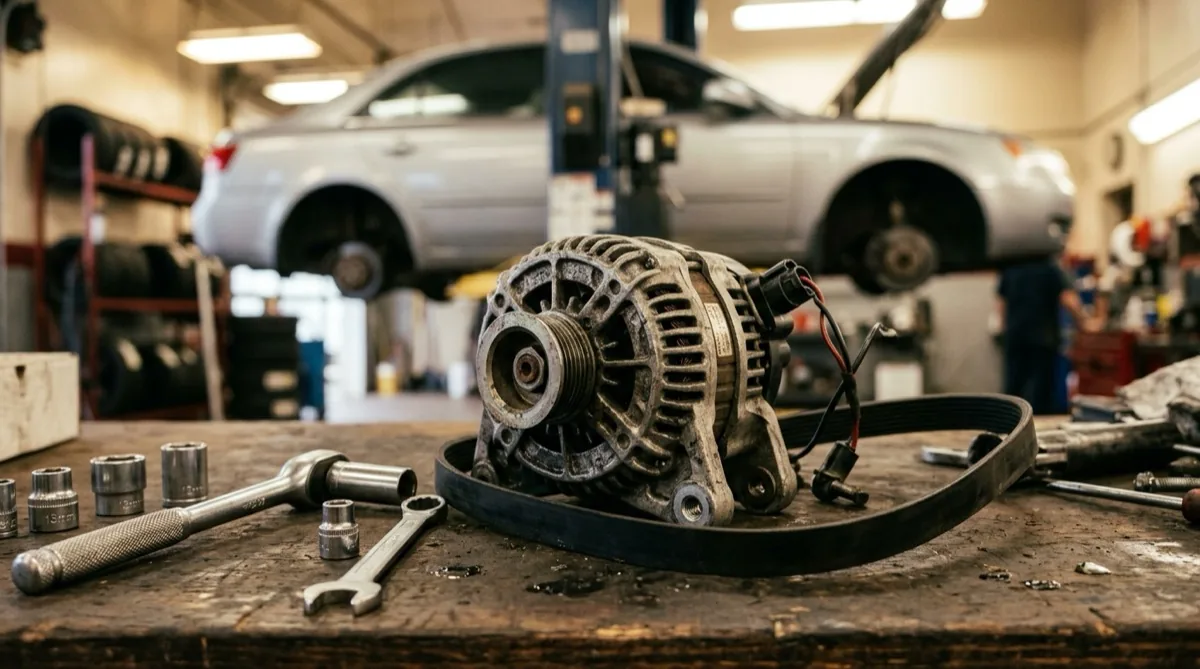
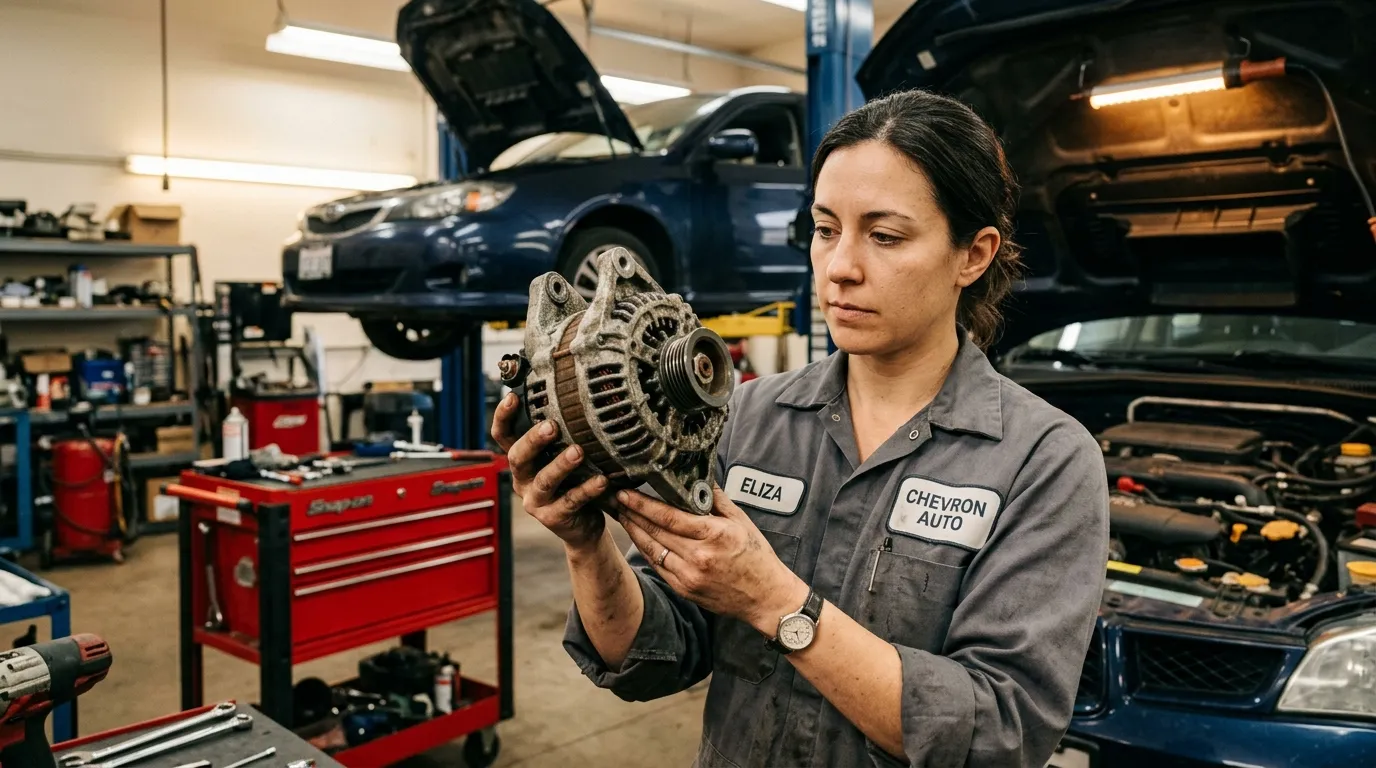
Spin the pulley or shaft by hand. It should rotate smoothly with no grinding, catching, or rough spots. Look at the wiring connector for bent, corroded, or broken pins. Check the mounting ears for cracks. If the housing shows impact damage, move on to the next donor vehicle. Electrical parts like alternators and starters can be bench-tested at most auto parts stores for free after purchase.
Cooling and Climate Parts (Radiators, AC Compressors, Heater Cores)
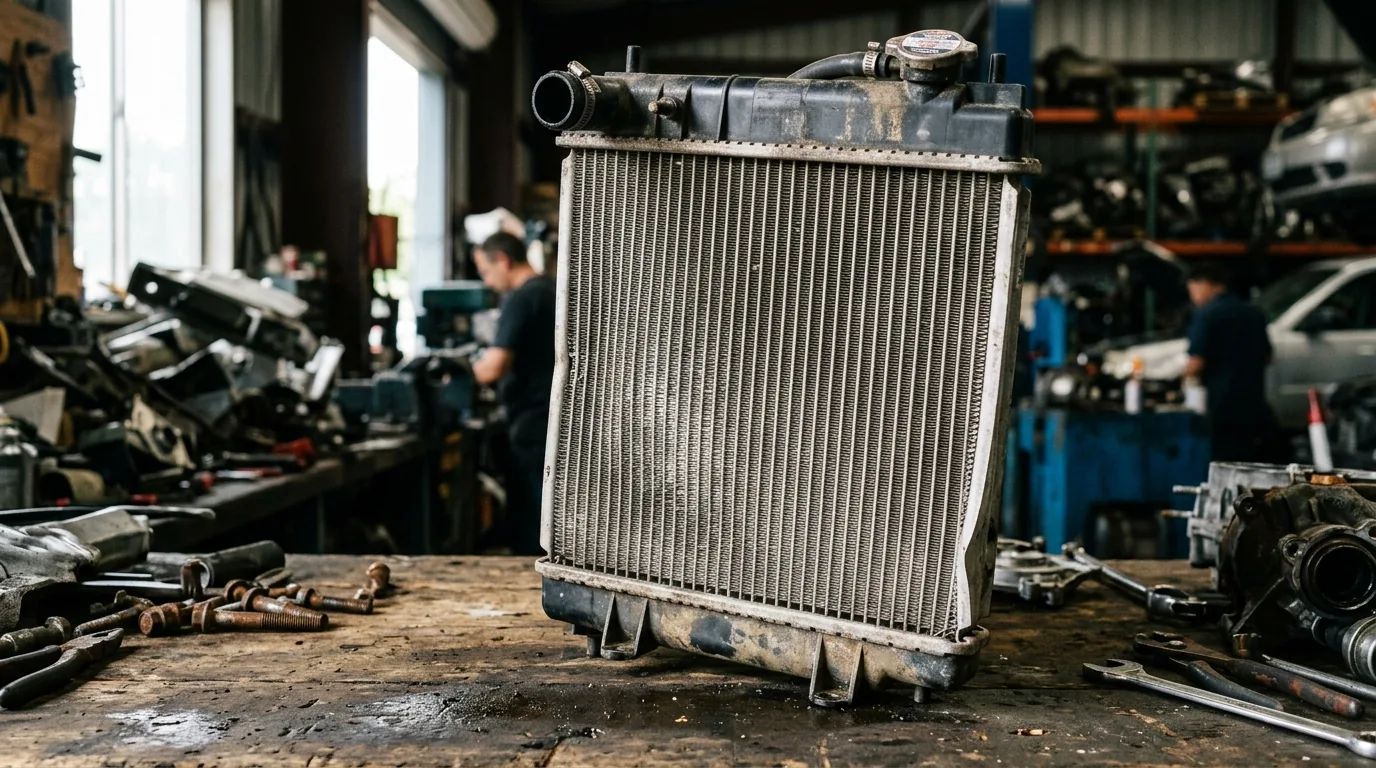
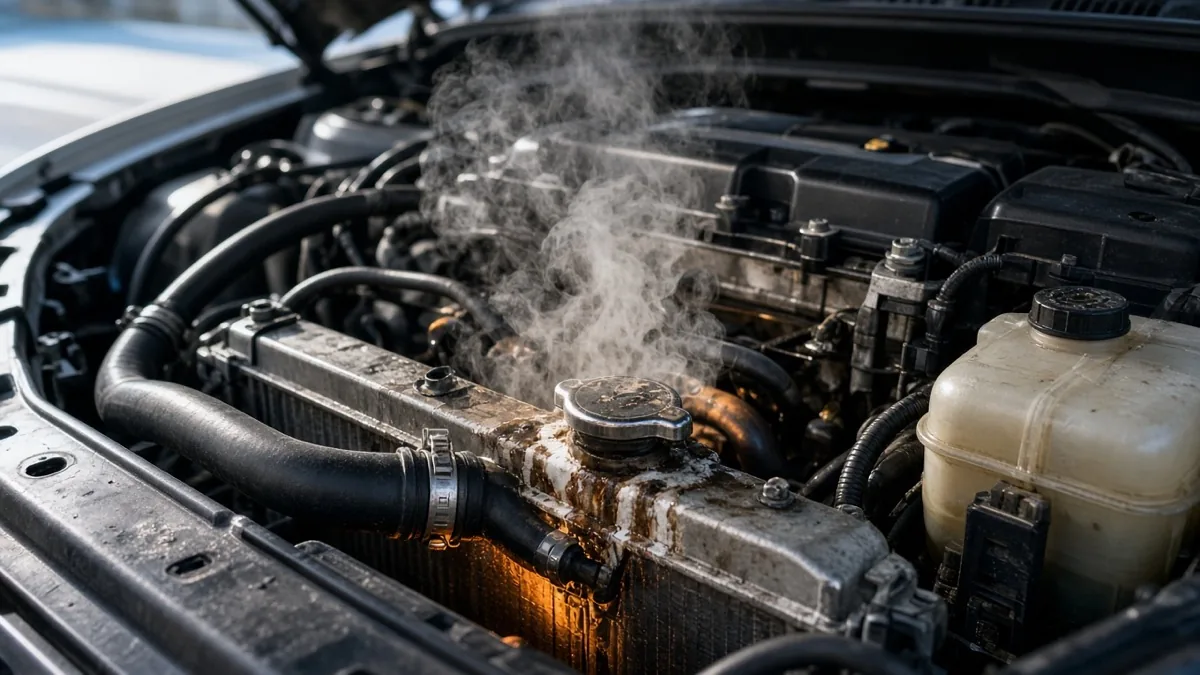
Look for dried coolant residue or oil stains around fittings and seams. These indicate past leaks that will reappear. Check the fins on radiators for crush damage that restricts airflow. On AC compressors, spin the clutch hub and listen for bearing noise. A compressor with a seized clutch is scrap, regardless of price.
Body Panels and Lighting
Check fitment tabs, mounting clips, and threaded inserts. A part that looks good but has broken mounting points will not install correctly. For headlight assemblies, confirm the lens is not crazed, clouded, or cracked. Moisture trapped inside the housing indicates a broken seal that will fog up after installation.
Engines and Transmissions
These require more than a visual inspection. Ask the yard for the donor vehicle's mileage, pull the oil filler cap and check for milky residue (head gasket failure), and inspect the oil on the dipstick for metal flake. For transmissions, check the fluid color: bright red is healthy, dark brown with a burnt smell means internal wear. Our junkyard engine buying guide and junkyard transmission buying guide cover these checks in full detail.