Torque Converter price snapshot
- Low
- $100
- Average
- $296
- High
- $755
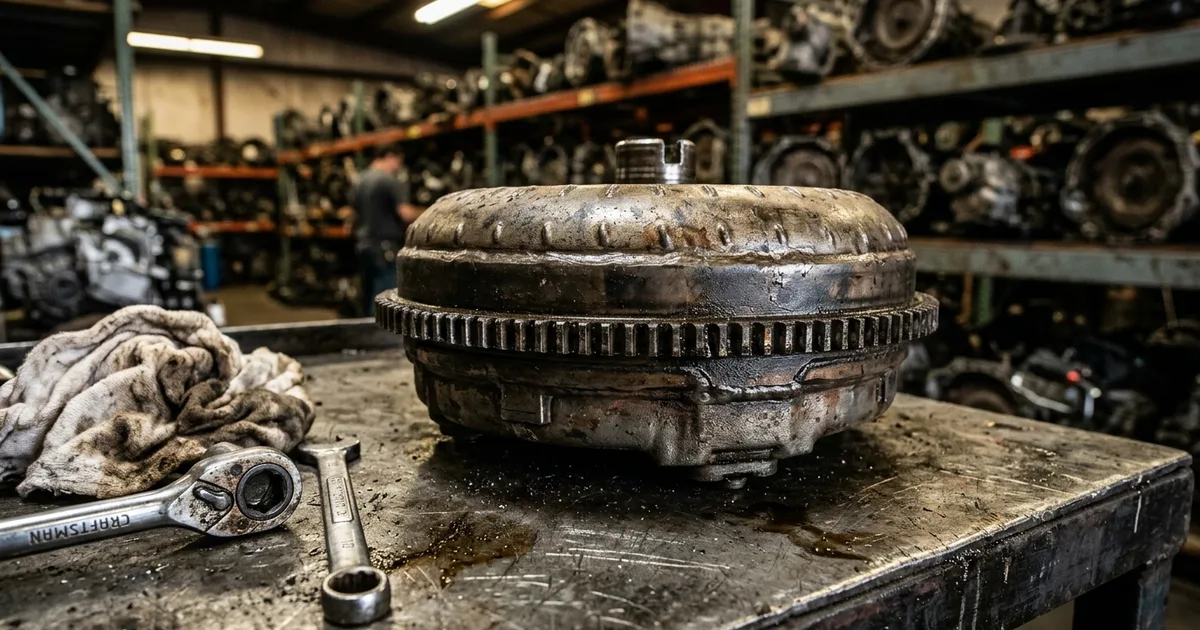
Part price guide
Also known as: Transmission Torque Converter, Torque Convertor
A used torque converter costs $100 to $755, with a median asking price of $250. Based on price data across 69 vehicle-specific guides. Prices exclude shipping, core charges, and installation.
Condition comparison
| Grade | Price range | Relative range | Listings |
|---|---|---|---|
| Grade AClean / low wear | $100–$486 | 72 | |
| Grade BStandard used | $50–$755 | 35 | |
| Grade CVisible wear | $90–$500 | 22 | |
| Grade XUngraded | $70–$700 | 45 |
Median by grade
Median asking price by seller-reported condition grade · $100–$755 overall range
Vehicle-specific reference
69 of 90 guides currently priced
Price data updating
Price data updating
Price data updating
Price data updating
Price data updating
Price data updating
Price data updating
Price data updating
Price data updating
Price data updating
Price data updating
Price data updating
Price data updating
Price data updating
Price data updating
Price data updating
Price data updating
Price data updating
Price data updating
Price data updating
Price data updating
Compare by vehicle
Keep comparing
Common questions
Across 69 vehicle-specific guides with current pricing, used torque converter guide medians run from $100 to $755, with a typical median of $250. Condition grade, mileage, and fitment move the price within that range.
Usually, yes. Buying a used torque converter from a salvage yard or auto recycler typically costs a fraction of the new torque converter replacement cost at a dealership. Compare the grade-level medians above against any replacement quote you've received, and remember our figures exclude shipping and installation labor.
Salvage yards, junkyards, pick-and-pull lots, and online used parts marketplaces all sell used torque converters. Our index tracks asking prices nationally, so you can benchmark a local quote against the market range before you buy.
Expect to pay toward the upper half of the $100–$755 range for a grade-A torque converter with low mileage. Check the grade table above for the current grade-level medians, and confirm whether shipping and any core charge are included in the quote.
They can be — condition grade is the key. Grade A parts come off low-mileage vehicles with little to no damage, grade B is average, and grade C or ungraded parts are the gamble. Buy grade A or B from a yard that offers a return window or warranty, and confirm the mileage of the donor vehicle before paying. The grade-level medians above show what each tier should cost.
Yes. A transmission torque converter is another name for a torque converter. Other common names include torque convertor. The prices on this page apply regardless of what it's called in your region or by your mechanic.
The torque converter clutch (TCC) is the internal lock-up clutch inside the torque converter that engages at cruising speed to eliminate slippage and improve fuel economy. It isn't sold or serviced as a standalone part — it's built into the sealed torque converter housing, so a failed TCC (shown by shuddering at highway speed or a TCC-related code) means replacing the whole torque converter.
A stock torque converter is calibrated for smooth, fuel-efficient daily driving with a stall speed matched to a stock engine's power curve. A stall converter is an aftermarket performance part built with a higher stall speed, letting a modified engine build more RPM (and power) before the converter locks up and transfers power to the wheels — used for racing or heavily modified engines. A used stock torque converter is the correct replacement for a factory vehicle; a stall converter is a performance modification, not a like-for-like swap.
The flexplate is the flat, toothed disc bolted to the end of the engine's crankshaft (the automatic-transmission equivalent of a flywheel) that the starter engages to crank the engine, and that bolts to the torque converter. The torque converter is the separate fluid coupling that bolts to the flexplate and connects the engine to the automatic transmission. A cracked or bent flexplate causes a distinct rattling or clunking noise and is a different — and much cheaper — part than the torque converter itself.